
Iran’s negotiators are signaling they can wait out America—because U.S. political division may be the one “concession” Tehran expects to get for free.
Story Snapshot
- Indirect U.S.-Iran nuclear talks resumed in Geneva in February 2026 with Oman mediating, after negotiations were disrupted by 2025 strikes on Iranian targets.
- Iran floated a temporary offer to drop enrichment from 60% to 3.6% and suspend enrichment for seven years, while the U.S. rejected any “sunset” limits.
- Trump’s team has emphasized permanent restrictions and “red lines,” while Iran insists enrichment is a right under the Nuclear Non-Proliferation Treaty framework.
- Publicly upbeat messaging from Iran contrasts with U.S. statements warning the talks are nearing an impasse.
Geneva Talks Return With a Familiar Pressure Point: Time
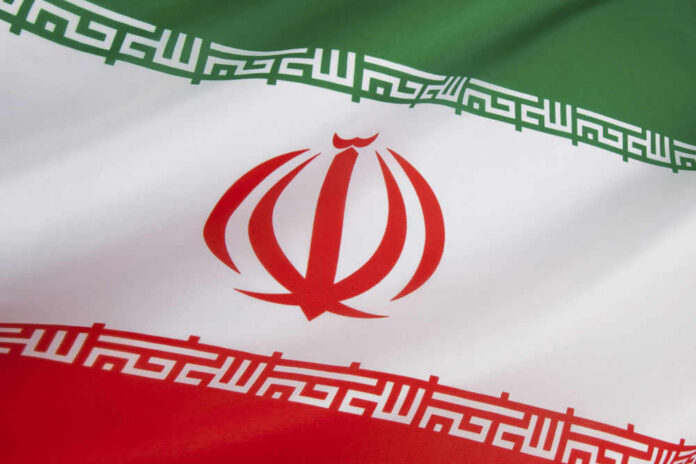
U.S. and Iranian negotiators returned to indirect talks in Geneva in February 2026, with Oman acting as mediator, after a period of heightened conflict and stalled diplomacy following 2025 strikes on Iranian nuclear, missile, and regime-linked targets. The latest round comes under the shadow of military threats and sanctions pressure. The central question is whether Tehran is offering real constraints—or simply buying time while hoping Washington’s domestic politics weaken U.S. leverage.
Iran’s proposal in the third round, reported as of February 26, centers on reducing enrichment levels from 60% down to 3.6%—a return to the 2015-era benchmark—paired with a seven-year suspension and the elimination of its 60% stockpile. That structure matters because it does not permanently dismantle the capability; it delays it. U.S. negotiators, by contrast, have pushed for permanent terms that do not expire.
Trump’s Red Lines vs. Tehran’s “Temporary” Promises
President Trump’s team has framed the talks around durable limits that prevent Iran from rebuilding its nuclear pathway once headlines fade. U.S. officials have rejected any deal resembling the JCPOA’s expiration model, emphasizing no repeat of time-limited provisions. Vice President JD Vance has publicly warned that Iran is not acknowledging U.S. red lines, while U.S. envoy Steve Witkoff has stressed a no-sunset approach in negotiations.
Iran, for its part, has described the talks as constructive and has indicated openness to technical adjustments while drawing firm boundaries around what it will discuss. Tehran has resisted expanding negotiations to cover ballistic missiles and proxy activity, even as those issues remain central to regional security concerns. Iran has also signaled interest in sanctions relief and economic openings.
Why “American Division” Becomes a Negotiating Tool
The “Iran’s last hope is American division” framing is an analytical read of the incentives visible in the current negotiating posture, not a formally declared Iranian doctrine. The logic is straightforward: if U.S. politics are fragmented, Tehran may believe Washington will struggle to maintain sustained pressure or to hold a unified line on permanent restrictions. In that environment, temporary offers can look like progress while preserving Iran’s ability to restart later.
The historical context reinforces why conservatives are wary of time-limited nuclear arrangements. The 2015 JCPOA placed constraints on enrichment with sunset clauses that critics argued would allow Iran to expand capabilities later. Trump withdrew from the deal in 2018, and Iran subsequently resumed higher enrichment, including levels up to 60%, which is close to weapons-grade territory. In 2026 talks, the dispute over “temporary vs. permanent” is the heart of the fight.
What’s Known, What’s Unclear, and What Comes Next
Public statements leave a gap between optimistic spin and hard negotiating realities. Iran has suggested “progress” and a “clearer path,” while U.S. commentary has pointed to an approaching impasse. Some reporting also notes uncertainty around the status of Iran’s enriched uranium stockpile following the 2025 strikes. With limited verified detail beyond the February rounds, the safest conclusion is that diplomacy is active but brittle, and both sides are posturing for leverage.
Iran's Last Hope Is American Divisionhttps://t.co/yaQyWQomPj
— PJ Media (@PJMedia_com) March 5, 2026
If Tehran’s offer remains temporary by design, U.S. decision-makers face a classic choice: accept a time-bound pause that reduces immediate tensions, or hold out for permanent terms that block a future breakout. Conservatives will recognize the constitutional and national-security stakes in demanding clarity and enforcement over vague promises. In a world where adversaries study America’s internal fractures, unity and durable policy matter as much as any single round of talks in Geneva.