

A physically healthy British woman traveled to Switzerland and ended her life at a private clinic—not because of terminal illness, but because of grief over her son’s death four years earlier.
Story Snapshot
- Wendy Duffy, 56, paid £10,000 to a Swiss clinic for assisted suicide after losing her son, despite having no physical illness
- Switzerland’s decades-old law allows assisted suicide for anyone with mental capacity, including foreigners and those without terminal diagnoses
- Private organizations operate with minimal oversight, requiring only that assistance not be motivated by selfish reasons
- The case highlights the expansion of assisted suicide beyond terminally ill patients to include mental suffering from grief
Grief-Stricken Mother Chooses Death Over Life
Wendy Duffy, a 56-year-old former care worker from Britain, sought assisted suicide at a Swiss clinic after enduring four years of unbearable grief following her son’s death. Duffy previously attempted to take her own life and nearly entered a vegetative state. Despite being physically healthy and mentally competent, she received approval from a Swiss organization and paid £10,000 for the procedure. Her case represents a troubling expansion of assisted dying beyond the terminally ill to encompass individuals suffering from mental anguish alone.
Switzerland’s Unregulated System Enables Suicide Tourism
Switzerland legalized assisted suicide in 1941 under Article 115 of its Criminal Code, which prohibits assistance only when motivated by selfish reasons. This makes Switzerland the first country worldwide to permit the practice, and it remains largely unregulated. No physician approval is required, and the law applies to both Swiss citizens and foreigners. Private nonprofit organizations like Pegasos emerged in the 1980s to facilitate these procedures, charging thousands of dollars and attracting what critics call suicide tourism. In 2014 alone, 752 people died through assisted suicide in Switzerland, many of them foreigners traveling specifically for this purpose.
Private Clinics Operate Without Government Programs
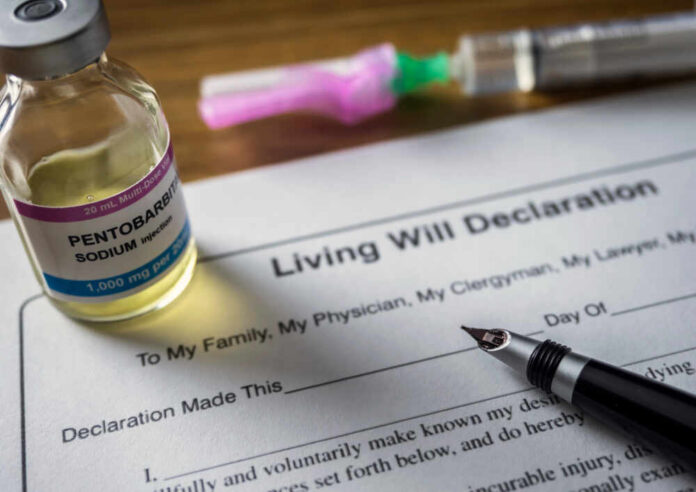
Contrary to sensationalized headlines, Switzerland does not operate a state-run assisted suicide program. Private organizations fill the void left by minimal government oversight, providing services to anyone over 18 who demonstrates mental capacity. These groups prescribe lethal drugs like phenobarbitone sodium, which individuals must self-administer—active euthanasia where another person administers the fatal dose remains illegal under Article 114. Police conduct inquiries after each death but rarely prosecute when assistance appears altruistic. This hands-off approach has enabled organizations to operate with broad discretion, raising questions about safeguards for vulnerable individuals experiencing temporary mental health crises.
Mental Suffering Cases Raise Slippery Slope Concerns
The Swiss Medical Association acknowledges that assisted suicide is legally permissible for healthy individuals with mental capacity, but stresses that gaps in palliative care may drive people toward death prematurely. Duffy’s case exemplifies concerns about the slippery slope from terminal illness to mental suffering as justification for ending life. Unlike countries that restrict assisted dying to those with terminal diagnoses, Switzerland’s law imposes no such limitation. This creates a system where grief, depression, or other psychological conditions can qualify someone for death, particularly troubling given that mental health conditions often improve with proper treatment and support that many argue should be exhausted first.
A System That Prioritizes Choice Over Protection
Switzerland’s approach separates assisted dying from traditional medical practice, treating it as a personal choice rather than a medical intervention. Organizations like Pegasos promote what they call Voluntary Assisted Dying as rational decision-making, yet charge substantial fees that raise questions about financial motives. The system enables foreigners to circumvent protections in their home countries, where stricter criteria typically require terminal illness, unbearable physical suffering, and exhaustive alternatives. For Americans who value both individual liberty and protection of vulnerable lives, Switzerland’s model presents a cautionary tale about what happens when autonomy operates without robust safeguards. The tragic case of a grieving mother choosing death over healing underscores how such systems can facilitate permanent solutions to potentially temporary problems.
Sources:
Assisted Suicide in Switzerland – National Center for Biotechnology Information
Assisted Dying in Switzerland – Final Exit Network
Assisted Suicide – Swiss Academy of Medical Sciences
Betty Rollin’s Assisted Death: Unanswered Questions – The Hastings Center