
Students DEFY Trump: Massive Walkouts Over ICE
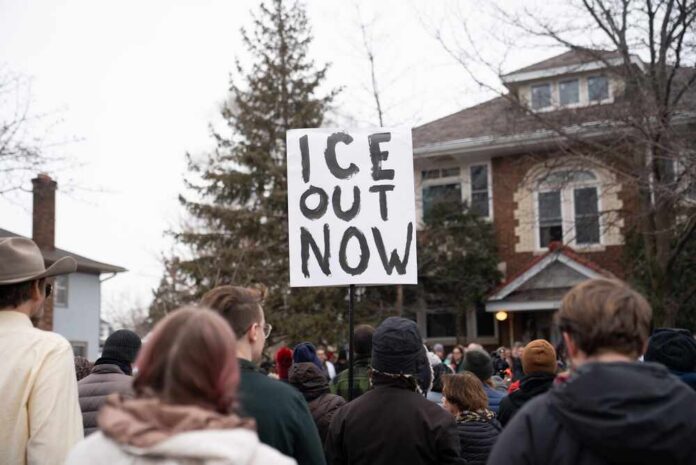
Student “ICE Out” walkouts are colliding with school attendance rules and federal immigration enforcement—turning classrooms into the next front line of America’s immigration fight.
Story Snapshot
- Student-led “National Shutdown/ICE Out” walkouts on Jan. 30, 2026 spread nationally after organizers pushed protests online and through campus networks.
- The protests were driven by outrage over reported fatal incidents involving ICE and CBP in Minnesota and by opposition to expanded enforcement under President Trump.
- School districts are balancing safety supervision, attendance requirements, and political pressure as walkouts continue into early February.
- The NEA moved in court to restore “sensitive location” limits on enforcement near schools, arguing ICE activity is disrupting learning and creating fear.
How a Minnesota flashpoint sparked a national student walkout
Organizers tied the Jan. 30 protests to Minnesota incidents that became rallying points, including the reported killing of Renée Good by ICE agents on Jan. 7 and the killing of Alex Pretti by CBP agents on Jan. 24. University-linked groups and student unions then elevated demands that ranged from withdrawing ICE operations in certain states to prosecuting agents and even abolishing ICE altogether. Social media helped move the message from campuses into middle and high schools.
Multiple cities saw walkouts and follow-on demonstrations after Jan. 30, with additional actions reported on Jan. 31. Organizers and allied groups promoted “ICE Out of Everywhere” events and claimed large turnout in Minneapolis, though national participation totals remain hard to verify from the available reporting. What is clear is the pattern: decentralized student action, rapid online amplification, and school administrators forced to respond in real time as minors leave class for political protests.
Student ‘ICE Out’ Protests Go Viral Across US – Now Schools are Taking Action https://t.co/pQ1iV9B2UZ
— DLW 🔥#MAGA (@Dlw20161950) February 21, 2026
Schools face a practical problem: safety, supervision, and attendance compliance
District leaders have focused on the immediate operational question—how to keep students safe if they leave campus—while also tracking attendance and unexcused absences. Reporting on school responses shows administrators emphasizing supervision and order rather than endorsing a political viewpoint. At the same time, state-level consequences have entered the picture, including threats of sanctions tied to unexcused absences in Texas, where walkouts continued after Jan. 30 in places such as Pflugerville and Maricopa-area schools.
Those enforcement-oriented responses reflect a broader conservative argument: public schools exist to educate, not to facilitate what critics describe as “protest field trips” that vilify law enforcement. Yet the available reporting also indicates a genuine management challenge for schools that do not want confrontations at doors, parking lots, or nearby intersections. Even when a district aims to remain neutral, walkouts can force staff to choose between strict discipline and basic crowd-control steps to prevent injuries and liability.
The “sensitive locations” fight returns as the NEA heads to court
A major driver of anxiety around these protests is the policy backdrop: “sensitive location” limits that once discouraged enforcement actions near schools and churches were withdrawn in 2025, and the change is now central to the education establishment’s legal strategy. The National Education Association filed an emergency motion seeking to stop enforcement near schools, citing accounts from educators who say immigration activity is disrupting classrooms and intimidating students and families.
The legal push underscores how quickly an immigration policy dispute becomes a constitutional-and-governance dispute once it touches schools. The research shows two competing claims that remain in tension: educators and union leaders say learning is being disrupted by fear, while federal authorities retain a mandate to enforce immigration law. The available sources do not resolve where courts will draw the line, but they do confirm the issue is no longer hypothetical—it is already shaping school operations and student behavior.
What happens next: continued walkouts, political escalation, and limited hard numbers
As of early February 2026, the protests appear decentralized but persistent, with periodic walkouts and demonstrations continuing beyond the original “National Shutdown” date. The research also indicates the broader labor-stoppage ambition did not fully materialize nationwide, even as student participation remained visible and viral. That gap matters because it suggests the movement’s most reliable engine is youth mobilization through schools, not sustained economic shutdown.
For conservative parents, the key takeaway is straightforward: when politics moves into K-12 buildings, the fight shifts from policy debate to supervision, discipline, and whether schools can keep their core mission intact. The sources available here document real walkouts, real administrative responses, and real legal maneuvering—but they also show limitations in verified national turnout figures. Until clearer data emerges, the best-read signal is the institutional response: courts, unions, and state agencies are now actively shaping the boundaries.
Sources:
January 30, 2026 protests against ICE
2026 U.S. immigration enforcement protests
Free-Speech Debates Resurface With Student Walkouts Over ICE Raids
NEA Files Emergency Motion to Stop ICE Enforcement Near Schools
Protest season: Operation Metro Surge timeline in Minnesota and at the UMN