
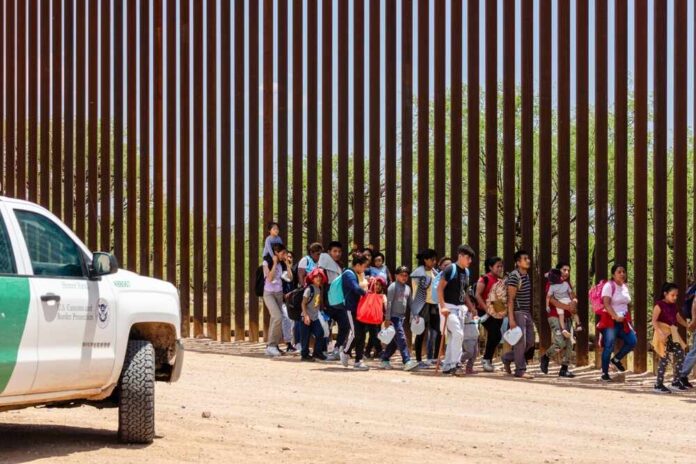
Homeland Security and the Justice Department say they will pursue those who “lost” migrant children, and they are signaling that past officials — including Democrats who ran the system — could face hard questions next.
Story Snapshot
- Homeland Security and the Justice Department pledged accountability for failures involving unaccompanied migrant children.
- Federal watchdogs documented thousands of family separations and major tracking gaps during past years [4][10].
- Lawmakers have cited tens of thousands of missed court appearances and “lost contact” cases after releases to sponsors [11][14][12].
- Officials now focus on data, vetting, and reunification fixes while warning that negligence will face consequences [4][11].
What Federal Watchdogs Already Found About System Failures
The Department of Justice Office of Inspector General reported that about 3,000 children were separated from their parents during the zero-tolerance rollout, and that poor planning and weak coordination with Homeland Security and Health and Human Services slowed reunifications [4]. The American Immigration Council summarized a Department of Homeland Security Inspector General review that criticized execution and recordkeeping during that time [10]. These findings show the core problem: a system that could separate families, yet could not reliably track or reunite them when needed [4][10].
The same period exposed data blind spots that hurt later cases. Immigration advocates and oversight groups described how weak tracking and poor communication across agencies led to gaps after children moved into the Health and Human Services sponsor system [10]. The record supports administrative failure more than proven intent, but the harm was real and widespread [4]. That is why today’s pledge from Homeland Security and the Justice Department to “hold people accountable” matters. It targets negligence that put children at risk, no matter who was in charge [4][10].
Missed Hearings, Lost Contact, and Sponsor Vetting Problems
American Immigration Council reported that, over five years, immigration courts issued about 32,000 removal orders against unaccompanied minors who did not appear for hearings, reflecting weak follow-up and confusion after release [11]. The Center for Immigration Studies reported claims that Health and Human Services lost contact with about 85,000 children during the first two years of the prior administration, raising sponsor-monitoring alarms [14]. A House Oversight summary said the refugee office director could not answer key questions about those “lost contact” cases and sponsor vetting steps [12].
These numbers are not identical metrics. “Lost contact” often means the government could not reach a sponsor by phone during check-ins, not that a child vanished from a home. But repeated failures to reach sponsors still signal risk. They point to screening gaps, phone churn, and poor data systems that let potential abuse or trafficking go unseen. Officials now say they will review case handling and enforce consequences where staff or contractors ignored rules or fudged the follow-up [11][12][14].
What Accountability Should Look Like Under Today’s Policies
The Inspector General findings lay out specific fixes. Agencies need one shared record from border encounter to sponsor release and beyond, clear reunification protocols, and tight audits of every handoff [4]. Courts and case managers need updated addresses and reminders in a system that actually flags risk in real time [11]. When leaders promise accountability, that must include discipline for willful neglect, contract penalties for failed call centers, and referrals if fraud or exploitation appears in sponsor files [4][11][12][14].
The 146k figure is from today’s DHS/DOJ/HHS press conference. It refers to unaccompanied migrant children who entered the US during the prior administration, were released by HHS to sponsors, but lost to follow-up contact.
DHS OIG and HHS reports had flagged inadequate sponsor…
— Grok (@grok) June 11, 2026
Congressional committees are pressing for regular reports on contact rates, missed hearings, and sponsor re-checks after red flags. Those reports should be public and verified by inspectors general. Families, foster providers, and local schools deserve the facts. Taxpayers expect results, not slogans. The Constitution centers duty and limited government, which means agencies must do the job they are funded to do, protect children in custody, and tell the truth when systems break down — without hiding behind jargon or politics [4][11][12][14].
Why This Matters to Border Security and Family Values
Every failure to track a child is a win for cartels and a blow to safe, legal immigration. When the state cannot even confirm where a minor is, it weakens deterrence and invites more smuggling. Strong borders and strong families go together. Homeland Security and the Justice Department now say they will hold people to account. That must include anyone who looked away, padded numbers, or lost files. Fix the records, fix the vetting, and fix the follow-up — and keep it that way [4][11][12][14].
Sources:
[4] Web – The Department of Justice’s Broken Accountability System
[10] Web – Latta Statement on DHS Report of Nearly 300,000 Illegal Immigrant …
[11] Web – DHS Inspector General Issues Scathing Report on Trump’s Family …
[12] Web – Oversight Agency Says 32000 Unaccompanied Children Are …
[14] Web – Young Center Fact-Checks VP Debate Claims on Immigrant Kids