
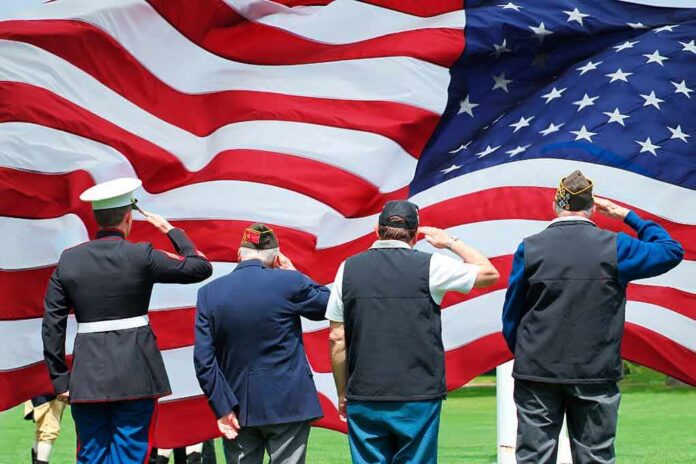
A new poll finds that most American veterans see government shutdowns as a direct danger to national security and to those who served.
Story Snapshot
- Nearly eight in ten veterans say shutdowns hurt U.S. national security and military readiness.
- Veterans report real harm to benefits, pay, and support services when Washington plays shutdown games.
- Most veterans and voters want Congress forced to keep the government open while they fight over budgets.
- Shutdowns cost taxpayers billions, weaken readiness, and undermine trust in the federal government.
Veterans Warn Shutdowns Put National Security at Risk
New veteran polling shows strong agreement that government shutdowns are not harmless political stunts but real threats to national security. One survey from a veterans advocacy group reports that about 77 percent of veterans and 78 percent of military family members believe shutdowns are harmful to national security. These are Americans who have worn the uniform and seen up close what happens when training, planning, and support are disrupted by politics.
The same poll finds that shutdowns are seen as harmful to veterans themselves, with 72 percent of veterans and 78 percent of military family members saying shutdowns are bad for veterans. That concern is echoed in news coverage from past shutdowns, where veterans described confusion and fear as benefits offices went dark and support programs paused. When Congress fails to pass spending bills, mission-focused veterans see it not as routine drama, but as a direct hit on those who defended the country.
How Shutdowns Hit Veterans, Military Families, and Readiness
Veterans groups and government guidance describe a mixed picture during shutdowns: core health care and compensation usually continue, but many vital support functions do not. The Department of Veterans Affairs keeps hospitals open and continues medical care, burials, and benefits processing. Yet outreach, in-person regional office services, career counseling, and transition programs often stop, leaving many veterans without help when they need to change jobs, file claims, or get answers on complex paperwork.
Active-duty military service members stay on the job during shutdowns but often do so without pay until the government reopens. That strains families already dealing with deployments and high costs of living. Past shutdowns led to spikes in visits to military food banks and growing dependence on private charities as paychecks were delayed. Federal reports also show broad damage to national security functions, with shutdowns curtailing civil servants’ ability to manage threats, conduct research, and support military operations. These practical effects match what veterans are saying in polls: shutdowns weaken readiness, morale, and trust.
Shutdowns Cost Taxpayers More and Undermine Conservative Priorities
For fiscal conservatives who want responsible spending, shutdowns are also bad business. A Senate investigative report found that the last three major shutdowns cost taxpayers nearly four billion dollars, including at least 3.7 billion dollars in back pay to furloughed workers and hundreds of millions in other expenses. Nonpartisan budget experts note that shutdowns typically cost more money than they save, turning supposed “tough talk” on spending into yet another bill pushed onto taxpayers. The U.S. Chamber of Commerce has warned that shutdowns are harmful to the economy, the American people, and national security.
These fights are now common. Since 1980, funding gaps have repeatedly led to shutdowns under both parties. Analysts describe shutdowns as products of extreme brinkmanship, where lawmakers hold key functions hostage to force policy wins. Veterans and voters are pushing back. One poll shows 80 percent of registered voters support the “Prevent Government Shutdowns Act,” which would require Congress to keep the government operating and stay in Washington until a budget deal is reached. In the veteran survey, support for this kind of requirement reaches roughly nine in ten respondents. That is a broad call, aligned with conservative values, for duty over drama.
Veterans Back Strong Defense, But Reject Political Chaos
Polls over the last decade have shown veterans more likely than the general public to support strong defense and to back leaders who prioritize military readiness. At the same time, newer surveys reveal that younger Iraq and Afghanistan veterans are deeply unhappy when national security is mixed with careless handling of sensitive information or cuts to core programs. This generation has lived through repeated shutdowns, long wars, and budget showdowns, and they are clear that political games in Washington hurt the force and the families behind it.
Veteran organizations now warn Congress directly to “resist the pull of political brinkmanship” and avoid shutdowns that disrupt key programs. They stress that while pensions and basic medical care usually continue, hotlines, benefits offices, and key prevention programs can be put at risk when funding lapses. For conservative readers who care about a strong military, secure borders, and respect for veterans, these voices carry weight. The message is simple and grounded in experience: keep the government open, fund the core missions, and stop using our national security and our veterans as pawns in budget fights.
Sources:
military.com, cv4a.org, armytimes.com, yougov.com, pewsocialtrends.org, armedservices.house.gov, americansforprosperity.org, youtube.com, congress.gov, dspa.ul.edu.lb, brookings.edu, ncsl.org, ustravel.org