
After nine days underground, rescuers pulled two hydropower workers alive from a Nepal tunnel, proving persistence can beat disaster.
Story Snapshot
- Two workers were rescued alive from a mud-choked tunnel nine days after Nepal’s floods.
- Nepal’s government and army led nonstop tunnel operations across several hydropower sites.
- Officials called rescuing trapped workers the highest priority as teams drilled and pumped mud.
- Early counts of missing and trapped varied as crews confirmed conditions at each tunnel.
Rare Rescue After Days Underground
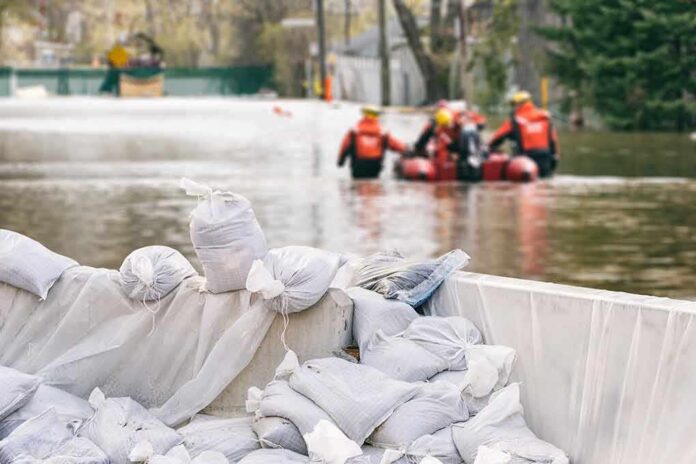
Rescue teams in Nepal pulled two workers alive from a blocked hydropower tunnel nine days after flash floods buried key project sites in mud and debris. The operation followed a grinding effort to reach sealed chambers where people were feared trapped. Crews broke into higher sections of the tunnel, pumped air, and used drilling machines to dig down through compacted sludge. The rescue offered a rare moment of hope after days of grim news from the Trishuli corridor and nearby river valleys.
Nepal’s Energy, Water Resources and Irrigation Minister Biraj Bhakta Shrestha said saving workers trapped inside hydropower facilities was the “highest priority,” underscoring the national focus on tunnel sites at several projects. Reuters reported authorities stepped up operations across multiple locations, with teams working around the clock to reach blocked galleries and underground power houses. The push drew on engineers, heavy equipment, and safety teams trained for confined-space operations in unstable, waterlogged terrain.
Government And Army Lead Multi-Site Operations
The prime minister’s office and Nepal Army provided frequent updates as forces fanned out to hydropower corridors hit by the flood surge. The army said teams worked under risky conditions, moving people out where paths opened and clearing mud to restore access. The Associated Press reported that Nepal Army units, supported by foreign experts, operated at several damaged projects at once, coordinating pumps, excavators, and tunnel checks. The multi-pronged approach sought any survivable pockets while stabilizing sites for longer searches.
Rescuers used step-by-step methods to reach interior chambers. The Straits Times described crews breaking into an upper tunnel segment, sending in air, and then advancing with drilling and excavator work. Officials described efforts to clear water, mud, and sediment that filled galleries, often to the ceiling. Those steps aimed to open safe entry points, improve air quality, and push deeper without triggering new collapses. Progress was slow because each meter cleared had to be checked for structural risk and fresh inflow.
Unstable Counts In A Fast-Moving Disaster
Early totals of who was trapped or missing shifted as teams verified conditions at each site. Reports ranged widely, with some listing dozens in specific tunnels and others tallying hundreds missing across corridors. At least one presumed entrapment location was later found empty after a drone scan, highlighting how initial reports can conflate surface missing with underground trapping. Officials continued reconciling site rosters with rescues and field checks as access improved and river levels changed.
JUST IN – Two people have been pulled out alive from a hydropower tunnel in Nepal nine days after deadly flash floods buried the projects in deep mud and left them trapped — video#NepalFloods #Nepal #Floods #RescueOperation #Rescue #NepalDisaster #Hydropower #BreakingNews… https://t.co/4EsyIBxW4y pic.twitter.com/ryAt9Cp28x
— Indian Observer (@ag_Journalist) September 4, 2026
This flood fits a pattern that experts have flagged for years: run-of-river hydropower projects sit in the path of monsoon hazards, and extreme events have damaged many facilities and endangered workers before. That history explains the scale of the current response and the focus on tunnels, where debris can seal exits and turn galleries into dangerous chambers. As Nepal clears mud and restores power, agencies and companies face renewed pressure to harden sites and improve early warnings before the next surge.
Sources:
youtube.com, english.onlinekhabar.com, bbc.com, dtnext.in, abcnepal.tv, whalesbook.com