
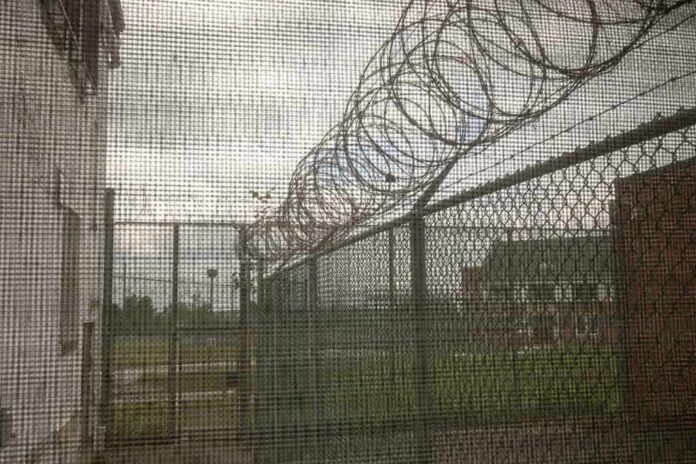
A convicted Bronx man is suing New York City for $1 million after he says he slipped in a Rikers shower with no safety mats, raising fresh questions about basic care inside the jail.
Story Snapshot
- The lawsuit claims a missing shower mat caused a fall and elbow injury at Rikers.
- Medical notes reportedly show only left-elbow pain, not the wide injuries the petition lists.
- New York City jail standards require clean showers but do not mandate mats.
- Courts have rejected similar constitutional claims over water and missing mats, leaving negligence as the key issue.
What the Lawsuit Says Happened at Rikers
The court filing, as reported, says River Jones slipped in December 2025 while showering at the George R. Vierno Detention Center on Rikers Island. The petition blames the City and prison for not having mats on the shower floor. The report says a doctor recorded elbow pain after a shower fall and that Jones had elbow surgery and was discharged without problems. These are specific claims a court can test with facility logs, medical records, and any available photos or video.
The medical account quoted in the report does not match the broader injury list in the petition. The physician reportedly noted left-elbow pain and no head trauma or loss of consciousness, while the filing claims injuries to the head, neck, face, and whole body. That gap matters. Juries often weigh medical notes made close to the event more heavily than later, sweeping claims. It also affects damages. A $1 million demand must connect to documented harm.
What New York City Standards and Courts Say
New York City jail standards require daily access to showers with hot and cold water and say the shower area must be cleaned at least once a week. The cited rule does not state that shower mats are required. In a separate Rikers case, a federal court said that standing water and the lack of mats did not make a constitutional claim. The court explained that negligence alone is not enough under federal civil rights law. That pushes this fight toward state-law negligence.
Negligence cases often turn on notice. The key question is whether the City created or knew about a dangerous condition and failed to fix it in time. The public report on this case does not show prior complaints or logs about missing mats in that shower. It also does not describe witnesses, video, or measurements of the floor’s slip resistance. Without proof of notice and causation, many slip-and-fall claims fail, inside and outside jails.
Why This Case Taps Broader Frustration
People across the aisle see a pattern: big systems failing at simple duties while lawyers argue over blame. Taxpayers ask why basic safety gear is not standard in high-risk spots. Families of inmates ask why routine hazards persist behind bars. Many also worry that headlines focus on a person’s worst act, not on whether the facility did its job that day. The City has said health and safety are top priorities and that showers are cleaned daily, but that promise faces hard tests in older, crowded buildings.
Past inmate slip-and-fall cases show mixed outcomes. Some constitutional claims get tossed, yet some negligence claims or disputes lead to settlements after discovery and jury selection. One Rikers slip-and-fall case reportedly settled for $300,000 years ago, underscoring that facts uncovered later can drive results even without a public ruling. For Jones, the path likely runs through records: inspection logs, incident reports, any video, and full medical files. Facts, not labels, will decide this claim.
What to Watch Next in the Legal Process
Expect defense lawyers to press on notice: who knew what, and when. They may seek maintenance logs, work orders, and any inmate grievances about that shower. They may also question the cause of the fall and the need for surgery if the floor met normal standards. Jones’s team will likely push for records, witness statements, and technical testing of the shower surface to show a real hazard at the time of the fall.
The bigger test is trust. If a jail cannot prove it keeps common spaces reasonably safe, public faith drops further. If a plaintiff’s claims do not line up with medical notes, confidence drops, too. This is why clear evidence matters. New York City owes safe, clean, and working facilities to everyone in custody. Taxpayers deserve proof that those duties are met. This case will measure whether that promise holds up in court.
Sources:
nypost.com, ground.news, nycourts.gov