

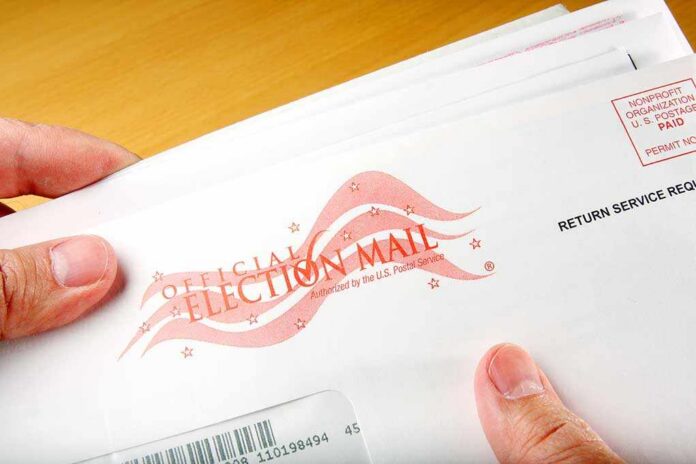
Federal investigators confirmed a wave of suspicious letters with unknown powder sent to election and congressional offices just weeks before the midterms.
Story Snapshot
- The Federal Bureau of Investigation (FBI) is probing suspicious mailings to election and congressional offices, some with unknown powder.
- State officials in Louisiana, Oklahoma, and Ohio reported evacuations or intercepted mail tied to the letters.
- The U.S. Postal Inspection Service and U.S. Capitol Police are assisting the investigation.
- Officials warned staff to treat the letters as potentially hazardous while testing proceeds.
What Federal Authorities Confirmed
The Federal Bureau of Investigation said it is investigating a series of suspicious mailings sent to Secretary of State offices and related election offices nationwide. The bureau stated that some letters contained an unknown substance. The timing comes weeks before the midterm elections. The FBI did not release a full list of locations or a final count. The bureau said agents are working with partners to identify those responsible and to test the substance found in some envelopes.
The U.S. Postal Inspection Service and the U.S. Capitol Police joined the investigation. Postal inspectors said some letters were intercepted before delivery. Congressional security offices issued notices to treat the mail as potentially hazardous. This coordination shows how mail safety crosses federal lines. Postal inspectors handle the mail stream. The FBI leads on criminal and threat issues. The Capitol Police secure Congress and its staff on Capitol Hill.
Incidents Reported by State and Congressional Offices
Louisiana’s Secretary of State office in Baton Rouge evacuated after staff found white powder in a letter. Oklahoma election officials reported a similar evacuation at a local office. Ohio’s Secretary of State said the U.S. Postal Service intercepted a letter with a powdery substance before it reached his office. These events prompted safety steps but did not halt statewide election operations. Officials said they followed hazardous mail protocols during each response.
Congressional offices also received suspicious letters around the same time. Security leaders for the Senate and House sent guidance to treat any such mail as a possible hazard. Staff were told to isolate the items, avoid handling, and call security teams at once. Those steps mirror federal training developed after past mail attacks. Early reports indicated multiple lawmakers’ offices were among the targets, with some items stopped before delivery.
What We Know, What We Do Not
Authorities have not released the chemical identity of the powder found in some envelopes. NBC News, citing law enforcement sources, reported preliminary tests suggesting the substance was not hazardous. Final lab results had not been made public at the time of the announcements. The total number of letters has not been confirmed by the FBI. Reporters tracked incidents in several states, but officials have not tied every letter to one sender.
Investigators have not named a suspect or motive. The FBI said it is working to identify the person or people behind the mailings. Without a confirmed sender, officials are focusing on safe handling and continuity of operations. Law enforcement urged offices to report and isolate suspicious mail. That guidance aims to keep staff safe and limit disruptions to election work during a busy pre-election period.
Why This Matters for Both Security and Trust
Election officials already face increased threats and harassment in recent years. Surveys show that many local officials report abuse tied to their jobs, which adds strain to small teams that run voting systems. The current mailings fit a pattern where ambiguous substances are used to scare and distract. The approach can trigger evacuations and delays even if a substance later proves harmless, which is why agencies respond fast to any powder report.
🚨🇺🇸 BREAKING: FEDERAL AUTHORITIES INVESTIGATE SUSPICIOUS MAIL SENT TO U.S. LAWMAKERS AND ELECTION OFFICES
Federal law enforcement agencies are investigating suspicious letters containing unidentified substances sent to congressional offices and election officials across…
— Eyeworldnewsdigital (@eyeworldnews444) October 16, 2026
The country has seen dangerous mail before, including the 2001 anthrax letters that killed five people and led to major closures. That history explains today’s strict playbook for handling suspect mail. At the same time, officials stress staying open for business. The goal is to protect staff and keep elections running. Clear facts, quick testing, and transparent updates help both sides of the aisle see that safety and access can advance together.
What Comes Next
Agencies will complete lab tests, track postal data, and compare envelopes and packaging for links. If investigators find fingerprints, DNA, or matching marks, they could tie letters to a sender. Offices are likely to keep extra screening in place through Election Day. Voters should expect normal services while buildings follow safety protocols. If you handle official mail at work, follow your office checklist and call security when in doubt. That is how routine beats disruption.
Sources:
votebeat.org, cnn.com, nbcnews.com, yahoo.com, brennancenter.org, sofrep.com