
Elon Musk says he will give one SpaceX share to every child in America next year, a pledge that could move billions and test how much power private wealth now holds over public programs.
Story Highlights
- Musk publicly pledged one SpaceX share for every U.S. child next year.
- Rough estimates suggest about 72 million potential recipients.
- At recent valuations, the pledge could total about $10.5 billion.
- Backers floated Trump Accounts as a way to deliver the shares.
What Musk Announced, In His Own Words
On October 19, Elon Musk posted that he will give “one” SpaceX share to “every kid in America” next year, calling it “the first of many.” News outlets reproduced the direct quote and timing from his post on the social platform X. Reports from major networks confirmed the asset and the quantity: one share per child, not a vague future benefit. The statement did not include legal documents or a signed transfer agreement. It was a public pledge, not a filed conveyance.
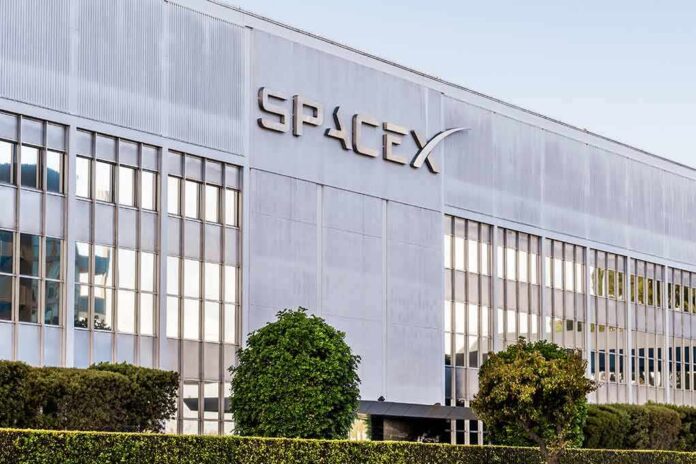
Outlet coverage tied the promise to Musk’s role as SpaceX’s chief and majority owner. Reporters emphasized that the pledge referenced SpaceX, a private company, which changes how shares are valued and traded. Musk added that this plan could be the first of several future distributions, but he did not release a schedule, eligibility rule, or binding plan beyond next year’s promise. That makes the headline clear while leaving the process to be detailed later.
How Big Could This Be?
CNBC cited United States Census data showing about 72 million children under 18 as of mid-2025, which frames the potential scale of recipients. The Times estimated that one share to that group could carry a value around $10.5 billion, based on reported pricing for SpaceX stock in recent transactions. Because SpaceX shares are private, the estimate is a guidepost, not a guaranteed cash value at sale. Trading limits and transfer rules could affect what families can do with the shares.
Even with those limits, the sheer count of accounts and shares would be historic. Putting a piece of a leading space and technology firm in that many children’s hands would be rare. The move would also link a household asset to a company that relies on engineering talent, government contracts, and private capital. That blend raises basic questions about who benefits, who decides, and how the government’s systems interact with private gifts at national scale.
Possible Delivery Through Trump Accounts
Supporters pointed to Trump Accounts as one way to deliver the shares. Brad Gerstner, described as a backer of Trump Accounts, praised the pledge and suggested the program could host the stock for eligible children. Recent policy steps set the table for in‑kind donations. Treasury and the Internal Revenue Service discussed allowing stock contributions tied to these accounts, while news and guidance described how such gifts might be held for a set period before sale. Those rules focus on structure, custody, and timing.
Trump Accounts have grown fast. Coverage in October said more than 60 million children were auto‑enrolled, and that new rules allow individual stocks as contributions, with a general five‑year hold before selling. If SpaceX shares became eligible under those rules, a nationwide intake, custody, and record system already exists. That could reduce friction for families while giving policymakers a real‑time test of how private stock works inside a public‑branded savings plan.
Key Unknowns Families Care About
Reports noted that Musk did not define who counts as a “kid” or which children qualify. Outlets asked whether the plan covers all minors, only citizens, or a different group. They also reported that Musk did not explain how parents or guardians would control the shares, when children could sell, or how taxes would work in each case. Those details matter for working families who live paycheck to paycheck and cannot act on vague guidance.
Elon Musk pledging SpaceX shares to American children is an interesting move. But it also makes you wonder: how many brilliant children around the world will never get similar opportunities simply because they were born in the wrong place?
— 𝑴𝒊𝒔𝒔 𝑾𝒆𝒊𝒓𝒅𝒐🤎🥀 (@dorothdanielle) October 20, 2026
One brief caveat stands: the announcement is a promise, not a completed transfer. Newsrooms did not point to a signed trust, escrow, or securities agreement that locks in the stock today. Still, the pledge fits a trend where billionaires route big gifts through government‑linked accounts to reach children at scale. For many readers, the deeper story is whether American families finally see real, usable value and whether the system serves kids over the ruling class.
Sources:
upi.com, cnbc.com, abcnews.com, thetimes.com, cnn.com, federalregister.gov