US and Iranian officials are heading into indirect Doha talks while both sides publicly deny a direct meeting, exposing how fragile the process remains.
Quick Take
- Qatar says U.S. envoys are in Doha to meet mediators, not Iranian officials.
- Iran says it sent experts to discuss implementation, not a political meeting.
- The memorandum of understanding includes a 60-day window and promises on frozen Iranian assets.
- Disputes over the Strait of Hormuz and asset release are slowing progress.
Doha Talks Stay Indirect
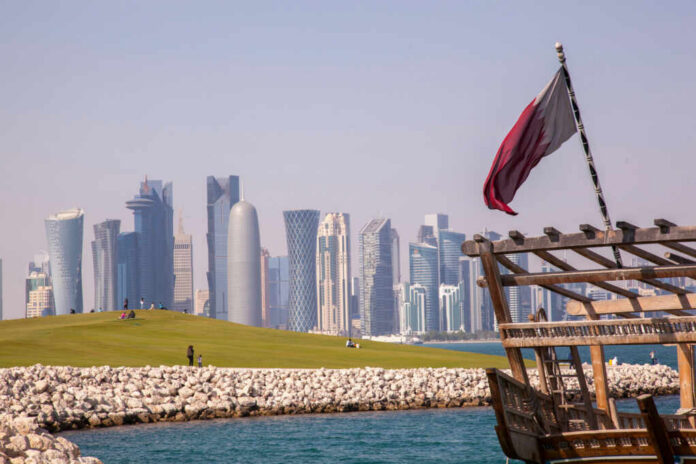
Qatar’s foreign ministry said U.S. envoys Steve Witkoff and Jared Kushner are in Doha to meet mediators, but not Iranian officials. Iran’s foreign ministry gave a different account, saying its team came to discuss implementation issues tied to frozen assets, not fresh political talks. That split matters because it shows the two sides are still using the same venue while speaking past each other.
The public message from both capitals is mixed, but the paper trail is not empty. CNN reported that the released 14-point memorandum calls for an immediate and permanent end to hostilities and starts a 60-day period for final talks. The same text says the United States will issue waivers for Iranian crude exports right away and make frozen Iranian funds fully available once the deal is implemented. Those are major promises, and they set a high bar for follow-through.
What the Memorandum Says
The agreement text gives the clearest picture of what Washington says it signed up to do. It calls for a halt to military operations, reopening the Strait of Hormuz, and later talks over a final deal. It also says the United States will lift barriers to Iranian crude sales and release frozen funds tied to Iran. For readers who are tired of half-measures, this looks like a wide deal on paper.
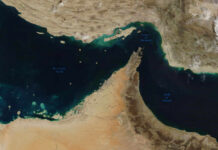
But the same document leaves room for trouble. Analysts cited in the research describe its language as broad and ambiguous, especially on how the Strait of Hormuz should be managed during the talks. Iran says Article 5 gives it authority to regulate traffic for 60 days, while the United States wants free passage without Iranian control. That is not a small detail. It goes to the heart of trade, energy flow, and national sovereignty.
Implementation Is Still the Test
The biggest question now is whether the deal has any real force beyond headlines. Iranian officials have said the United States has not yet released the frozen assets held in Qatar, even though the memorandum says those funds should be made fully available upon implementation. That gap fuels distrust and gives critics plenty of reason to doubt whether Washington can turn a signed document into real action.
🌍 WORLD NEWS DIGEST
📅 July 3, 2026 · Past 12 Hours🕊️ MIDDLE EAST
• US-Iran Doha talks end with agreement to establish communication channel for ceasefire violations. Partial release of $6 billion in frozen Iranian assets from Qatar confirmed. Trump says talks showing… pic.twitter.com/MkifrgY2Bk— 0xzx (@0xzxcom) July 2, 2026
There is also a familiar pattern at work. The research shows this is not the first round of indirect talks, and previous efforts have often run into public contradiction, delay, and dispute over sequencing. That is exactly the kind of mess that frustrates voters who want clear borders, secure energy routes, and a government that keeps its word. For now, Doha looks less like a breakthrough than a stress test for both sides.
Sources:
insiderpaper.com, arabcenterdc.org, cnn.com, bbc.com, time.com, stimson.org, youtube.com