A congressional hearing meant to expose a massive taxpayer-fraud scandal in Minnesota turned into a viral moment—while the underlying allegations point to years of ignored warnings and billions potentially lost.
Quick Take
- Rep. Pat Fallon confronted Minnesota Gov. Tim Walz during a March 4, 2026 House Oversight hearing focused on fraud and misuse of federal funds.
- The Oversight Committee’s investigation centers on long-running abuse of social-services programs, with an estimated $9 billion in misappropriated federal and state funds alleged in Minnesota.
- An interim House Oversight staff report says Walz and AG Keith Ellison knew about rampant fraud earlier than previously disclosed, based on interviews and documents.
- Minnesota lawmakers testified that whistleblowers and auditors raised repeated alarms, with claims of retaliation and internal efforts to sidestep oversight.
Fallon’s Viral Exchange Came During a High-Stakes Fraud Hearing
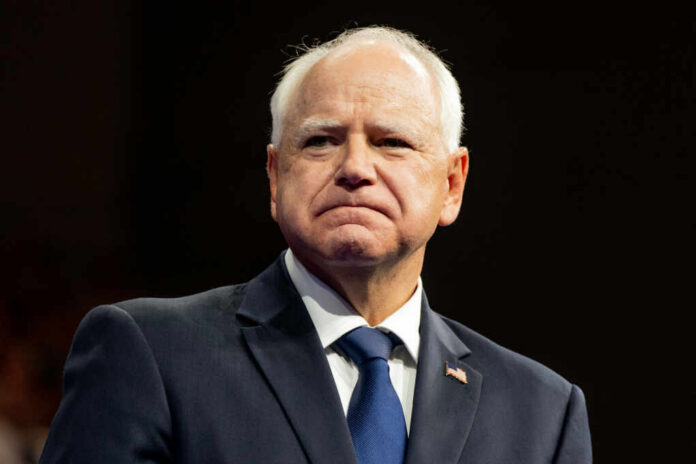
House Oversight held its March 4, 2026 hearing, “Oversight of Fraud and Misuse of Federal Funds in Minnesota: Part II,” with Gov. Tim Walz and Attorney General Keith Ellison appearing before lawmakers. Rep. Pat Fallon (R-Texas) used his time to deliver pointed remarks that referenced Democratic vice-presidential selection politics, a moment that traveled quickly online. Walz responded briefly, saying, “I wouldn’t know, Congressman,” as the exchange drew attention beyond the hearing’s core purpose.
The spectacle matters because it happened inside an official forum examining alleged large-scale theft and misuse of taxpayer funds. For viewers frustrated by years of government waste and “accountability theater,” the key question is whether the hearing produces enforceable reforms and consequences. The sharp personal exchange competed with the substance: what was known, when it was known, and why oversight mechanisms failed for so long in programs designed to serve vulnerable Minnesotans.
Oversight Investigators Allege Years of Ignored Alarms and Systemic Failures
The House Oversight Committee describes a fraud problem stretching back years, with some schemes dating to at least 2018. The committee’s public materials and witness testimony highlight repeated warnings from state auditors, whistleblowers, and investigative reporting that flagged weaknesses in program controls and enforcement. The committee also says it is seeking communications and records to clarify how decisions were made inside state agencies and why red flags did not trigger faster, tougher action.
According to the interim staff report referenced by the committee, investigators relied on interviews with nine current and former Minnesota state employees and reviewed documents obtained during the probe. That interim report frames the controversy as a “cost of doing nothing” problem—suggesting that failures in basic governance allowed criminals to exploit public programs.
What Witness Testimony Claims About Knowledge, Retaliation, and Internal Conduct
Minnesota state lawmakers who testified painted an especially damaging picture of leadership awareness and follow-through. State Rep. Kristin Robbins said Walz’s administration “willfully turned a blind eye” despite “countless whistleblower and Auditor reports,” while another lawmaker testified that Walz “absolutely knew that it was occurring.” Those claims, if supported by documents and timelines, would raise hard questions about executive responsibility. At minimum, the testimony reinforces why paper trails and internal emails matter in an oversight investigation.
Allegations that whistleblowers faced retaliation and that some officials may have tried to mislead auditors through documentation. Another highlighted example involves a grant manager approving nearly $680,000 before leaving to work for the same grantee—an ethics concern that underscores why conservatives push for tighter guardrails on bureaucracy and contracting. The sources provided summarize these claims but do not supply full underlying exhibits in this prompt, so the strongest conclusions depend on what investigators ultimately release.
Taxpayer Impact: Accountability, Controls, and the Limits of Headlines
The dollar figures are staggering, including an estimated $9 billion in misappropriated federal and state funds tied to Minnesota’s social-services system. Uncertainty around the exact total because the number is described as an estimate, but even conservative readers who distrust big, rounded figures can recognize the broader point: weak controls invite organized fraud. When oversight collapses, legitimate beneficiaries lose services and taxpayers get stuck paying for failure.
In 2026, with the Biden era over and the Trump administration emphasizing tougher scrutiny of government spending, the political context is obvious—but the constitutional and civic principle is bigger than politics. Government exists to safeguard public funds and enforce laws evenly, not to excuse mismanagement behind slogans. The next critical developments will be document production, clearer timelines of who knew what, and whether reforms translate into measurable safeguards rather than another cycle of outrage.
Sources:
House Committee on Oversight and Accountability – Releases
Minnesota fraud investigation: Oversight