

A Maryland valedictorian was detained at a routine federal check-in, then sent out of state, putting a human face on how government power can upend a family without clear public answers.
Story Snapshot
- ICE detained a University of Maryland student and her mother during a scheduled check-in in Baltimore.
- Reports say both were transferred to a detention facility in Louisiana after initial custody.
- Local leaders and the university called attention to the case and urged support or release.
- The public record lacks the case documents that explain the legal basis for detention.
What Happened At The Baltimore Check-In
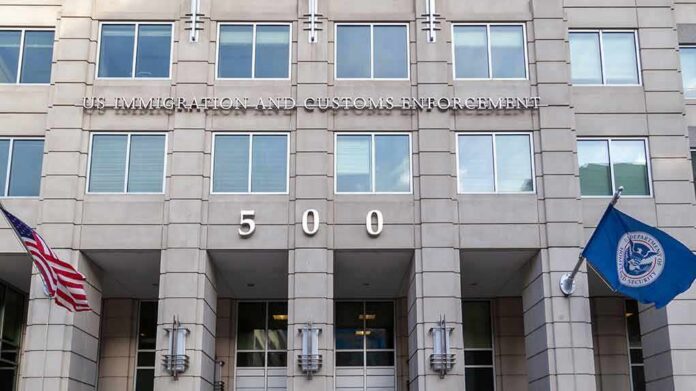
Local outlets reported that University of Maryland student Maria Flores Garcia and her mother attended a scheduled immigration check-in at the federal office in Baltimore and were detained there. Her boyfriend, Cesar Saavedra, said officials told Maria she could leave or stay with her mother, and she chose to stay before being detained minutes later. Officials transferred both to custody outside Maryland, with reports identifying a facility in Louisiana holding them after the arrest.
Prince George’s County leaders amplified the case soon after the detention. County Executive Aisha Braveboy called the detention outrageous and urged the immediate release and safe return of the mother and daughter. The University of Maryland acknowledged the situation in a statement and said it was working to provide resources when possible and appropriate. Those responses increased public attention while the federal agency did not issue a detailed, case-specific rationale in the coverage.
What We Know And What We Do Not Know
The reports agree on the place, timing, and result: an ICE detention at a Baltimore check-in, followed by transfer to Louisiana. The available coverage does not include a public arrest warrant, a removal order, or custody paperwork for either woman. Without those records, the public cannot see which immigration statute or policy ICE used, or whether detention was mandatory or discretionary. That gap leaves key questions open and shifts the narrative to secondhand accounts.
Maryland’s own legislative overview explains that people may be held temporarily at the ICE field office in Baltimore before transfer out of state, which matches the reported sequence here. The overview also notes that Maryland does not operate federal immigration jails, so transfers to other states are common. That practice fuels criticism from both left and right, who see government systems moving people far from home with few explanations and little local oversight.
Why This Case Taps Wider Frustration
Families on both sides of the political aisle see a government that enforces hard rules without clear communication. Conservatives argue that laws must be enforced, but they also distrust distant federal systems that act without transparency. Liberals argue that community ties and compliance should count, yet they also struggle to access records that show if ICE followed its own rules. Both sides see power used first and explained later, which weakens trust.
UMD STUDENT DETAINED BY ICE: A University of Maryland student, identified as Maria Flores Garcia, and her mother are being held at an immigration detention facility in Louisiana, according to Garcia's boyfriend. The two were detained after attending an immigration check-in in… pic.twitter.com/BEd2K59EYb
— Allison Papson (@AllisonPapson) November 10, 2026
National context shows rising arrests tied to scheduled appointments for people under supervision, with courts still sorting out which detention laws apply in each posture. That debate matters here, but this case turns on basic information still missing from public view. Until ICE or the courts release the specific documents, the public cannot judge whether detention followed a final removal order, a violation finding, or a policy that limits release for certain entrants.
What To Watch Next
Watch for release of the core case records: any notice to appear, removal order, custody determination, or bond decision. Those documents would show the legal hook for detention and whether an immigration judge can review custody. Also watch for confirmation of facility locations and transfer logs, since out-of-state moves can disrupt legal access and family contact. Local leaders’ calls for release suggest legal aid is mobilizing, which could bring the first authoritative filings into public view.
Sources:
washingtontimes.com, nbcwashington.com, dailymail.com, bettercarenetwork.org