

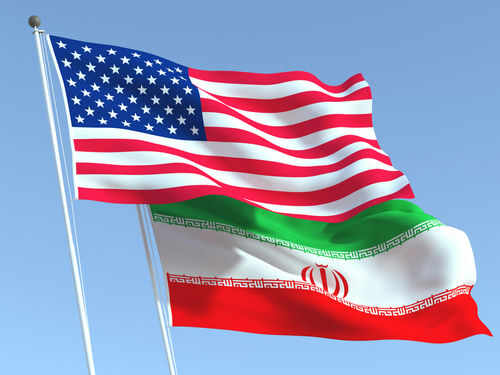
A top Democrat is signaling he may bankroll Trump’s Iran fight even while calling it “dumb”—a preview of how Washington can keep wars going through funding votes long after the slogans fade.
Quick Take
- One Democratic senator is drawing attention for saying he’d vote to fund the Iran operation despite criticizing it as a “dumb” war.
- Democrats are split between symbolic War Powers votes and the real leverage point: appropriations that pay for military action.
- Congress is moving toward competing War Powers measures as briefings and early casualty reports heighten pressure on both parties.
- Regional retaliation and market impacts—including oil and flight disruptions—are already showing Americans the practical costs of escalation.
Democrats’ real leverage isn’t the War Powers vote—it’s the money
Senate Democrats are preparing for a political fight that revolves less around speeches and more around whether Congress funds ongoing operations against Iran. Axios reported that a Democratic senator, while calling the conflict “dumb,” still indicated he would vote to pay for it—arguing the funding bill is where lawmakers can force conditions and accountability. That posture highlights a familiar Washington reality: “symbolic” votes make headlines, but appropriations determine what continues.
Sen. Bernie Sanders urged colleagues to concentrate on the “financial aspects,” reflecting an internal Democratic push to use the power of the purse rather than rely on a War Powers Resolution alone. Other Democrats emphasized procedure and oversight, while some signaled pragmatic acceptance that the conflict could continue regardless of messaging. The common thread is that even critics may hesitate to be seen as cutting off troops once operations are underway, which makes any “defund” strategy hard to sustain.
Strikes, retaliation, and a fast-moving vote schedule tighten the vise
The conflict accelerated after weekend strikes that killed Iran’s Supreme Leader Ayatollah Ali Khamenei, followed by Iranian missile launches that were reportedly intercepted across parts of the Middle East. Reporting described blasts and disruptions affecting Israel and Gulf states, with airlines suspending some flights as tensions rose. The Senate prepared to vote on a War Powers Resolution as early as March 3, while House Democrats also moved toward a separate measure seeking to limit operations.
Briefings to lawmakers intensified the partisan split. Speaker Mike Johnson said supplemental funding may be needed and suggested Republicans have the votes to block efforts that constrain the president. Senate Republican leaders cited commander-in-chief precedent, while several Democrats argued Congress had not authorized a new war and questioned the legal basis. These disputes are not academic; they define whether the executive branch can expand a campaign quickly while Congress argues after the fact.
Legal and constitutional questions collide with political incentives
Sen. Richard Blumenthal described the conflict as a “war of choice” and demanded accountability, echoing a broader Democratic argument that major military action should not proceed without congressional authorization. Sen. Chris Murphy cautioned that attempts to check the president could backfire—an admission that War Powers fights often become partisan tests rather than clean constitutional enforcement. Limited public detail about the administration’s rationale is fueling demands for clearer objectives, scope, and endpoints.
For conservative voters, the constitutional angle is more than a talking point. Congress has a duty to debate and authorize wars, but it also has an obligation to fund and protect U.S. forces once committed—two responsibilities that can clash when politics gets heated. This also shows disputed claims over the urgency of Iran’s nuclear threat, with at least one senator calling the administration’s justification untrue. With facts contested in real time, oversight becomes harder and messaging becomes easier.
Americans may feel the costs first—before Washington agrees on the mission
Economic and security ripple effects are already emerging. Oil prices surging sharply and aviation disruptions as airlines paused routes amid regional uncertainty. Early reports of U.S. casualties add another layer of urgency for lawmakers weighing how to vote on funding and limits. If a supplemental request arrives, the debate will likely shift from theory to line items—how much, for how long, and under what constraints—while public patience gets tested.
Democratic Senator Says He'd Vote To Fund Trump's 'Dumb War' With Iran https://t.co/0NnKt5UTNv
— Mediaite (@Mediaite) March 4, 2026
The immediate political question is whether Democrats who call the operation reckless will still vote to finance it—and whether Republicans will accept any conditions tied to that financing. The longer-term question is whether Congress reasserts its role before a “weeks-long campaign” becomes an open-ended commitment. The most concrete pressure point is not the War Powers messaging vote; it is the appropriation bill that can either write a blank check or demand measurable limits.
Sources:
Inside Democrats’ long game on Iran
Massachusetts leaders split over Trump’s Iran strikes as war powers vote looms
Dems roll out new war powers measure
Senate Democrat warns bid to check Trump war on Iran could backfire