
An active-duty U.S. Army sergeant admitted he conspired to sell sensitive defense information to buyers in China, confirming a breach from inside the ranks.
Story Snapshot
- Army Sgt. Jian Zhao pleaded guilty to a federal conspiracy to transfer national-defense information.
- Prosecutors tied the scheme to a former soldier, Ruoyu Duan, and buyers in China.
- Targeted material included operational orders and radar system blueprints in the Pacific theater.
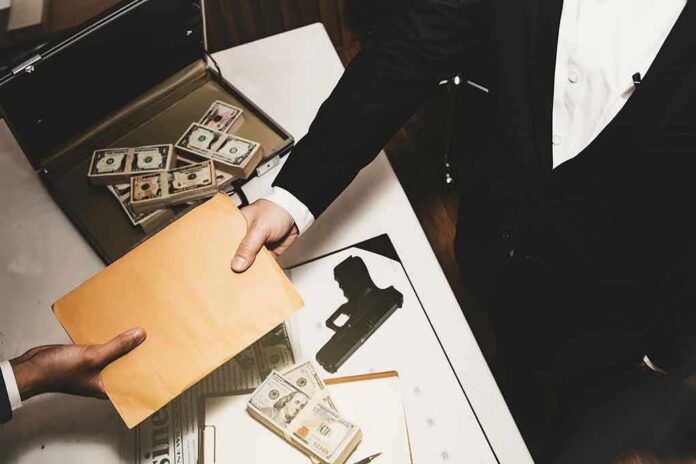
- Agents seized cash and Army hard drives during the arrest, according to reports.
What Prosecutors Say Happened
The U.S. Department of Justice said Army Sgt. Jian Zhao pleaded guilty to conspiring to gather and transfer national-defense information to individuals connected to China. The indictment charged that Zhao knowingly sought and sent sensitive materials, including documents and equipment details, over several years. Prosecutors said the scheme ran from late 2021 into 2025 and linked Zhao with former Army soldier Ruoyu Duan, who lived in Oregon. The case centers on insider access and the sale of information for money.
https://www.youtube.com/watch?v=f7dZcvcyv9w
Charging papers said the plot reached beyond general news about the military. Prosecutors described categories like operational orders, details of a large Pacific training exercise, and blueprints tied to a radar system in Okinawa, Japan. The legal filings use the term “national-defense information,” which covers sensitive material about U.S. military capabilities. Public documents do not list classification markings for each item, but the government placed the conduct within national-defense laws that carry serious penalties.
How Investigators Built the Case
Federal agents arrested Zhao at his home near Joint Base Lewis-McChord in Washington in March 2025, according to reporting based on the Justice Department’s account. During that action, agents seized about $30,000 in cash, devices, and multiple Army hard drives, which supported the conspiracy case, the reports said. The Justice Department described Zhao as a supply sergeant with authorized access to sensitive systems and information, which explains how he could collect the material at issue.
The Western District of Washington indictment laid out the alleged actions in detail and set the legal frame for Zhao’s plea. The court filing charged that Zhao conspired to obtain and pass national-defense documents, photographs, and notes. The named co-conspirator, Duan, helped connect the material to buyers in China, according to the Justice Department. The plea secures a conviction on the conspiracy charge. Sentencing will determine the exact prison term under federal guidelines and the court’s judgment.
Why This Case Matters Beyond One Soldier
The Zhao case fits a wider pattern the Justice Department has tracked for years. Government summaries say most economic-espionage prosecutions allege conduct that would benefit China, and a majority of trade-secret cases show a China link. Those figures span corporate and technology theft, not only military cases, but they show a long-running focus on Chinese collection efforts that mix cyber hacking, shell buyers, and insiders with real access.
"Deliberate Betrayal": Active-Duty US Army Sergeant Admits Selling Military Secrets To Buyers In China https://t.co/fgtxJ5Xh55
— Move The Headlines (@mvtheheadlines) November 25, 2026
Americans across the political spectrum worry that insiders can be bribed or pressured while leaders fail to protect critical systems. This case highlights that fear: a cleared soldier, on active duty, moved sensitive information for cash, according to his plea. The law must punish that betrayal, but prevention matters just as much. Stronger vetting, faster audits of access logs, and tighter handling of operational orders can help stop the next insider before damage is done.
Sources:
zerohedge.com, justice.gov, militarytimes.com