A high-value cartel fugitive landed in Mexican custody after a deadly raid that left soldiers and gunmen dead, reigniting fear across Sinaloa.
Story Highlights
- Mexican forces captured Fausto Isidro Meza Flores in Guasave, Sinaloa, on November 20, 2026.
- United States agencies supported the operation through a joint investigation and intelligence sharing.
- Officials say the raid involved heavy gunfire and explosives, with multiple deaths and arrests.
- The case highlights the risks of the “kingpin” strategy, which can fuel violent power struggles.
What Happened In Guasave
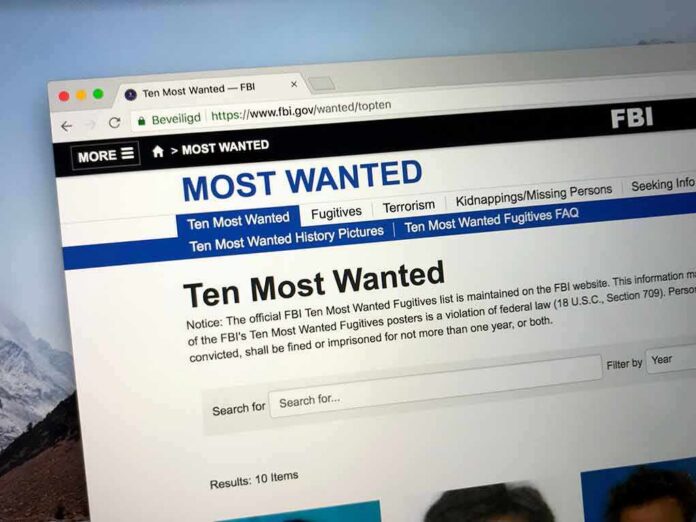
Mexico’s Defense Ministry announced the capture of Fausto Isidro Meza Flores, known as “El Chapo Isidro,” during a military raid in Guasave, Sinaloa, on November 20. The United States Department of Justice said Mexican military forces took him into custody and confirmed the date and location. The Department of Justice described him as a senior leader linked to the Sinaloa Cartel and one of the Federal Bureau of Investigation’s Ten Most Wanted fugitives. Mexico transferred him to Mexico City shortly after the operation, according to reporting.
Reuters-based accounts, citing Mexican officials, reported that four soldiers died in the clash, seven alleged attackers were killed, and eight suspects were detained. Authorities described a fast, planned entry using “stealth and surprise,” followed by a perimeter lockdown and return fire after troops came under attack with guns and explosives. Officials said Meza Flores and another detainee were flown out before dawn. Those figures come from government statements cited in press reports.
How The U.S. Was Involved
The Department of Justice said the arrest followed a Homeland Security task force investigation and occurred “with U.S. assistance.” The Drug Enforcement Administration highlighted the value of intelligence sharing with Mexican partners. These statements point to cross-border coordination but do not detail the exact role of each agency or specific intelligence used to locate the target. That level of operational secrecy is common in joint cases tied to cartel leadership captures.
Federal prosecutors in Washington, D.C., filed a second superseding indictment in September charging Meza Flores with narcoterrorism, running a continuing criminal enterprise, money laundering, and firearms offenses. Those charges describe alleged roles in trafficking and violence but remain allegations unless proven in court. His placement on the FBI’s Ten Most Wanted list reflects his priority status for U.S. law enforcement.
Why The Capture Matters Now
The violent fallout around the raid shows the stakes for families and workers who live near cartel routes. People across the political spectrum in the United States worry that cartel chaos pushes drugs north and instability south, while government action often feels late, limited, or secretive. For conservatives, the case underscores border and public safety demands. For liberals, it highlights how crime, corruption, and weak services trap communities between fear and poverty. Both sides see a system that too often protects insiders before citizens.
🇲🇽 Mexican special forces capture FBI Top Ten fugitive El Chapo Isidro in deadly operation that leaves 11 dead
Mexican elite military units captured Fausto Isidro Meza Flores, one of the FBI's Ten Most Wanted fugitives, during an operation in Guasave, Sinaloa, on November 20,… https://t.co/aGxR0ctOfF pic.twitter.com/Pfb9QTvRGO
— The Tectonic (@thetect0nic) November 22, 2026
History suggests arrests of top leaders can bring mixed results. Research on Mexico’s “kingpin strategy” finds short-term disruption can be followed by more violence as factions fight for control and new groups form. Studies link leader removals to higher homicide rates in key areas and more criminal fragmentation over time. That pattern is not fate, but it shows why a single high-profile capture, while important, rarely ends a criminal network by itself.
What To Watch Next
Courts in Mexico and the United States will move to secure charges, custody, and evidence. Officials may announce more arrests tied to the same network. Security conditions in Sinaloa will be a key signal; a drop in roadblocks and gun battles would suggest the state holds the initiative. If splinter groups act, violence could spike again. Policymakers in Washington and Mexico City will face pressure to pair leader arrests with border security, community policing, and efforts that cut the cartels’ cash flow.
Sources:
nytimes.com, dea.gov, fox5atlanta.com, mwi.westpoint.edu