
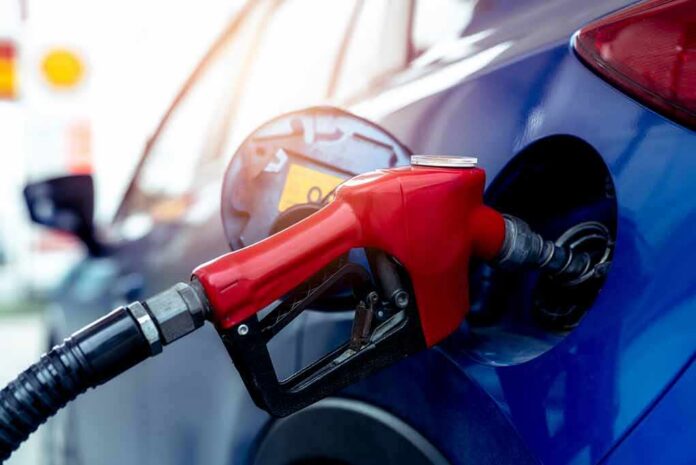
A federal lawsuit says more than 1 million gallons of fuel were lifted without payment and sold at Trump-promoted Freedom Fuel stations, raising hard questions about who protects consumers when basic market rules break down.
Story Snapshot
- A supplier alleges KRSM took about 1.12 million gallons, worth nearly $4 million, without paying.
- The suit says some of that fuel was resold through Freedom Fuel stations at unusually low prices.
- KRSM denies wrongdoing and calls it an accounting dispute over mispriced invoices.
- The case highlights recurring risks in fast-moving fuel markets and retail pricing wars.
What the Lawsuit Alleges About the Missing Fuel
Mansfield Oil Company filed a federal complaint on August 19 in the Eastern District of Pennsylvania. The company alleges KRSM Inc. took about 1,124,594 gallons from a Sunoco terminal in Twin Oaks between May 21 and July 7. The complaint values the fuel at $3,998,868.46 and says Mansfield was never paid. The filing ties a portion of those gallons to sales at Freedom Fuel stations that had been offering lower-than-market prices to draw drivers.
The suit describes “terminal lifts” that used Mansfield’s account credentials to obtain about 150 loads. It claims KRSM benefited from rapid resale while invoices went unpaid. The court filing cites unusually low retail prices as a sign that unpaid product was pushed into the market to gain volume. The case is civil, not criminal. No court has ruled on the facts. The complaint seeks damages and other relief the judge may allow under contract and commercial law.
How KRSM Explains the Dispute
KRSM and its president, Syed Kazmi, deny the theft claims. Their lawyer says this is an accounting dispute. The defense argues Mansfield issued delayed or mispriced invoices and that KRSM objected before the lawsuit. KRSM says the core issue is price and billing accuracy, not whether fuel was lifted or delivered to stations. The company says it will not comment further while the case is active in court filings and negotiations.
KRSM’s position tracks with disputes common in fuel distribution. Companies often lift fuel, resell it fast, and reconcile later. When prices swing and paperwork lags, parties argue over what rate applies and when payment is due. That pattern has led to high-dollar lawsuits in the past, even when both sides agree fuel changed hands. The open question here is whether this is a billing fight or a diversion and nonpayment case, which the court will decide.
Why This Matters for Drivers and Small Businesses
Drivers saw cheap gas at some Freedom Fuel locations this summer. Low prices help families and workers who feel squeezed by high costs. But if the discount came from unpaid product, honest retailers get crushed. Law-abiding stations cannot match prices set on fuel that was not paid for. That would hurt local businesses, reduce fair competition, and shift costs to others through higher wholesale rates or tighter credit terms in the region.
Small retailers often depend on thin margins, steady supply, and clean books. A wave of unpaid fuel can trigger credit freezes and supply cutoffs beyond one brand. That can raise prices for everyone. When disputes move to court, the process can last months. During that time, consumers and stations face uncertainty. The court’s findings will set the facts. Until then, the best consumer guardrail is transparency on who supplies the fuel and how payment flows in the chain.
The Political Backdrop and Shared Concerns
President Trump praised the Freedom Fuel Network for offering cheaper gas. Supporters saw a win for drivers. Critics saw a stunt. The lawsuit now tests a hard line between fair discounting and unfair advantage. Voters across the spectrum worry the system favors insiders. They fear big players can game supply and credit while regular people pay the price. This case spotlights that fear in a pocketbook market that touches every household.
Is anyone surprised?
Lawsuit alleges Freedom Fuel gas stations touted by Trump are selling stolen fuel.https://t.co/NftVXRretV
— Happy (@Happykittyoffla) August 29, 2026
Energy policy fights often focus on drilling, green rules, or taxes. But many costs come from the distribution system itself. Terminals, contracts, invoice timing, and credit all shape the price at the pump. When those pieces fail, families notice fast. The court’s decision will not solve bigger energy debates. Yet a clear ruling can set cleaner rules for the road. That helps honest sellers, protects drivers, and reminds everyone that the law still sets the lane lines.
Sources:
foxbusiness.com, nbcphiladelphia.com, theguardian.com, kiss104fm.com, timesofindia.indiatimes.com, conv.news, independent.co.uk