
Gavin Newsom said Barack Obama told him to “do this” on California’s Prop. 50 redistricting push, while Obama also appeared in ads and events urging voters to back it.
Story Snapshot
- Newsom says Obama encouraged him to move forward on Prop. 50 in a private exchange.
- Obama publicly backed Prop. 50 in a statewide ad and a volunteer event with Newsom.
- News reports describe Obama calling Newsom’s approach “responsible” and “measured”.
- Critics say this clashes with Obama’s past anti-gerrymandering stance, fueling a hypocrisy fight.
What Newsom Said And What Obama Did In Public
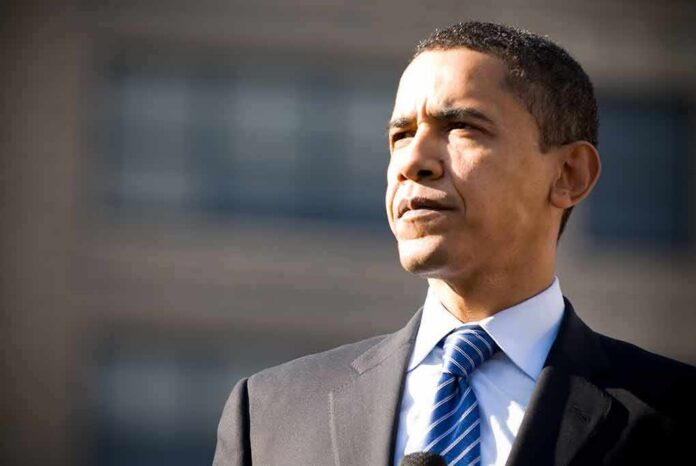
Axios posted a clip of Governor Gavin Newsom saying he reached out to Barack Obama about California’s redistricting plan. Newsom said Obama told him, “I like what you’re saying and I hope you do this,” which Newsom has framed as support to proceed. Beyond that private exchange, Obama stepped into the campaign. He appeared in a 30-second television ad urging Californians to vote yes on Proposition 50 and joined a live volunteer event alongside Newsom to press the case to voters.
Major outlets also reported on Obama’s language around the effort. The New York Times summarized Obama’s view as endorsing Newsom’s plan as a prudent, measured response and not a license to gerrymander, echoing Obama’s claim that the plan aimed to be responsible in scope. Together, the ad, the event, and the praise show Obama offered public cover for the Prop. 50 push. The exact wording of any private “permission” exists only in Newsom’s account so far.
Why Prop. 50 Became A National Proxy Fight
Supporters argued Prop. 50 was a temporary fix after Republican-led mid-decade redistricting in Texas. The measure asked California voters to approve new congressional lines until 2030, framed as a counter to partisan moves elsewhere and as an effort routed through a voter referendum rather than a closed-door process. That pitch let Democrats claim they were responding to a “particular problem,” not abandoning reform ideas, which is how Obama’s comments were often presented in coverage.
Critics on the left and right saw something else. They said Obama had long condemned gerrymandering and championed independent mapmaking. They argued his backing of a partisan-leaning map in California cut against those reform messages. News coverage documented opponents citing Obama’s own past words against him, saying gerrymandering had warped representative government and that his new stance undercut trust in fair maps. That clash fed a wider belief that powerful figures bend rules when it helps their side.
What We Can Say For Certain—and What We Cannot
The facts with public records are clear. Obama starred in a “Vote Yes on 50” television ad, and he appeared with Newsom to rally backers in a live volunteer event. Reputable reporting also quotes or paraphrases Obama describing Newsom’s approach as responsible and measured, positioning the effort as limited and tied to voter approval. These actions show endorsement of the ballot measure and moral support for the broader strategy presented to voters.
One claim rests on a thinner reed. The idea that Obama granted “permission” comes from Newsom’s retelling of their private conversation on an Axios program, which has not been independently transcribed in full in the materials provided. That does not erase Obama’s public support; it only means we should separate what is on tape from what is recalled. The core record shows strong public backing, even if the exact private phrasing remains second-hand.
Why This Matters For People Tired Of Political Games
Many Americans, right and left, feel insiders change rules to protect power. This episode taps that nerve. Supporters say Prop. 50 let voters choose a response in the open, with clear dates and limits. Opponents say the move chipped away at independent map norms, and that elite voices blessed it anyway. Both views reflect a deeper worry: the system often solves political problems for the few, not everyday people. The trust gap grows each time leaders appear to justify exceptions for their team.
Bottom Line
Newsom says Obama told him to proceed, and the public record shows Obama backed Prop. 50 with ads, events, and praise. Whether that adds up to “permission” depends on how much weight you give Newsom’s private account. What is not in doubt is the signal this sent: national figures are willing to bend normal redistricting timing when they say the stakes are high—and voters are left to judge if that helps or hurts trust in the rules.
Sources:
motherjones.com, usatoday.com, youtube.com, nytimes.com