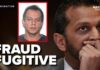

A man declared dead by multiple outlets just walked through Tehran with millions of mourners, exposing how fast war-time “facts” can flip.
Story Snapshot
- Mahmoud Ahmadinejad appeared at Ayatollah Ali Khamenei’s funeral, months after reports said he was killed.
- Initial reports from March claimed a strike on his residence killed him; later coverage cast doubt.
- American officials and satellite details previously pointed to survival and limited home damage.
- The whiplash highlights a wider pattern of premature death claims in Iran coverage.
What Was Reported In March, And Why It Mattered
On March 1 and 2, multiple outlets said a joint strike in Tehran killed former president Mahmoud Ahmadinejad. The reports cited an explosion near his residence and tied it to broader attacks during the conflict. Some state-linked and international platforms echoed the death claim. The narrative suggested a major blow to Iran’s hardline camp and fed talk about regime change. Later updates began to question the details and called for official confirmation that never arrived.
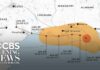
Weeks later, deeper reporting challenged the early story. The New York Times said Ahmadinejad survived, though bodyguards died. The paper described a plan to elevate him that faltered, and noted satellite images showed only limited damage at his home while a security post took the hit. That account reframed the blast from a fatal strike to a near-miss and left his exact status and location unclear through the spring.
What We Saw At Khamenei’s Funeral
On July 6, new images brought clarity. Iranian and international outlets showed Ahmadinejad at Ayatollah Ali Khamenei’s funeral procession in Tehran. Video and photos identified him among mourners, ending months of doubt about whether he lived. Israel National News and Iran International both reported his presence, which directly contradicted the March death narrative repeated by several media sources at the start of the war.
The public appearance functions as visual confirmation. It undercuts earlier claims that relied on chaotic early reporting. It also supports the spring narrative that he survived the strike. This does not resolve every question about what happened that night. It does, however, settle the core point that he is alive. For many readers, that is the only proof that matters in judging the credibility of the first wave of reports.
How Early War Narratives Go Wrong
Fast-moving conflicts create information vacuums. Governments, media, and online accounts rush to fill them. Iran coverage has a history of false death stories that later collapse when a target appears in public. The mix of secrecy, propaganda, and social media speed makes mistakes more likely. Past cases show how one shocking claim can spread widely, then quietly unwind when better evidence arrives days or months later.
Former Iranian President Mahmoud Ahmadinejad publicly resurfaced in Tehran on Monday, July 6, 2026, attending the massive funeral procession for the slain Supreme Leader Ayatollah Ali Khamenei. #News
— GodfreyDubon (@GodfreyDubon) July 7, 2026
People across the political spectrum see a pattern here. Many believe powerful actors push stories that serve their goals, and corrections come too late. Conservatives point to fog-of-war spin that justifies strikes and deeper involvement. Liberals point to opaque operations and a lack of public accountability. Both worry that hasty claims about life and death shape policy, markets, and public trust before the truth is known.
What This Means For U.S. Voters And Policy
For Americans, the lesson is simple but urgent. Demand verification, not vibes, before leaders cite dramatic claims to argue for action. Ask which source is named, who saw what, and what images prove it. Treat single-source reports in active war zones with care, even if they come from familiar outlets. When clear video later reverses a headline, it is not a small error. It is a warning about how easily narratives can race ahead of facts.
What To Watch Next
Watch for official statements from Tehran about Ahmadinejad’s current role and security status. Look for independent groups to analyze images and confirm timelines. Track whether U.S. officials update any past briefings or talking points that cited his supposed death. Measure how major platforms handle corrections and whether they boost verified updates as strongly as they boosted the first claim. These follow-ups show whether institutions learn, or just move on.
Sources:
youtube.com, instagram.com, middleeastmonitor.com, facebook.com, israelnationalnews.com, telegraph.co.uk, crescent.icit-digital.org