
The Trump administration is doubling down on its Venezuela strategy with a seasoned diplomat now leading the charge in Caracas, signaling Washington’s determination to reshape a nation that spent years cozying up to America’s adversaries while its people suffered under socialist tyranny.
Story Snapshot
- Veteran diplomat John Barrett replaces Laura Dogu as U.S. chargé d’affaires in Venezuela following Maduro’s January 2026 capture
- Barrett tasked with executing Trump administration’s three-phase plan: stabilization, economic recovery, and democratic transition
- U.S. reopened Caracas mission in late January after seven years of severed diplomatic ties
- Interim President Delcy Rodríguez cooperates with Washington while navigating fragile internal power dynamics
New Envoy Marks Strategic Shift
John Barrett arrived in Caracas in late April 2026 as the new U.S. chargé d’affaires, taking over from Laura Dogu who reopened the American diplomatic mission just months earlier. Barrett brings specialized experience in complex geopolitical environments, representing a shift from Dogu’s initial relationship-building role to operational execution of the Trump administration’s post-Maduro transition strategy. In a statement posted on the U.S. Embassy’s social media, Barrett emphasized his mission to “deliver results for the people of our countries,” underscoring the administration’s commitment to tangible outcomes rather than symbolic gestures that characterized previous failed diplomatic efforts in the region.
Three-Phase Plan Targets Economic Revival
The Trump administration’s strategy centers on a comprehensive three-phase approach designed to stabilize Venezuela and restore its once-prosperous economy. Phase one prioritizes immediate stabilization following the chaos of Maduro’s ouster. Phase two focuses on economic recovery, particularly reviving Venezuela’s decimated oil sector, which collapsed under years of socialist mismanagement and corruption. Phase three aims for political transition toward democratic governance, addressing concerns from both conservatives who value individual liberty and liberals who prioritize human rights. Secretary of State Marco Rubio has emphasized continuity in this approach, rejecting the stop-start policies that allowed Venezuela to become a safe haven for narco-traffickers and a beachhead for hostile foreign powers.
Maduro’s Capture Enabled Diplomatic Reset
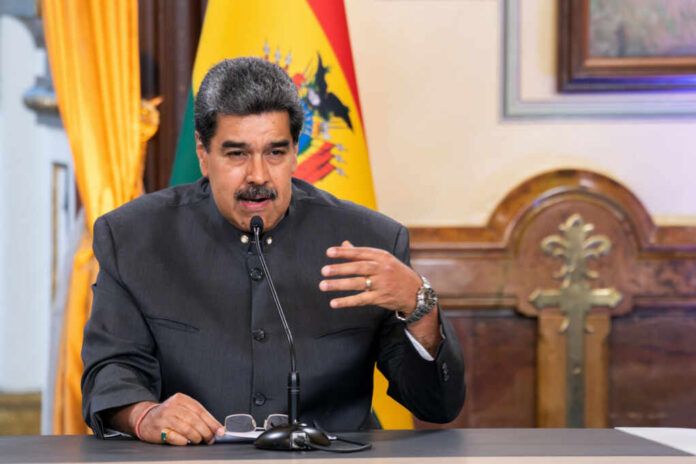
U.S. forces captured Nicolás Maduro on January 3, 2026, ending his thirteen-year reign that transformed Venezuela from Latin America’s wealthiest nation into a humanitarian disaster zone. The capture enabled swift restoration of diplomatic relations severed in 2019 when Washington recognized opposition leader Juan Guaidó as interim president. Within weeks, Dogu arrived in Caracas to reopen the U.S. mission and ease sanctions that had strangled financial channels. On February 3, she met with interim President Delcy Rodríguez to outline American expectations for stabilization, economic reforms, and reconciliation. Rodríguez, a former Maduro ally navigating precarious internal politics, appointed Félix Plasencia as Venezuela’s envoy to Washington, formalizing the diplomatic thaw that previous administrations failed to achieve.
Fragile Transition Tests American Resolve
Venezuela’s political landscape remains unstable despite Maduro’s removal, with remnants of the socialist power structure still embedded in government institutions. Rodríguez walks a tightrope, cooperating with Washington to secure sanctions relief and economic aid while maintaining enough support from former regime loyalists to prevent internal collapse. This precarious balance raises questions about whether the transition will produce genuine democratic reform or merely replace one authoritarian system with another. Barrett’s appointment signals the administration’s awareness of these challenges and its commitment to hands-on diplomacy rather than naive optimism. The success of this endeavor will determine whether millions of Venezuelans displaced by socialism can return home or whether American taxpayers will continue bearing the costs of a refugee crisis created by failed leftist policies.
Implications for American Interests
The Venezuela transition carries significant implications for U.S. national security and economic interests. A stabilized, democratic Venezuela would reduce migration pressures on America’s southern border, a persistent concern for citizens frustrated by years of unchecked illegal immigration. Revival of Venezuela’s oil industry could benefit global energy markets and reduce American dependence on unstable foreign suppliers, addressing conservative priorities for energy independence. Regional stability would also undermine narco-trafficking networks that have flourished under Maduro’s protection. However, the risk remains that this transition could stall, leaving American taxpayers funding another endless nation-building project while corrupt elites pocket the benefits. The administration’s emphasis on results over rhetoric suggests recognition that ordinary Americans, regardless of political affiliation, are tired of watching their government squander resources on foreign entanglements that never seem to end.
Sources:
U.S. diplomat John Barrett takes post in Caracas amid transition push – Miami Herald
US replaces its envoy in Venezuela to consolidate its strategy after Maduro’s ouster – Voz.us
Venezuela, US talk transition post-Maduro – Suriname Times