
The nonprofit that built its brand warning America about “hate groups” is now accused by the Justice Department of secretly paying those same extremists with donor money.
Quick Take
- The DOJ unsealed an 11-count indictment accusing the Southern Poverty Law Center of wire fraud, bank fraud, and money-laundering conspiracy tied to alleged hidden payments to extremist-linked figures.
- Federal prosecutors say SPLC funneled more than $3 million from 2014–2023 to individuals connected to groups including the KKK, National Socialist Movement, Aryan Nations affiliates, and a Unite the Right logistics organizer.
- SPLC argues the payments were lawful compensation to informants used to infiltrate and disrupt extremist networks, not a scheme to deceive donors.
- The case highlights a broader distrust—on both left and right—of powerful institutions that raise money and influence policy while operating with limited transparency.
What the DOJ says happened—and what’s actually charged
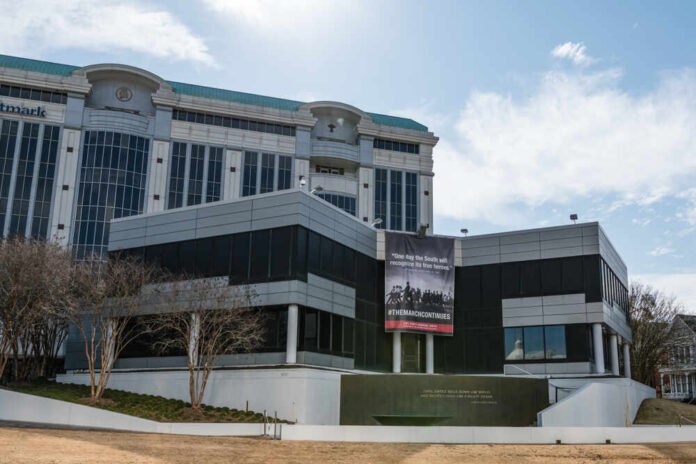
Acting U.S. Attorney General Todd Blanche and FBI Director Kash Patel announced that a grand jury in the Middle District of Alabama returned an indictment against the Southern Poverty Law Center on April 21, 2026. Prosecutors allege SPLC used donor funds to make secret payments to people tied to white nationalist and extremist organizations, while presenting itself publicly as an opponent of those movements. The indictment includes six counts of wire fraud, four counts of bank fraud, and one count of conspiracy to commit money laundering.
According to reporting, the alleged conduct spans 2014 through 2023 and involves more than $3 million paid to at least eight individuals described as informants or sources inside extremist circles. The DOJ claims the payments were routed through shell entities and masked in ways that misled donors and financial institutions about where money was going and why. Officials also alleged SPLC produced “work product” reports that emphasized rising extremism while withholding the extent of its financial relationships with targets.
SPLC’s defense: informants, infiltration, and the gray zone of private “intelligence”
SPLC’s response, as reflected in the coverage, is straightforward: the nonprofit says it paid informants to infiltrate and weaken extremist groups from within. In other words, SPLC argues the program was aimed at public safety and exposure, similar in spirit to how law enforcement uses confidential sources. That defense matters because paying informants is not inherently illegal; the legal question becomes whether SPLC’s fundraising, banking representations, and internal accounting crossed into fraud or money-laundering conspiracy as prosecutors allege.
Recent coverage indicates prosecutors view the key problem as alleged deception—especially if donors were led to believe their dollars fought extremism while money was quietly sent to extremists or their organizers. The DOJ’s description also emphasizes mechanics: shell companies, banking representations, and concealed beneficiaries. Without the full text of the indictment and court filings in front of the public, outside observers can’t independently verify each transaction. What is clear is the government is framing this not as a policy dispute, but as a financial-crimes case.
The details fueling public outrage: who allegedly got paid, and how much
Multiple outlets reported specific examples cited by investigators, including a reported $1 million paid to one source over nine years for stealing documents and a reported $270,000 paid to a logistics organizer tied to the 2017 Unite the Right rally in Charlottesville. Other reported recipients include figures linked to the Ku Klux Klan, the National Socialist Movement, and Aryan Nations-affiliated networks. Prosecutors argue those facts make the alleged donor-deception especially serious because the recipients were not merely observers, but organizers and leaders.
For conservatives who have long criticized activist nonprofits for pushing ideological narratives, the allegations cut close to the bone: a well-known “watchdog” organization is accused of financing the very threat it warns about. For liberals who support civil-rights enforcement, the case raises a different fear: that a major institution in their ecosystem may have relied on opaque methods inconsistent with its public messaging. Either way, the controversy amplifies a shared, bipartisan suspicion that powerful institutions often escape normal transparency rules.
Why this case lands in a wider “broken trust” moment
The indictment arrives in an era when distrust in government and elite institutions is no longer a niche attitude. Many voters believe Washington rewards insiders while everyday Americans struggle with the basics—safe communities, affordable energy, and a currency not eroded by chronic fiscal mismanagement. DOJ leadership is presenting this case as an example of accountability, but critics will also ask why oversight of nonprofits and politically connected organizations so often seems sporadic, reactive, and dependent on who holds power.
The practical impact will turn on what prosecutors can prove in court and what SPLC can document about internal controls, donor disclosures, and the purpose of each payment. In the short term, the indictment alone can trigger reputational damage, donor hesitation, and increased scrutiny across the nonprofit sector. In the longer term, the case could clarify how far private organizations can go in running informant-style programs—and whether Americans will demand tighter rules on groups that blend fundraising, political influence, and quasi-investigative operations.
Sources:
DOJ Indicts Southern Poverty Law Center for Secretly Funding Extremists
DOJ says Southern Poverty Law Center funneled $3M to white supremacist extremist groups like KKK
DOJ indicts Southern Poverty Law Center on federal fraud charges