
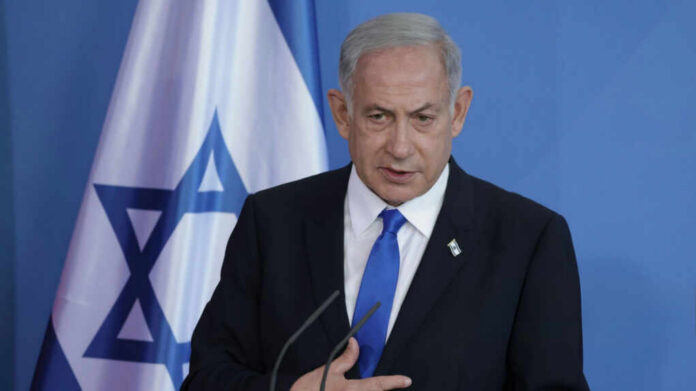
Israeli Prime Minister Benjamin Netanyahu revealed he secretly battled and defeated early-stage prostate cancer while deliberately withholding the diagnosis for months to prevent enemy propaganda during wartime—raising urgent questions about government transparency even when national security hangs in the balance.
Story Snapshot
- Netanyahu diagnosed with early-stage prostate cancer after routine surgery, now declared fully cancer-free
- Prime Minister delayed public disclosure for two months citing war with Iran and propaganda concerns
- Medical team at Hadassah Medical Center successfully eradicated small malignant lesion through targeted radiation therapy
- 76-year-old leader posted on social media declaring himself in “excellent physical condition” with clean bill of health
Cancer Diagnosis Kept Under Wraps During Conflict
Benjamin Netanyahu’s office released his annual health report on April 24, 2026, revealing the 76-year-old Israeli Prime Minister had been diagnosed with and successfully treated for early-stage prostate cancer. The cancer was discovered during routine follow-up imaging after Netanyahu underwent surgery for benign prostatic hyperplasia at Hadassah Medical Center in December 2024. Medical scans detected a small malignant lesion measuring less than one centimeter with no metastatic spread. Netanyahu chose immediate intervention rather than watchful waiting, undergoing targeted radiation therapy that completely eradicated the cancerous tissue according to subsequent imaging and laboratory tests.
Strategic Silence Prioritizes Wartime Security Over Public Right to Know
Netanyahu explicitly stated he delayed releasing the health report for two months to prevent exploitation by what he termed the “Iranian terror regime” during the ongoing Iran-Israel conflict. The Prime Minister’s office prepared the annual health assessment on April 20, 2026, but withheld publication until tensions subsided to avoid providing propaganda ammunition to adversaries. Netanyahu posted on social media platform X declaring “I am healthy” and in “excellent physical condition.” This calculated delay raises legitimate concerns about governmental transparency, even among those who understand security imperatives. Citizens deserve timely information about their leaders’ fitness to govern, yet wartime realities sometimes demand difficult choices between openness and strategic advantage.
Medical Team Delivers Successful Treatment Through Precision Therapy
Prof. Aharon Popovzer, director of Hadassah’s Sharret Institute, led the medical team alongside Dr. Mark Wigoda and Dr. Shraga Gors in administering the radiation therapy that eliminated Netanyahu’s cancer. The treatment targeted the isolated lesion with precision, avoiding damage to surrounding tissue while achieving complete eradication confirmed through follow-up diagnostics. Early detection through routine post-surgical monitoring proved critical to the favorable outcome. The case underscores the importance of vigilant medical surveillance, particularly for older men following prostate procedures. Netanyahu’s December 2024 surgery for benign enlargement was routine and complication-free, making the subsequent cancer discovery purely incidental but fortuitously timed for optimal intervention.
Transparency Questions Persist Despite Full Recovery
While Netanyahu’s complete recovery eliminates immediate health concerns about leadership continuity, his two-month disclosure delay invites scrutiny from both supporters and critics. The Israeli public received reassurance about their Prime Minister’s fitness, yet the precedent of withholding significant health information during conflict creates troubling implications for democratic accountability. Political opponents may question whether security justifications mask less noble motives for secrecy. Supporters counter that denying Iran propaganda victories during active warfare represents sound strategic judgment. This tension between operational security and governmental transparency reflects broader frustrations with elites who claim special knowledge justifying decisions ordinary citizens cannot evaluate. The episode highlights how those in power—regardless of party or nation—often prioritize maintaining control over information that rightfully belongs to the people they serve.
Netanyahu’s case demonstrates both the benefits of modern cancer screening and the complex calculations leaders face when personal health intersects with national security. The 76-year-old remains in office with medical clearance, but the delayed disclosure adds another chapter to ongoing debates about whether government officials serve the public interest or their own when controlling the flow of critical information during crises.
Sources:
Israeli PM Netanyahu announces treatment for early-stage prostate cancer – Xinhua
Netanyahu successfully treated for early-stage prostate cancer – The Jerusalem Post
Netanyahu reveals prostate cancer treatment during Iran war – The Independent