
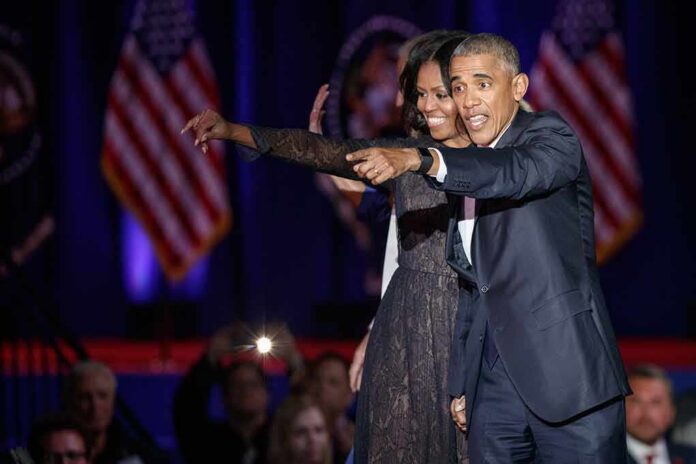
One phone call from Barack Obama gave Abdul El-Sayed an early boost after a bruising Michigan Senate primary, and it quickly turned into a larger test of whether Democrats can actually unite.
Quick Take
- Abdul El-Sayed said he spoke with Barack Obama after winning Michigan’s Democratic Senate primary.
- El-Sayed described the call as “warm” and “inspiring,” and said he hoped Obama would campaign with him.
- Obama’s team confirmed the call, which multiple outlets framed as a sign of early support.
- The story reflects a common post-primary pattern: a simple courtesy call gets treated as a major political signal.
What the Call Said About Party Unity
El-Sayed said the Friday call with Obama was “really warm and inspiring,” and he called it a good conversation about how to win Michigan. He also said Obama knows “a lot about winning Michigan,” which matters in a state that has become central to both parties. The public record does not include a transcript, so the substance comes from El-Sayed’s account and campaign summaries.
That limited record is part of why the story matters beyond one Senate race. In modern politics, a call like this can shape donor confidence, media coverage, and volunteer energy almost at once. Politico reported that Obama called both El-Sayed and Representative Haley Stevens after the primary, which supports the reading that this was a unity outreach effort, not just a private chat.
Why Obama’s Reach Matters in Michigan
Michigan remains a state where national figures can still move attention on the ground. The Detroit News reported that Obama and El-Sayed discussed the Senate race and that the campaign viewed the call as early support after a rough primary fight. El-Sayed also said he hoped Obama would join him on the campaign trail, but the reports do not show Obama making any public promise to do so.
That gap is important. A hopeful campaign message is not the same as a commitment. The strongest verified fact is the call itself, confirmed by an Obama spokesperson, while the bigger claims about what it means are still interpretive. Even so, the moment shows how quickly a routine outreach call can become a symbolic marker of party direction, especially when a nominee is trying to heal internal divisions.
What This Signals for the Fall Campaign
El-Sayed enters the general election with a useful headline and a reminder that Michigan Democrats still need to close ranks. His public comments suggest he wants to turn Obama’s call into a broader sign of momentum. For readers, the deeper story is not just who called whom. It is how fragile party unity remains, and how much modern campaigns still depend on elite validation to calm nervous voters and activists.
Barack Obama, Abdul El-Sayed discussed Michigan Senate race in phone call https://t.co/zj1alwaLp6
— Chicago Tribune (@chicagotribune) August 10, 2026
That dynamic cuts across party lines. Supporters on the left may see the call as a needed show of respect after a divisive race. Skeptics may see another example of politics run by familiar names and insider signals. Either way, the episode shows how quickly American campaigns can turn a private conversation into a public measure of power, loyalty, and control.
Sources:
twitchy.com, usatoday.com, youtube.com, detroitnews.com, cnn.com