
Supreme Court Blocked, Trump Unleashes Trade Bomb
President Trump defies a Supreme Court setback by slamming 15% tariffs on global imports within hours, shielding American workers from unfair trade despite activist judges.
Story Highlights
- Supreme Court strikes down IEEPA tariffs on February 20, 2026, but Trump immediately pivots to Section 122 authority for swift replacement.
- Tariffs rise from 10% to 15% and take effect February 24, targeting balance-of-payments deficits to protect U.S. manufacturing.
- Exemptions safeguard critical minerals and energy, prioritizing national security over globalist complaints.
- 150-day window sets stage for permanent measures via Congress or Sections 232/301, forcing fair deals with China and others.
Supreme Court Ruling Triggers Rapid Response
On February 20, 2026, the Supreme Court ruled in Learning Resources, Inc. v. Trump that Trump’s prior tariffs under the International Emergency Economic Powers Act exceeded presidential taxing authority reserved for Congress. Hours later, President Trump announced 10% across-the-board import tariffs under Section 122 of the Trade Act of 1974. This statute addresses U.S. balance-of-payments deficits, a rarely invoked tool from the 1970s. Trump framed the move as essential to halt dollar outflows eroding American jobs and security. The following day, February 21, he raised tariffs to the 15% maximum allowed.
Tariffs Activate with Strategic Exemptions
The 15% tariffs took effect at 12:01 a.m. EST on February 24, 2026, applying to most imports for 150 days. Exemptions cover critical minerals, energy products, and USMCA autos, stabilizing supply chains while pressuring trading partners like China, the EU, India, Mexico, and Canada. The White House fact sheet highlights job creation and deficit reduction as core goals. USTR received directives to launch Section 301 investigations and Section 232 groundwork during this window, building procedural paths for extensions. Trump called the Court decision disappointing but vowed no change in his America First direction.
America First Trade Roots in First-Term Successes
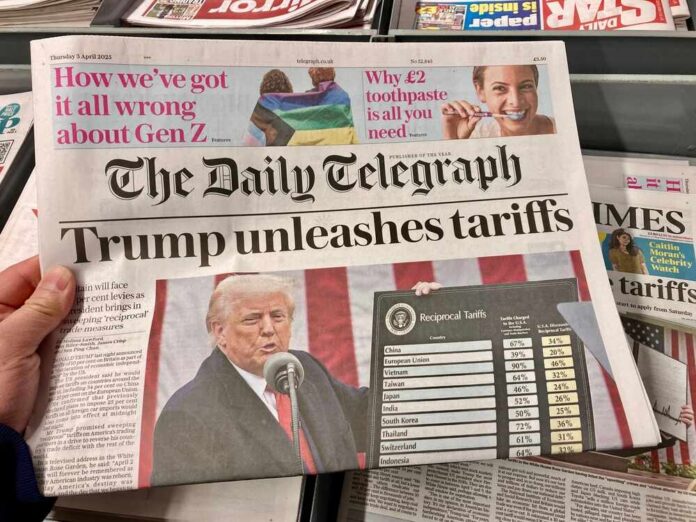
These actions extend Trump’s first-term protectionism, including 2018 steel and aluminum tariffs that bolstered domestic industries. His 2024 campaign promised 60% on China, 100% on Mexico, and 20% globally to reshore manufacturing and fund priorities like border security. In 2025, reciprocal tariffs hit China up to 145%, with exemptions secured via USMCA talks and India oil deals. De minimis loopholes closed, curbing cheap imports that undercut U.S. workers. Persistent trade deficits, stemming from post-WWII globalization, justify this aggressive stance against nations exploiting American markets.
Stakeholders and Power Plays
President Trump directs USTR to execute policy, bypassing Congress temporarily while pressuring lawmakers for long-term support. The Supreme Court checked executive overreach on IEEPA but faces tests on Section 122’s deficit claims. Trading partners retaliate or negotiate, as seen with prior concessions from Xi and Modi. U.S. businesses in autos and steel benefit from rebates, while workers gain from reshoring. Consumers may see short-term cost hikes, but exemptions mitigate inflation risks from fiscal mismanagement under prior regimes.
New 10% US tariffs have come into effect following the Supreme Court ruling on IEEPA last week…https://t.co/xgsTw6oksf#trade #tariffs
— Logistics Manager (@LogisticsManagr) February 24, 2026
Impacts and Expert Views Favor Protectionism
Short-term effects include higher import costs offset by exemptions, potential market volatility, and negotiation leverage ending around July 2026. Long-term, tariffs promise job growth and trade realignment covering over 50% of GDP through reciprocal deals. PIIE analysts view Section 122 as a temporary workaround, prepping 232/301 alternatives despite court risks over deficit severity. Proponents emphasize worker protection and fair trade; critics decry overreach, but Trump’s pattern of threats yielding concessions proves effective common-sense strategy.
Sources:
PIIE: What Supreme Court’s Tariff Ruling Changes—and What It Doesn’t
White House Fact Sheet: President Donald J. Trump Imposes a Temporary Import Duty
Wikipedia: Tariffs in the second Trump administration
Supreme Court Opinion: Learning Resources, Inc. v. Trump
PIIE: How Will Trump’s New 15 Percent Tariff Fare in Court?
USTR: Presidential Tariff Actions