
US Navy destroyers repelled a ferocious Iranian barrage to escort vital commercial ships through the Strait of Hormuz, launching President Trump’s bold Project Freedom amid a fragile ceasefire.
Story Highlights
- USS Truxtun and USS Mason successfully transited the strait under heavy Iranian missile, drone, and small boat attacks, entering the Persian Gulf with Apache support.
- Project Freedom, directed by Trump, deploys destroyers, over 100 aircraft, unmanned platforms, and 15,000 personnel to restore navigation freedom in the global oil chokepoint.
- Iran targeted UAE assets for the first time post-ceasefire, testing US resolve while the ceasefire holds “for now,” per Defense Secretary Hegseth.
- Two US-flagged vessels passed safely, defying IRGC threats and underscoring American military superiority against asymmetric aggression.
Project Freedom Launches Under Fire
USS Truxtun (DDG-103) and USS Mason (DDG-87) led the initial escort of two commercial vessels through the Strait of Hormuz on May 4-5, 2026. Iranian Revolutionary Guard Corps (IRGC) Navy forces unleashed a sustained barrage of missiles, attack drones, and small boats. US Apache helicopters provided critical support, enabling the destroyers to repel the assault and reach the Persian Gulf. This operation marked the debut of Project Freedom, a US Central Command (CENTCOM) initiative to secure the 21-mile-wide chokepoint that carries 25% of global seaborne oil and LNG.
Trump’s Directive Counters Iranian Aggression
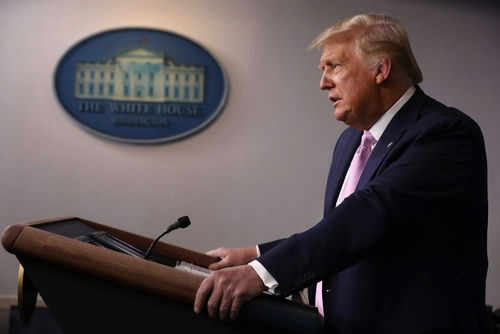
President Trump ordered Project Freedom to reopen the strait, enforcing a US naval blockade on Iranian ports while aiding neutral shipping. CENTCOM, under Adm. Brad Cooper, deployed over 100 aircraft, unmanned platforms, and 15,000 personnel starting May 4. The mission prioritizes air defense, surveillance, and mine-clearing to protect commercial transits from Arabian Sea positions. Iran’s first post-ceasefire strikes on UAE targets and transiting ships signal IRGC efforts to assert control, but US forces demonstrated decisive superiority without reported casualties.
Strategic Victory Amid Ceasefire Fragility
The successful transit followed CENTCOM’s May 3 announcement and built on April operations with USS Frank E. Petersen Jr. and USS Michael Murphy, which prepared mine-clearing without direct fire. Approximately 30 ships have passed recently, but risks persist. Defense officials confirmed the barrage was repelled, with two US-flagged vessels entering safely. Pete Hegseth stated the ceasefire holds for now, yet Iran’s actions heighten escalation risks. This tests post-ceasefire norms, protecting trillions in trade from IRGC denial tactics rooted in 1979 Revolution hostilities.
Global energy markets face volatility from disruptions, with potential oil and LNG price spikes. Gulf allies like the UAE, hosting US assets, remain vulnerable to spillover. Commercial shipping relies on US escorts, as stranded vessels deplete supplies. Domestically, the operation bolsters support for Trump’s America First posture, prioritizing economic security over endless diplomacy with Tehran hardliners.
Economic Stakes and Broader Implications
The Strait of Hormuz blockade, stemming from February 28, 2026 escalations, stranded ships and fueled inflation fears at home. Project Freedom normalizes US presence, weakening IRGC influence without seeking permanent conflict. Skeptics note no lasting fix absent diplomacy, yet the defensive posture aligns with limited government intervention to safeguard free navigation—a principle echoing founding commitments to commerce and liberty. Americans on both sides weary of elite-driven foreign entanglements see this as essential defense of prosperity against foreign adventurism.
Sources:
Fox News live coverage on Trump-Iran Project Freedom Strait Hormuz May 5
US Military Supports Launch of Project Freedom in Strait of Hormuz (CENTCOM.mil)
Iran threatens American ships if they enter Hormuz as US kicks off Project Freedom (Times of Israel)
Hormuz Project Freedom US (UNI India)
US Warships Destroyers Mines Risky Strait Hormuz Mission 2026-4 (Business Insider)