
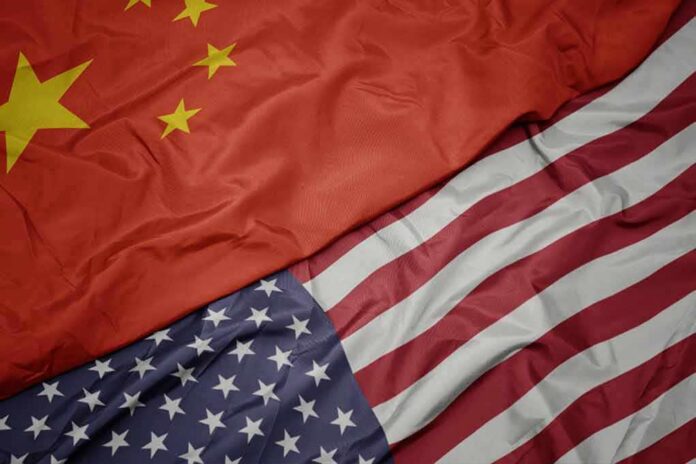
President Trump will host China’s Xi Jinping in Washington for talks on trade, Taiwan, Iran, and artificial intelligence, capped by a White House state dinner.
Story Highlights
- Trump and Xi plan meetings in Washington with a White House arrival ceremony and state dinner.
- Talks will cover trade, Taiwan, Iran, and global artificial intelligence risks.
- Officials say Trump will greet Xi at Joint Base Andrews on arrival.
- China has not consistently confirmed the visit in public statements.
Planned State Visit and Protocol Details
White House planning calls for President Trump and First Lady Melania Trump to welcome President Xi Jinping and Peng Liyuan in Washington for a formal state visit. Reports describe an arrival ceremony, bilateral meetings, and a state dinner at the White House. ABC News and regional outlets outlined a two-day schedule centered on Thursday events, with the ceremony on the South Lawn and evening festivities at the residence. Trump has said the visit will include a state dinner on September 24.
Senior officials told reporters that Trump plans to greet Xi at Joint Base Andrews when his aircraft lands in the Washington area. That greeting would signal an effort to stabilize ties and manage tensions before the formal meetings begin downtown. Reuters reported that this visit will be the leaders’ second meeting this year and that both sides want steadier ties after months of strain over trade, technology, and security issues.
Agenda: Trade, Technology, Taiwan, and Iran
Officials and media reports say the agenda will span trade terms, cross-Strait tensions around Taiwan, Iran’s regional role, and the fast-moving risks of artificial intelligence. Reuters said both governments are looking to calm markets and reduce surprises as they explore possible steps on tariffs and non-tariff barriers. The United States Trade Representative has pointed to possible announcements on agriculture and standards that shape day-to-day business flows.
Talks may also test limited tariff relief on select goods, which could ease pressure on some consumers and firms. Bloomberg reported the two sides discussed potential tariff reductions, but no signed terms have been released. That keeps expectations focused on small steps rather than sweeping deals. The pattern in past summits has favored risk reduction and time-buying measures over major breakthroughs on core disputes like export controls and advanced chips.
Artificial Intelligence and Executive Outreach
Artificial intelligence will be on the table as both sides weigh safety, misuse, and national security risks. CNN reported that U.S. officials considered a side meeting with technology executives during Xi’s visit, but said no schedule was final. CBS News highlighted broad public concern about artificial intelligence. Any progress is likely to involve dialogue channels or shared safety principles rather than binding rules, given the sensitive role of semiconductors and data in security and trade.
Trump and Xi sitting down in Washington with trade, AI, Iran, and Taiwan on the table is a pretty big deal.
This isn’t just another trade meeting. The U.S. and China are competing over technology and critical minerals while trying to prevent their economic relationship from…
— Ch1ck3nH00k (@Funker_Dev) September 20, 2026
China has not consistently confirmed the visit in public statements, even as U.S. officials move forward with plans. CNBC noted that Beijing’s public posture can lag private diplomacy, which can leave timing and optics to U.S. announcements. That gap does not change the working U.S. schedule but can shape how each side frames the trip at home and abroad. This split-screen approach is common in high-stakes state visits.
Why This Matters for Americans
Food prices, energy costs, and factory jobs all connect to what leaders decide on trade and technology. Tariff relief on even a narrow set of goods could trim prices for families and inputs for small firms. Clearer rules on artificial intelligence could protect privacy and reduce scams. Guardrails around Taiwan and Iran could lower the risk of shocks that raise gas prices or unsettle markets. These are practical stakes beyond headlines and political theater.
Expectations and Realistic Outcomes
Past meetings between U.S. and Chinese leaders often deliver steps that cool tensions rather than solve the hardest fights. Analysts at policy institutes say the most likely outcomes are limited concessions, working groups, or extended truces that keep dialogue open. That may frustrate people on both left and right who want faster relief from high costs or clearer lines against unfair practices. But even narrow agreements can help steady the path ahead.
Sources:
facebook.com, reuters.com, abcnews.com, cnbc.com, chosun.com, businesstimes.com.sg, livemint.com, bbc.com, chinafile.com