
Spain’s tiny city of Ceuta was suddenly flooded by tens of thousands of migrants in a single day, turning a border incident into a full-blown humanitarian and security crisis on Europe’s doorstep.
Story Snapshot
- About 49,000–60,000 migrants surged into Spain’s enclave of Ceuta from Morocco in roughly 24 hours, overwhelming the city.
- Ceuta’s president and police called the situation “total chaos” and urged Madrid to declare a national emergency and send in the army.
- Reception centers collapsed under the strain, forcing many migrants to sleep in parks, on sidewalks, and on beaches with little food or water.
- Dozens drowned or were crushed during the crossing, while Spain rushed troops to the border and began mass returns to Morocco.
Ceuta’s Sudden Surge: What Happened At The Border
On July 30, Spain’s North African enclave of Ceuta saw an extraordinary rush of migrants crossing from nearby Morocco by land and sea. Spanish officials later estimated that about 49,000 people entered the tiny territory in just 24 hours, with some reports and local leaders putting the figure closer to 60,000. Many swam around the Tarajal breakwater or walked along the shoreline at low tide, echoing but far surpassing the 8,000-person surge seen in 2021.
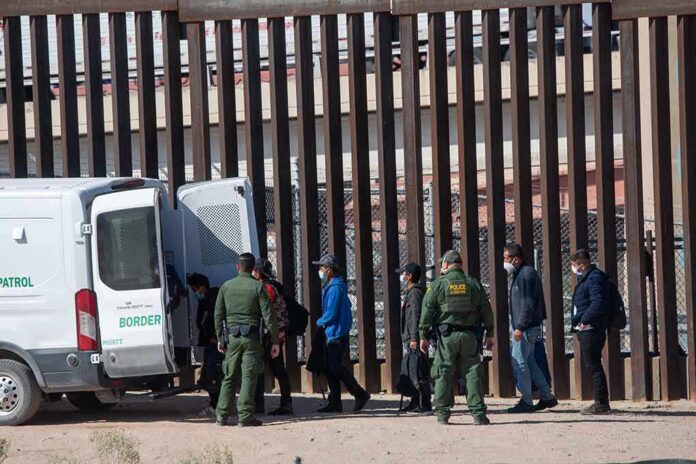
Ceuta’s local president, Juan Jesús Vivas, warned that the city was facing a “total humanitarian and social emergency” and pleaded with Madrid to declare a national emergency. Videos from Tarajal beach showed crowds of mostly young men streaming past breakwaters and border fencing, with police struggling to keep control. Spain responded by deploying troops and extra Civil Guard officers to Ceuta, turning the enclave into the latest frontline of Europe’s migration crisis.
Humanitarian Breakdown Inside A Small City
Ceuta is a compact territory, only a few miles long, and its shelter system was never designed for tens of thousands of arrivals at once. Local authorities said reception centers were overwhelmed, forcing hundreds and then thousands of migrants to sleep in public parks, on sidewalks, and on the city’s beaches. A Civil Guard workers’ representative described “thousands of migrants, including unaccompanied children” left wandering streets without clear access to food, toilets, or medical care.
Reporters on the ground noted that quiet streets turned into open-air camps, with barefoot youths resting under trees or on concrete. Many arrivals soon discovered there was no work, no quick path into mainland Europe, and no capacity to house them, leading large numbers to turn back toward Morocco voluntarily. This visible breakdown fed anger among Ceuta residents, who felt their city had been “turned upside down,” and reinforced wider fears in Europe that its borders and basic services can be overwhelmed in a matter of hours.
Deaths, Returns, And Blame: How Authorities Responded
The crossing was deadly as well as chaotic. Local and national officials reported at least 18 deaths early on, later rising to more than 30 and then over 50, with people drowning offshore or being crushed against breakwaters while trying to climb toward the fence. Bodies were recovered on the Spanish side, and more casualties were feared in Moroccan waters, underscoring the human cost of a system that seems to fail both residents and migrants at once.
Fact Check: Video PREDATES July 30, 2026, Migrant Influx To Ceuta, Spain https://t.co/pckxMYHBTq
— Lead Stories (@LeadStoriesCom) August 1, 2026
By Friday, Spain said a majority of those who had entered Ceuta had already returned to Morocco, many on their own after seeing the harsh conditions. Spanish Prime Minister Pedro Sánchez and other officials blamed trafficking networks and social media rumors, including misreadings of a recent Supreme Court ruling that limited quick sea returns without due process. Some analysts pointed to wider economic pain in Morocco and tensions over Spain’s foreign policy, while a growing chorus in Europe warned that the crisis showed how fragile border control and humanitarian planning have become.
Why This Matters Far Beyond Spain
This episode fits a broader pattern that many Americans will recognize: a small border community faces a sudden surge, national leaders argue over blame, and ordinary people on both sides feel abandoned by distant elites. European media described Ceuta’s situation as both a security collapse and a humanitarian emergency, showing how law enforcement, courts, and social services can all be overwhelmed at the same time. Numbers were contested in real time, but everyone agreed the system broke down.
For conservatives in Europe and the United States, this looks like another example of borders not being defended and local citizens paying the price. For many liberals, it looks like a failure to plan humane, legal paths for desperate people, forcing them into deadly crossings. Both views share one core worry: governments knew the pressures and the legal changes, yet still allowed a small city to reach a point where tens of thousands of people arrived in a day, dozens died, and basic order and dignity collapsed. That shared frustration is why Ceuta’s crisis is not just Spain’s problem, but a warning sign for any country that trusts distant leaders to keep both borders and human rights in balance.
Sources:
townhall.com, lemonde.fr, english.elpais.com, reuters.com, bbc.com, theguardian.com, aljazeera.com, nypost.com