Paraguay’s president quit after a major bank collapse froze millions of accounts and sparked street protests and impeachment moves.
Story Snapshot
- President Santiago Peña resigned as lawmakers advanced impeachment after Ueno Bank collapsed.
- Paraguay’s Central Bank seized Ueno, citing a severe capital shortfall and solvency failure.
- Millions of customers faced frozen or restricted access to savings and pensions, fueling protests.
- Peña said he stepped down to protect stability and safeguard depositors’ savings.
What Happened: Resignation Amid Financial Turmoil
President Santiago Peña announced his resignation after Paraguay’s Congress opened impeachment proceedings tied to the failure of Ueno Bank. Lawmakers in the lower chamber moved the process forward, while crowds gathered outside demanding accountability. Peña framed his decision as an effort to maintain stability and protect democratic institutions as the crisis unfolded. His exit reflected fast-rising pressure inside Congress and on the streets, where many blamed leaders for not preventing the shock to everyday savers.
Paraguay’s Central Bank had taken control of Ueno after finding it lacked the capital needed to cover mounting losses. Regulators said the bank fell far below required solvency levels, which triggered resolution steps to shield the wider system. The move aimed to transfer or wind down accounts in an orderly way. But the action also locked or limited access for millions who used Ueno for daily banking and pensions, increasing anger and fear across the country.
Why It Matters: Savings Frozen, Protests Grow
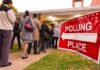
Customers waited in long lines and reported restricted access to funds, creating anxiety for families and retirees. The shock spread beyond Ueno’s balance sheet because the bank handled large volumes of public and private money. Protesters pressed for leadership changes and demanded answers on how their savings would be recovered. These scenes pushed lawmakers to escalate oversight and accountability, turning a bank failure into a fast-moving political crisis that upended the presidency in days, not months.
Peña’s links to Ueno added fuel to the political fire. Reports described former or business ties between Peña and the lender, which sharpened conflict-of-interest claims from opponents. Those ties did not, by themselves, prove he caused the collapse, but they made it harder to calm the public and his own allies in the ruling party. As pressure grew, key political figures withdrew support, and impeachment gained traction, narrowing the president’s options to either fight and risk removal or resign.
Official Rationale: Stability Over Office
In a video message, Peña said he stepped down to protect stability, social peace, and democratic institutions. He highlighted the need to secure depositors’ savings and public funds, presenting resignation as a step to speed recovery and reduce turmoil. That framing aimed to cool tensions and reassure markets and citizens. While resignation shows the weight of the crisis, it does not resolve questions about oversight, risk controls, and how losses will be shared between investors, the state, and customers.
Paraguay has walked this road before. Past banking crises, including a wave from the mid-1990s to the early 2000s, followed weak supervision and left deep economic scars. Those episodes saw large deposit runs, heavy public costs, and political fallout. Today’s collapse fits that pattern of financial stress feeding rapid political change. Impeachment in Paraguay also has a history as a swift tool used when presidents lose legislative support, which helps explain the speed of events this week.
What Comes Next: Restoring Confidence and Cash Flow
Regulators now face two urgent tasks. First, they must complete the resolution of Ueno in a way that restores access to savings and pension payments for everyday people. Second, they must show clear, public steps to strengthen bank oversight so this does not repeat. Lawmakers will keep pressing for accountability. The test is whether leaders can deliver cash flow back to households and rebuild trust in the rules that are supposed to keep private risk from wrecking public lives.
Sources:
youtube.com, bbc.com, cbc.ca, dw.com, upi.com, fidelity.com