On the eve of voting, the Justice Department asked the Supreme Court to set aside thousands of California ballots tied to a federal list of suspected noncitizens—a request courts and state officials say could disenfranchise lawful voters if the data is wrong.
Story Snapshot
- The Justice Department asked the Supreme Court to require California to separate ballots from about 20,000 flagged registrants pending citizenship checks.
- Federal lawyers argue once those ballots are mixed in, they cannot be recovered, so a temporary hold is needed.
- California officials and a judge say the list appears unreliable and the fix would disrupt an election already underway.
- An independent analysis reported large mismatches between the federal list and the state voter file.
What the Administration Asked the Supreme Court to Do
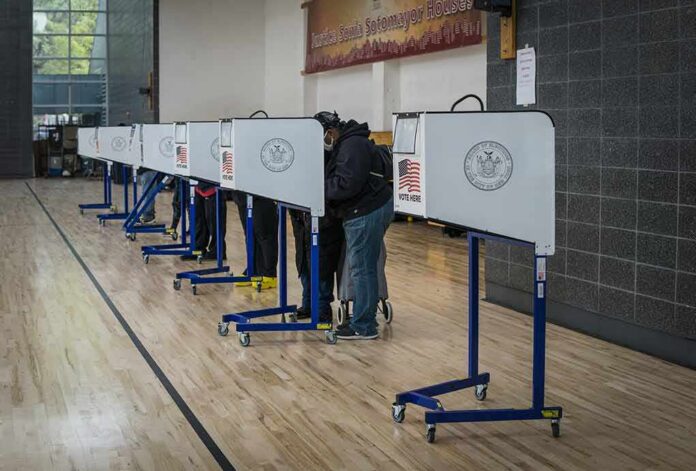
On November 2, the Justice Department asked the Supreme Court for an emergency order in a California ballot fight. The administration said a federal list identified about 20,000 registered voters who may be noncitizens. It did not seek to toss votes outright. It asked the Court to make California set aside ballots linked to those names until each voter’s citizenship was verified. The filing said this was a limited, temporary remedy to protect federal election rules.
Solicitor General D. John Sauer argued that time is the key risk. He said if counties count these ballots now, the votes will be mixed with others and cannot be pulled back. He called that harm irreversible. The application framed segregation as a modest step that preserves all legal votes while checks occur. It relied on federal laws that bar noncitizen voting in federal races and stressed cooperation with homeland security agencies that helped assemble the list.
How California Officials and Courts Responded
California leaders pushed back and said the federal government did not show proof that the flagged people are noncitizens. The Secretary of State said the request looked like an attempt to access protected voter data and to purge rolls. Los Angeles County officials reviewed a subset of about 200 names and said many appeared to be United States-born citizens. A federal judge rejected the request to halt counting, warning that it could disenfranchise legitimate voters and sow confusion in an active election.
Judicial criticism focused on timing and reliability. The judge said vague descriptions of the federal data-matching process and similar unreliable claims elsewhere cut against granting relief. State and local offices added that separating ballots days before Election Day would be unlawful and not feasible. They said doing so risked blocking valid votes from being counted on time. Those concerns track a broader principle that courts avoid changing election rules right before voting because it can create chaos.
What Independent Review Says About the List
A research team reported that 8,880 names on the federal list did not match anyone in California’s current voter file, which equals 42 percent. The same analysis identified at least 22 people on the list as confirmed United States citizens. It also estimated that nearly 7,500 naturalized citizens in California could be wrongly flagged if the government’s method were applied at scale. These findings raise clear accuracy questions about treating a list flag as enough to hold a ballot.
Data-matching errors are a known risk in election work. Government reviews and academic studies show that records often lack unique identifiers and can create false matches. That can lead to targeting the wrong person. The potential harm grows when action comes late in the calendar, with ballots already in the system. Both facts matter here: the government claims a duty to stop ineligible votes, while the state warns that a flawed list and late changes could block eligible citizens and shake public trust.
Why This Fight Matters for Voters of All Stripes
People across the political spectrum want two things at once: only eligible citizens should vote, and every eligible citizen’s ballot should count. This case spotlights that tension. The Justice Department claims it found a concrete set of possible problems and asks for a narrow hold to prevent an irreversible error in counting. California and a federal judge question the list’s quality and the wisdom of changing rules during voting, citing the risk to lawful voters and election stability.
The core test for the Supreme Court is simple to state and hard to balance: Are the federal government’s red flags accurate enough to pause counting, and can that pause be done without harming lawful voters? The answer will turn on the strength of the evidence, the feasibility of ballot segregation, and the Court’s caution about late election changes. However the Court rules, the message to officials should be clear: prove the data, protect every valid vote, and act early enough to avoid last-minute turmoil.
Sources:
youtube.com, nytimes.com, edition.cnn.com, justice.gov, cbsnews.com, argusleader.com