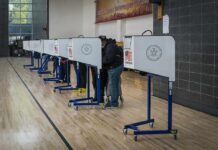

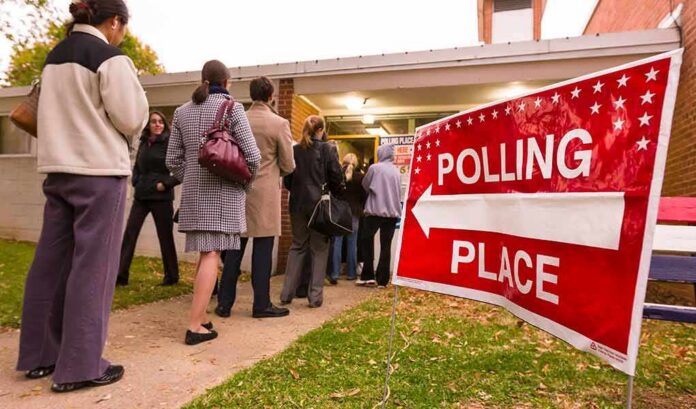
Across Ohio, Michigan, and Texas, Election Day voting is underway today on a legally locked-in schedule that leaves little room for excuses.
Story Snapshot
- Ohio, Michigan, and Texas hold general elections today, November 3, 2026.
- Ohio polls run 6:30 a.m. to 7:30 p.m.; Texas polls run 7:00 a.m. to 7:00 p.m..
- Michigan identifies today as its general election, with early voting already completed.
- Federal agencies align calendars with today’s election activity in these states.
What Is Officially Happening Today
State election calendars show voters in Ohio, Michigan, and Texas are casting ballots today, November 3, 2026. Ohio’s schedule sets the General and Special Election for today, with polls open from 6:30 a.m. to 7:30 p.m.. Texas designates today as Election Day and sets statewide polling hours from 7:00 a.m. to 7:00 p.m.. Michigan lists today as the general election date on its statewide calendar. These notices establish the legal timetable for in-person voting across the three states.
Michigan’s election portal also highlights its constitutionally required early voting period, which ran from October 24 through November 1, ending ahead of today’s in-person voting. The Federal Voting Assistance Program’s 2026 calendar identifies today as the nationwide general election date and confirms that Ohio, Michigan, and Texas are active participants this year. The Federal Election Commission’s activity schedule tracks federal election periods through today for Ohio and Texas, further aligning state and federal timelines.
Why Polling Hours Differ By State
Ohio and Texas follow different polling hours because each state sets its own election rules under the United States Constitution. Ohio opens at 6:30 a.m. and closes at 7:30 p.m., while Texas runs from 7:00 a.m. to 7:00 p.m.. Michigan has its own rules and posted the statewide date on its calendar. These differences are normal. They reflect local law, not special treatment. Clear hours reduce confusion and help election workers keep lines moving.
For voters, the practical takeaway is simple: check your state’s posted time and get in line before closing. If you are in line when polls close, you can still vote in most places. Michigan also used an early voting window to reduce crowding on Election Day. Ohio and Texas maintain other voting options under their rules, including absentee and provisional processes. Those streams follow their own deadlines and handling steps set by state law.
How Today Fits The Bigger System
Today’s schedules mark the public face of a much larger system that runs behind the scenes. County officials manage polling places, equipment, and staff. Research using more than 66,000 polling-place incident logs shows that problems rise with ballot volume and complex tasks, while experienced staff and organized processing reduce issues. That is why states post clear hours and procedures. Strong planning helps prevent small delays from becoming major breakdowns.
US Midterm Elections: Voting Underway on November 3, 2026
Americans are voting today in the 2026 midterm elections, held midway through President Donald Trump’s second term. These contests will determine control of Congress for the remaining two years of the administration and…
— Deimos News (@DeimosNewsUSA) November 3, 2026
This matters beyond party lines. Many Americans worry that government systems feel unresponsive or serve insiders first. Elections are the one place where the process must work for everyone, every time. Clear rules, posted hours, and visible steps to count every lawful ballot are basic promises. Today’s aligned calendars from state offices and federal agencies set the floor for those promises, even as counties handle the hands-on work that voters see.
What To Watch As Results Roll In
As polls close, do not expect every vote to be counted at once. States process different ballot types on different clocks. That is normal and allowed by law. Michigan’s early votes are part of the mix, while Ohio and Texas manage absentee and provisional ballots under their own rules. The key is that counting follows posted procedures. Official results come after canvassing and certification, which are separate legal steps that finalize the totals.
Sources:
youtube.com, ohiosos.gov, sos.texas.gov, michigan.gov, fvap.gov, fec.gov