
The FBI says it dismantled four massive scam compounds, seized billions, and freed trafficked workers in a global sweep.
Story Highlights
- FBI announces Operation Blackout took down four of the largest scam compounds and seized $15.2 billion
- Justice Department confirms at least 276 arrests tied to coordinated takedowns
- Reports cite more than 127,000 bitcoin seized, worth about $8 billion
- Officials say thousands of forced workers were rescued; full records are still limited
What Operation Blackout Achieved, According to Officials
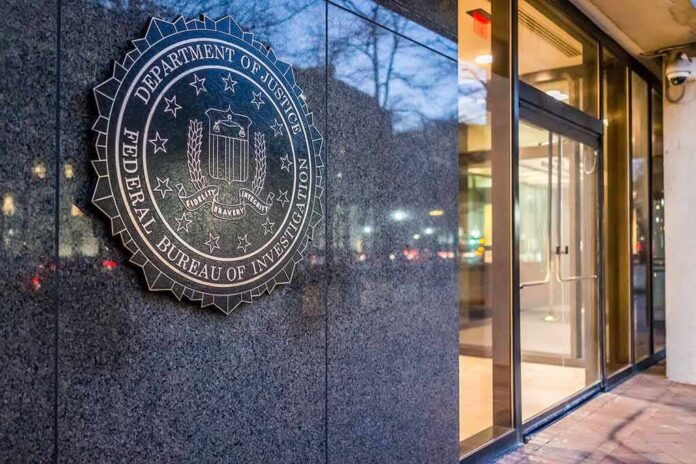
The Federal Bureau of Investigation (FBI) says Operation Blackout took down four of the “largest scam compounds on Earth,” seized $15.2 billion in assets, and freed thousands of forced laborers. The claim came at the end of July and followed months of raids with foreign partners across several regions. FBI Director Kash Patel promoted the results and named sub-operations, framing the action as a milestone against industrial-scale fraud that drained savings from victims worldwide.
The Department of Justice (DOJ) provided a firmer floor of facts earlier in the campaign. A DOJ release reported at least 276 arrests and described charges against alleged managers and recruiters tied to scam centers. That filing confirmed a coordinated takedown and showed ties to specific companies through charging documents. It did not cover every headline figure, but it established that law enforcement hit real networks, not a media stunt.
The Money Trail and Seizures Cited by Multiple Outlets
Coverage and official statements say authorities seized over 127,000 bitcoin as part of the crackdown, valued near $8 billion at the time. Crypto-focused outlets and compliance media reported the same figure and called it a record haul linked to the scam-compound ecosystem. Those numbers align with the FBI’s larger asset total cited later, though the public record here does not include a full, line-by-line asset schedule that breaks down every seizure for audit by the public.
The Justice Department’s Scam Center Strike Force page shows this is not a one-off. The Strike Force was formed in 2025 to target the worst scam compounds in Southeast Asia and to focus on leaders, including organized crime affiliates, who run these operations. That sustained posture supports the idea that Operation Blackout sits inside a longer campaign with repeat actions, cases, and victim outreach programs. The FBI’s victim pages also point to ongoing efforts against crypto investment scams.
Human Impact, Forced Labor, and What We Still Do Not Know
Officials and reports say thousands of people were forced to work in these compounds and were rescued during the raids. These accounts describe passports taken, threats, and debt bondage. The records supplied here, however, do not include sworn victim statements or trafficking indictments tied to each named site. The lack of those detailed documents in public view does not erase the claims, but it means the strongest facts rest on official statements and selected media reports for now.
FBI Says Operation Blackout Seized $15.2 Billion, Freed Thousands From Scam Compounds
The FBI announced on July 31 it dismantled four major scam compound networks under Operation Blackout, seizing $15.https://t.co/Ig3qjOu0by#UnbiasedHeadlines #News pic.twitter.com/AUtPYBKXnt
— Unbiased Headlines (@UnbiasedHdlns) August 3, 2026
For families on both the left and right, the bottom line is practical. Scam compounds prey on trust, steal life savings, and move money through fast channels that dodge weak controls. When arrests and seizures happen, Americans want proof the pain will stop. The DOJ’s arrests and the FBI’s large number claims point to a major push. Independent audits and court filings will show how much money was truly seized and how many people were actually freed over time.
Why This Matters for Everyday Americans
Phone texts, social messages, and fake investment pitches target retirees, new investors, and small business owners. The losses can erase a nest egg in days. The FBI’s guidance asks victims to stop sending money and report to the Internet Crime Complaint Center at ic3.gov. That step helps agents trace funds and connect cases across borders. The Strike Force’s focus on leaders, not just low-level callers, suggests more arrests and asset recoveries could follow.
Accountability, Transparency, and Next Steps
Both supporters and skeptics should want the same thing now: documentation. Asset forfeiture filings can verify the $15.2 billion total and the bitcoin count. Charging documents and victim affidavits can confirm how the compounds worked and who ran them. The DOJ release on arrests is a start, but a full paper trail would build trust across the aisle. Until then, treat the DOJ-verified arrests as solid, and the larger superlative claims as promising but still awaiting full public backup.
Sources:
zerohedge.com, amlintelligence.com, cautellus.com, facebook.com, fbi.gov, justice.gov, youtube.com, x.com