
On one of the world’s highest peaks, a deadly avalanche just turned a dream climb into a global search for answers and survivors.
Story Snapshot
- Officials recovered the remains of American climber Sarah Mallory Geis after an avalanche on Broad Peak in Pakistan.
- At least three other climbers’ bodies have been found, while several teammates from multiple countries remain missing.
- Rescue crews face brutal weather, thin air, and dangerous terrain as they keep searching the Karakoram mountain.
- The tragedy highlights how far volunteers and local teams must go when nature turns deadly and systems are stretched thin.
Deadly Avalanche Claims American Climber And Others
Pakistani officials say the remains of American mountain climber Sarah Mallory Geis were found Friday on Broad Peak, a giant 26,000‑plus‑foot mountain in Pakistan’s Karakoram range. Geis was part of a 10‑person international team that went missing after a reported avalanche hit the group around midday Thursday, cutting all contact with base camp. The slide struck while the climbers were high on the mountain, leaving them exposed to falling snow, ice, and rock with almost no chance to escape.
Authorities report that rescue teams have also recovered the remains of Omani climber Nadhira Ahmed Abdullah Al Harthy and Nepali climber Pur Bahadur Gurung from the same avalanche zone. Drone footage and ground searches suggest that more bodies may still be buried or lying on the slope, but exact numbers and identities have not yet been confirmed. The remaining missing climbers include citizens of Nepal, Pakistan, China, and the United Kingdom, reflecting how global high‑altitude climbing has become.
Rescue Efforts In Extreme Karakoram Conditions
The Alpine Club of Pakistan, the country’s main mountaineering group, says it lost contact with the entire team soon after the avalanche was reported and quickly requested search and rescue support from government agencies. Two Pakistan Army aviation helicopters were sent to the area, while high‑altitude porters and other rescuers began climbing into the slide path from below. Officials stress that every possible rescue resource is being used, but flights and ground efforts depend on weather and safety conditions on the steep, unstable slopes.
Rescue operations have already been paused at times due to strong winds, poor visibility, and fresh snow that raise the risk of more avalanches. Police in the Gilgit‑Baltistan region, which oversees the Broad Peak area, said teams are moving with “utmost caution” because the terrain is extremely rugged and the weather keeps changing. At high altitude, even simple tasks like digging or carrying a stretcher become exhausting, and helicopters struggle to hover and land in the thin air and narrow valleys.
Who Was Climbing Broad Peak And Why It Is So Dangerous
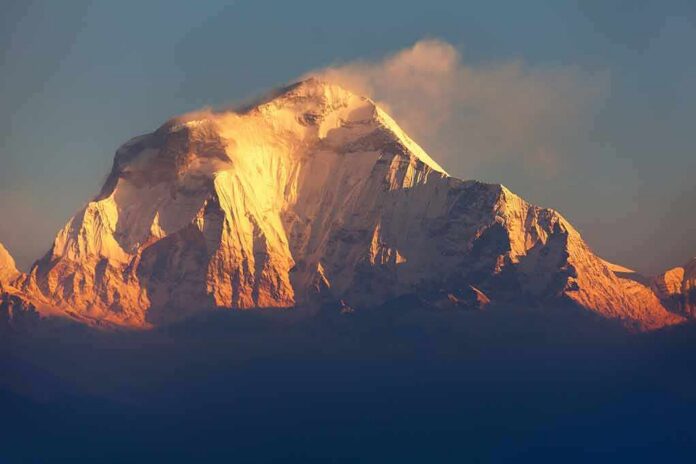
The missing team includes five Nepalese mountaineers led by famous climber Nirmal “Nims” Purja, along with Pakistani climber Sohail Sakhi of Hunza, an Omani climber, American climber Geis, a Chinese climber, and one other foreign climber. Broad Peak is the world’s twelfth‑highest mountain and sits near the border with China, in one of the most remote corners of Asia. Climbers come here chasing major goals and personal dreams, but they face thin air, freezing temperatures, and slopes where small changes in weather can trigger huge avalanches.
Broad Peak already has a long record of deadly accidents, with dozens of climbers killed over the years. High‑altitude avalanches can release massive tons of snow and ice, sweeping climbers down thousands of feet in seconds. Because the mountain is so remote, there are no quick hospital runs or large rescue teams ready nearby. Local porters, guides, and a small number of military helicopters often carry most of the burden, even as they risk their own lives trying to help trapped or injured climbers.
Global Grief And Questions About Risk And Support
Back home in Texas, Geis’ family and friends are mourning the loss of the 39‑year‑old American, who was known as an adventurous traveler and devoted climber. She joined the expedition for the challenge and beauty of Broad Peak, like many people who still believe in the classic idea of testing yourself against nature. Now her story is part of a larger tragedy that stretches across Oman, Nepal, Pakistan, China, the United Kingdom, and the global climbing community, which is sharing tributes and shock online as more news emerges.
BREAKING: Renowned Nepali mountaineer Nirmal 'Nimsdai' Purja has officially been declared dead following the devastating avalanche on Broad Peak (8,047 m) in Pakistan’s Karakoram. Further details to follow.
I know how much Nims meant to me, and to so many people.
He wasn’t… https://t.co/E9y2pDtxF5 pic.twitter.com/VhHqEWynes— Neha Gurung (@nehaGurung1692) August 1, 2026
This disaster also feeds a growing feeling many Americans already share: when things go wrong in far‑off places or harsh environments, help can be slow, patchy, and dependent on small groups rather than strong systems. Volunteer climbers, local police, and army pilots are doing brave work on Broad Peak, but they are fighting nature with limited tools in extreme conditions. Their struggle raises hard questions about how much support ordinary people really have when they chase big dreams in a world where risk is often theirs alone.
Sources:
foxnews.com, gulftoday.ae, alpinist.com, explorersweb.com, yahoo.com