
New Yorkers may soon need to flash an ID just to buy discounted groceries at Mayor Zohran Mamdani’s new taxpayer-funded stores, even as the same city fights efforts to require ID at the ballot box.
Story Snapshot
- Mayor Mamdani unveiled five city-owned grocery stores, one per borough, offering 30% discounts on core staples.
- Reports say the city is weighing a membership card or ID system to access the discounted prices.
- Critics call the plan a “ration shop” scheme and compare it to Soviet-style price controls.
- Small grocers and bodega owners have filed suit, fearing taxpayer-subsidized competition will crush them.
- Economists question whether the $70 million plan can survive on razor-thin grocery profit margins.
Five City-Run Stores Promise 30 Percent Discounts
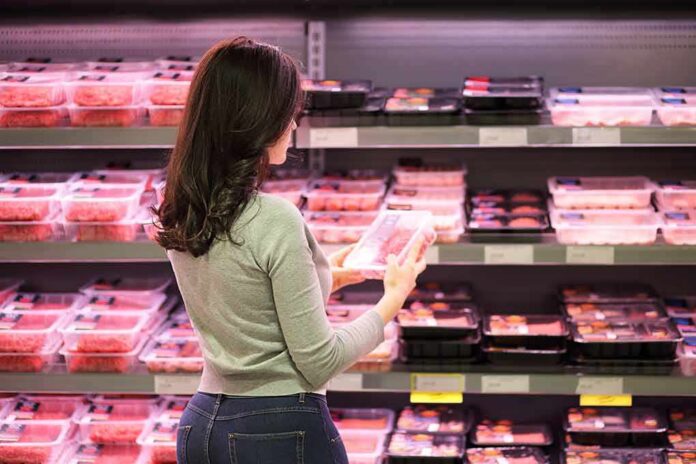
Mayor Zohran Mamdani, joined by Deputy Mayor Julie Su and city economic officials, announced that five government-run grocery stores will sell a “core basket” of food 30% below typical retail prices. The discount covers fresh produce, meat, seafood, milk, eggs, bread, and roughly 20 other staples. Mamdani says the savings will hold steady for an entire month with “no exceptions, no gimmicks”.
The city plans to open the first store in a borough like the Bronx by late 2027, with all five running by the end of Mamdani’s first term. Private operators will run daily business, but the city owns the buildings, covers property taxes, and pays for construction. Operators must sign contracts requiring them to pass the discount on to shoppers.
Reports Point to ID Cards for Discounted Buys
Social media posts and early reporting suggest the city is considering a membership card or ID-style system tied to the discounted stores, possibly to limit purchases to city residents. Critics online wasted no time pointing out the irony: New York City has fought hard against requiring photo ID to vote, yet may now demand identification just to buy cheap milk and bread. The comparison has fueled outrage among conservatives who see a double standard in how the city treats government trust versus government handouts.
Fox News and other outlets have already labeled the concept a government “ration shop,” a term that stings given its ties to communist-era rationing systems. The Associated Press reported that critics see the entire grocery scheme as a first step toward “communist bread lines” in the nation’s largest city. Whether or not the ID system moves forward, the optics alone have handed opponents a powerful talking point.
Small Businesses and Economists Sound the Alarm
A coalition of small supermarket operators and bodega owners has sued the city, arguing taxpayer dollars are being used to undercut their businesses. City Council Speaker Julie Menin has raised her own concerns about how the subsidized stores could hurt existing neighborhood grocers. Many of these small business owners say they already survive on razor-thin margins and cannot compete with government-backed pricing.
NYC Weighs ID-Style Card for Discounted Groceries at City-Run Stores
New York City is considering a membership card to control who buys subsidized food at its five planned municipal grocery stores.
The idea surfaced at Mayor Zohran Mamdani's July 27 announcement of a 30 percent… pic.twitter.com/TPWngHVIvY
— TWT UNLEASHED (@TWT_UNLEASHED) August 3, 2026
Joseph Hernandez, a Republican candidate for New York State Comptroller, noted that grocery stores typically run profit margins of just 1% to 3%, meaning a 30% discount could cost the city millions in losses every year. The New York Post reported the plan’s roughly $70 million price tag could instead buy more than one million Costco memberships, raising questions about whether this is the smartest way to fight high food prices. Forbes similarly asked whether the plan defies basic economics.
A Familiar Pattern of Government Price Control
The Mamdani grocery plan fits a pattern seen before: governments promising cheaper goods through public ownership, only to run into questions about cost, sustainability, and fairness to private competitors. Supporters say the stores will ease New York’s brutal cost of living. Skeptics say history shows government-run retail rarely scales well and often leaves taxpayers holding the bill long after the ribbon-cutting photo ops fade.
Sources:
twitchy.com, nyc.gov, apnews.com, washingtontimes.com, youtube.com, aljazeera.com, forbes.com, nypost.com, foxnews.com