
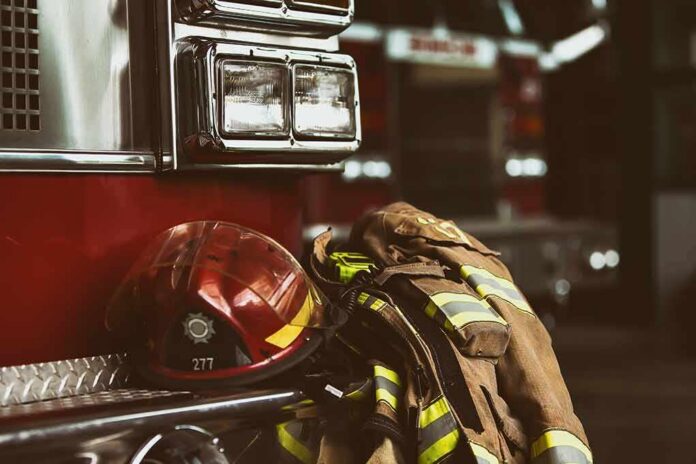
Eight people are dead after a Brooklyn apartment building collapsed at 1321 Flatbush Avenue, sending firefighters into a dangerous, all-night search through rubble.
Story Snapshot
- Firefighters launched a major rescue after reports of people trapped in a Flatbush building collapse.
- Officials reported rising casualties as searches continued, with deaths and injuries climbing over time.
- City records identified the site as a three-story mixed-use building with residential units.
- Investigators said the cause remained under review as multiple city agencies worked the scene.
What Happened at 1321 Flatbush Avenue
New York City’s first responders rushed to 1321 Flatbush Avenue after a 911 call at 4:01 p.m., where a mixed-use building had collapsed with people trapped inside, according to fire officials. The Fire Department of the City of New York sent a large technical-rescue team and began tunneling into debris to reach survivors. The structure was described in city records as a three-story building with residential units above ground-floor space, matching the scene of heavy damage and void searches.
The number of victims rose as firefighters and medics pulled people from the rubble. Officials updated totals through the night and into the next day, noting multiple deaths and many injuries, including at least one firefighter hurt during the operation. City agencies warned that counts could change while crews worked, and that some people might still be unaccounted for during the most intense rescue window.
How the Emergency Response Unfolded
Fire crews reported arriving within about a minute of the first call and immediately split into rescue groups to stabilize dangerous sections and search voids where people could survive. The New York City Police Department secured the perimeter, while the Department of Buildings sent engineers to assess hazards and advise on shoring and access. The American Red Cross set up a reception center for displaced residents, and utilities shut gas and power to reduce further risk.
Officials said more than two hundred responders rotated through the site as night fell, using listening devices, search cameras, and hand tools to avoid triggering secondary failure. Medical teams staged nearby to treat crush injuries and hypothermia from prolonged entrapment. Command staff tracked entry teams and controlled debris removal to protect potential survivable spaces. The careful pace reflected lessons from past collapses, where aggressive debris moves can cost lives.
What We Know—and Do Not Know—About Cause
Investigators began reviewing the building’s history and nearby construction activity soon after the collapse. Reports described excavation and demolition next door in recent months, as well as city enforcement actions at the adjacent site. However, city officials stated that the cause of the collapse had not been determined and remained under investigation by engineers and inspectors. That review will examine foundations, soil support, shoring, and any structural weaknesses documented before the failure.
“Just because we expect this courage from the FDNY does not make it any less extraordinary.”
NYC Mayor Zohran Mamdani praises first responders and construction workers who rush to save lives after a devastating building collapse in Brooklyn.
Some workers who barely survived the…
— John F .Kennedy Jr (@johnfkennedyjj) November 12, 2026
The Department of Buildings said it issued a stop-work order at the collapse site and would collect evidence for a formal report. Investigators will compare permit records, violation notices, and contractor responses with what the debris field shows. They will also look at how the building was maintained, including any open housing violations that could indicate water damage, settlement, or masonry decay over time. Findings will guide possible penalties and changes to work rules, if supported by facts.
Why This Matters to City Residents
Families in the building lost loved ones and homes in seconds, and neighbors watched the rescue unfold from sidewalks they walk every day. City leaders often urge trust in inspections and permits, but events like this renew fears that warning signs get missed or ignored. When casualty counts shift during a rescue, people can feel the system is chaotic or opaque. Officials urged patience while crews focused on saving lives and investigators worked toward a complete, accurate account.
What Comes Next
Rescue operations will give way to recovery, structural demolition, and a detailed engineering report. The city’s final tally and cause assessment will shape insurance claims, civil actions, and possible criminal charges, if warranted. Residents displaced by the collapse will need long-term housing help and case management. City agencies and elected officials will face pressure to tighten excavation oversight, improve complaint follow-up, and share timelines and records that show how decisions were made before the collapse.
Sources:
abc7news.com, ny1.com, abc12.com, nydailynews.com, abc7ny.com, whmi.com