
On Thanksgiving, a powerful storm cut electricity to more than 836,000 customers and forced New York City to postpone the Macy’s Parade for the first time in its century-long run.
Story Highlights
- Outages peaked above 836,000 customers nationwide in the afternoon of Thanksgiving.
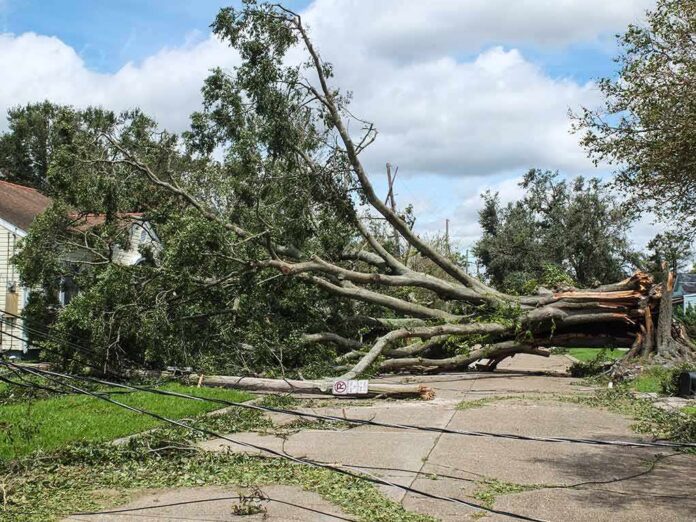
- Strong winds up to about 70 miles per hour toppled trees and power lines along the East Coast.
- New York City postponed the Macy’s Thanksgiving Day Parade due to wind, rain, and flooding risks.
- Travel snarls spread across airports with hundreds of cancellations and many delays.
Severe Weather Drives Widespread Power Outages
Reporters tracking grid data said more than 836,000 utility customers lacked power at about 4:06 p.m. Eastern time on Thanksgiving. The counts were highest in Virginia, Maryland, and Pennsylvania. Those states saw trees and lines come down in gusty squalls. The same storm knocked out power for hundreds of thousands more from North Carolina to New Jersey. These totals came from a real-time outage tracker used by many newsrooms to monitor large events.
Wind gusts reached close to 70 miles per hour in parts of the Mid-Atlantic and Northeast. Those speeds are enough to snap limbs and push shallow-rooted trees over. Crews faced blocked roads, standing water, and falling debris while trying to restore service. Utilities warned that saturated ground plus repeated gusts raise the risk that repairs take longer. Local broadcasters said coastal areas saw the roughest conditions, with street flooding near inlets and bays.
Parade Postponed and Travel Plans Upended
City officials and parade organizers postponed the Macy’s Thanksgiving Day Parade, citing heavy rain, strong winds, and flooding hazards. The event, long seen as a national holiday kickoff, moved off the holiday for the first time in one hundred years. The call aligned with wind warnings and safety rules for large balloons and floats on narrow Manhattan streets. Viewers were told to expect a Saturday event if conditions improved enough for a safe route and staging plan.
Airports along the East Coast logged hundreds of cancellations and more than one thousand delays during the peak travel period. Airlines shifted crews and equipment to work around the worst bands of wind and rain. Some carriers offered waivers to let passengers change plans without fees. Highway travel slowed under sheets of rain and pooling water, with speed restrictions on bridges. Rail riders also saw scattered service alerts as dispatchers limited speeds for safety.
Impacts Stretch Into the Midwest as Snow Builds
While the East saw wind and flooding, the Midwest faced heavy snow and more outages. Missouri and Illinois reported tens of thousands without power as the storm moved across colder air. Plow crews tried to keep major routes open, but blowing snow reduced visibility. Emergency managers urged people to delay nonessential trips, check on neighbors, and keep phones charged. Hospitals and care centers tested backup generators to protect patients who depend on powered medical equipment.
Officials across several states said public works teams cleared drains, checked seawalls, and closed low-lying roads when tides rose. First responders fielded calls for downed wires and trapped cars in high water. Schools and city offices announced rolling closures through the holiday weekend. Wastewater plants warned about storm runoff. Many towns opened warming centers for people without heat. Utilities asked customers to report outages, avoid downed lines, and prepare for staggered restoration as damage reports came in.
How This Fits a Larger Pattern of Weather Disruptions
Weather drives most large power outages in the United States. One long-term review found that four out of five major outages since 2000 were due to storms. Severe thunderstorms made up the largest share, with winter storms and tropical systems also high on the list. The same review found that weather-related grid disruptions roughly doubled in the last decade compared with the early 2000s. That pattern helps explain why holiday travel seasons face growing weather risks.
Energy analysts also note that average outage hours have risen in some recent years with major events. Federal energy data show wide swings by region and by year, but large storms tend to push the numbers up. Local grids differ in tree cover, undergrounding, and maintenance backlogs, which affects how fast lights come back on. Emergency managers urge people to keep go-bags, backup phone power, and extra medicine at home so families can ride out short-term disruptions more safely.
What To Watch Next
Restoration timelines depend on wind easing, safe access for bucket trucks, and cleared roads. Utilities prioritize hospitals, water plants, and high-density neighborhoods first. Transportation planners will track ripple effects as planes and crews get back in position. City leaders will reassess waterfront flooding risks at the next high tide. Parade organizers will monitor wind thresholds for balloons and decide go or no-go. Residents should check local alerts and use official outage maps for the latest updates.
Sources:
facebook.com, nytimes.com, abc7ny.com, amp.dw.com