
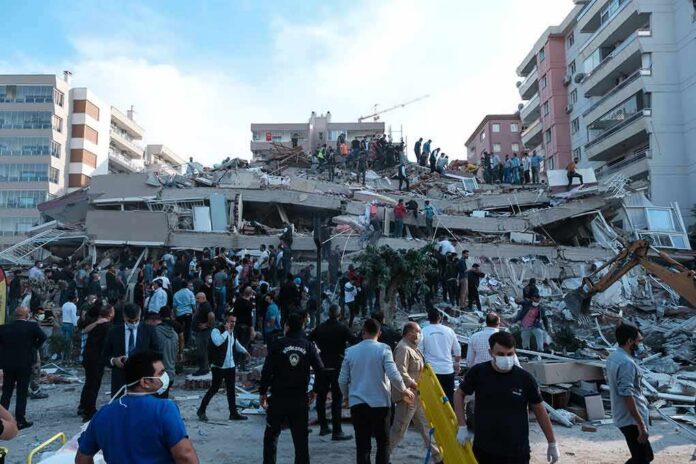
As rescue crews and neighbors dig through Colombia’s rubble by hand, every lost minute can mean a lost life.
Story Snapshot
- Rescuers and residents in Cali and other cities are actively searching collapsed buildings for survivors.
- Emergency teams from multiple Colombian cities were deployed to locate people trapped under debris.
- Video and photos show human chains, buckets, and handheld tools used in live rescue scenes.
- Reports conflict on death tolls and locations, but the on-the-ground rescue push is clear and ongoing.
Active Searches Underway in Cali and Western Colombia
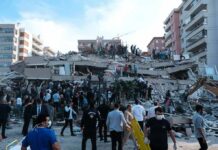
Reporters in Cali describe rescuers and residents moving through shattered concrete and twisted metal. Crews work beside ambulances and cordoned streets. Euronews says searchers moved debris while officials called for more help in the city. Reuters video shows people clearing rubble, passing chunks by hand and bucket, and listening for voices. The Associated Press photo record captures the same scene: residents and rescue workers searching through collapsed structures after the quake.
Human chains, rescue dogs, and handheld tools are doing the first heavy lift. In the first hours, big machines can be risky around unstable walls. Video from international outlets shows volunteers and trained responders digging together and pausing often to listen for signs of life. That mix of speed and care is common after major quakes. The goal is simple and urgent: find survivors before air, cold, or crush injuries turn a rescue into a recovery.
Government Mobilization and Specialized Teams
Colombia’s disaster managers activated specialized urban search and rescue teams. Reports say units from Bogotá, Envigado, Yopal, and Medellín joined the effort. The National Army sent rescue platoons trained to work in collapsed buildings and to locate people under rubble. Those teams bring scanners, shoring tools, and medical support. They aim to stabilize dangerous debris, open safe paths, and coordinate extractions with local firefighters and medics on crowded streets.
This mix of local responders, national teams, and volunteers reflects a common pattern in disaster response. Local crews start immediately with what they have. National specialists arrive as roads clear and staging areas form. Together, they rotate shifts to avoid mistakes from fatigue. They also track sites, mark hazards, and log each rescue. That discipline matters when dozens of buildings across several cities all need eyes, tools, and time at once.
Lives Pulled From Debris Amid Confusion Over Toll
Footage and photos point to real rescues amid grim loss. Visuals show cribs, furniture, and rebar mixed in stairwells and courtyards. News clips highlight moments when crews call for silence, then cheer as a voice answers back. One clip shows a baby lifted from debris, a small but powerful sign that speed and teamwork save lives even a day after impact. Scenes like these keep crews going when the odds grow harder by the hour.
Death counts and damage numbers remain uneven across outlets. Some reports cite more than one hundred fatalities, while others give lower or higher figures. Live blogs and updates move fast and can conflict as agencies verify names and locations. That confusion is common after major quakes. What does not change is the mission. Teams still sweep building by building, using lists from families, hospitals, and police to set priorities and return to sites where tapping or calls were heard.
Why This Matters for Everyone Watching
Scenes from Cali and other cities speak to a basic promise people expect from any government: show up fast and save lives. Viewers across the political spectrum know how often systems fail under stress. They also see neighbors doing what the system cannot do alone. When volunteers and professionals move in sync, the public regains some trust. When updates are muddled, trust slips. Clear facts, steady logistics, and honest tallies help keep support flowing where it is needed most.
More than 20 hours beneath the rubble — then, a sign of life
Rescuers pulled 35-year-old Carlos Esteban Rebolledo alive from the wreckage of a collapsed building in Cali after he spent more than 20 hours trapped following Colombia’s devastating earthquake.
Rebolledo was… pic.twitter.com/QVuA8Gh7Mn
— Global South World (@g_s_world) August 12, 2026
Rescue work after a quake is a race against physics and time. Concrete dust chokes airways. Aftershocks can drop new debris. Night slows progress. Yet many survivors are found in the first one to three days. That is why the mix of national teams, local crews, and citizens matters so much. The record from this quake shows that mix in action across western Colombia, with Cali featured often, and Pereira and other cities also in the fight to save lives.
Sources:
youtube.com, yahoo.com, today.com, lemonde.fr, instagram.com, bbc.com