In a matter of hours, wind‑driven wildfires turned parts of Spokane County into a wasteland, wiping out hundreds of buildings and forcing tens of thousands of people to run for their lives.
Story Snapshot
- More than 600 structures are confirmed destroyed or heavily damaged across Spokane County, with officials warning the final count may be even higher.
- Roughly 60,000–67,000 residents have faced evacuation orders as fires pushed straight into city neighborhoods once thought to be safe.
- The Old Trails, Autumn Lane, and Fairview fires merged into the Spokane Complex Fire, burning over 8 square miles and leveling entire blocks of homes.
- Despite the destruction, officials report no confirmed deaths so far, but many families returned to find only chimneys and ash where their homes once stood.
Wind‑Driven Fires Rip Through Spokane Neighborhoods
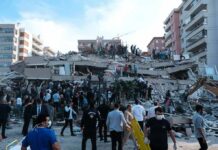
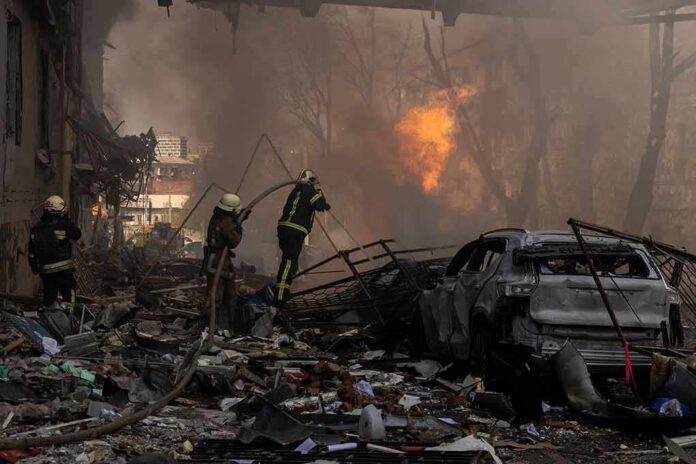
Wildfires that began outside Spokane on a dry, windy weekend did not stay in the woods; they pushed straight into neighborhoods, burning more than 600 buildings in and around Washington’s second‑largest city. Fire crews say the Old Trails, Autumn Lane, and Fairview fires together have scorched over 8,000 acres, or about 8 square miles, with the Old Trails Fire doing the most damage inside city limits. Video from streets like West Tiffany Avenue shows entire rows of houses reduced to ash, with only brick chimneys still standing.
Officials describe what they are now calling the Spokane Complex Fire as one of the most destructive in state history when it comes to structures lost. Early estimates from teams on the ground put the number of destroyed or severely damaged structures at more than 600 on Sunday morning; by later briefings, fire leaders warned that the final total could approach 1,100 once inspections are complete. Those structures include single‑family homes, apartments, small businesses, and community buildings that anchored long‑standing working‑ and middle‑class neighborhoods.
Mass Evacuations and Families Cut Off From Their Homes
As flames crossed the Spokane River and moved into northwest Spokane, authorities issued Level 3 “go now” evacuation orders for large areas, including the Indian Trail and Five Mile Prairie neighborhoods. Washington State Emergency Operations Center updates say more than 65,000 people fell under evacuation orders, while some local reports put the figure closer to 67,000. Many families had minutes to grab kids, pets, medications, and a few belongings before fleeing, leaving behind homes and cars that later burned where they sat.
Fire officials stress that fast, simple warnings may have saved lives even as property was lost. So far, they report no confirmed deaths across the main Spokane Complex Fire zone, a rare outcome in a disaster of this scale. Still, the human toll is heavy. People are sleeping in convention centers, churches, and with friends, learning from news cameras that their houses are gone. Some residents returned under escort to find entire blocks flattened, with mailboxes and foundation outlines the only clues that a neighborhood once stood there.
Why This Disaster Hits Nerves Across the Political Spectrum
The fires struck at a moment when many Americans already feel the system is failing them, and this disaster reinforces those fears. Residents now ask why neighborhoods near Spokane, a major city, seemed so unprepared for a fast‑moving fire that experts say had been made more likely by years of dry conditions and overgrown fuel. Families who did everything right—saved, bought homes, built small businesses—watched it all vanish in one weekend, and many worry they will be stuck fighting insurance companies and overwhelmed agencies for months or years.
Arson arrest made in connection to Washington wildfire as officials race to contain flames.
A man was charged with arson in connection to the Old Trails Fire, one of three destructive wildfires burning in Spokane County.https://t.co/nq1eiHkpbU— Dr. Gennadi Glinsky, MD, Ph.D. (@gglinskii) August 4, 2026
People on both the right and the left see the same pattern: government leaders hold press conferences, declare emergencies, and promise help, but ordinary families face slow aid and unclear answers. While state and federal teams moved in, it was local firefighters and deputies who stood between residents and the flames, making split‑second choices as the fire jumped roads and rivers. The Spokane fires show how quickly a normal American neighborhood can become a disaster zone, and how fragile the promise of security is when deep problems like land management, aging infrastructure, and climate stress go half‑addressed year after year.
Sources:
thegatewaypundit.com, pnwdaily.com, youtube.com, pbs.org, okanoganhighlandsfirewatch.app, fires.cornea.is, spokanepublicradio.org, chronline.com, spokesman.com, cnn.com, facebook.com, instagram.com