A backyard brush with a rabid bat turned a quiet Wisconsin evening into a life‑or‑death scramble that shows why families, not bureaucrats, are often the real first responders.
Story Snapshot
- A 6-year-old Tigerton girl was bitten by a rabid bat while climbing a tree outside her home.
- Her brothers killed the bat on the spot with a sword, allowing health officials to test it for rabies.
- The bat tested positive, and doctors began a four-shot rabies vaccine series the same day.
- The case highlights real rabies danger from bats and the need for parents to push for fast, competent care.
Tree-climbing turns into a rabies emergency in rural Wisconsin
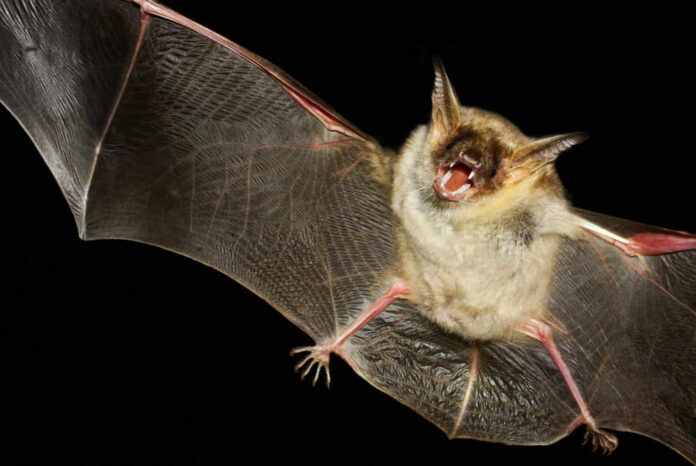
On Tuesday evening, six-year-old Cecelia Kale was climbing a tree in her family’s front yard in Tigerton, a small rural community in Shawano County, Wisconsin. A bat hiding in the branches bit her during play, turning a normal summer night into a medical emergency. Her parents rushed her to the emergency room soon after the bite, where doctors cleaned the wound and started evaluation for rabies, a virus that is almost always fatal once symptoms appear if it is not treated in time.
The family managed to capture the bat, a step health officials say is critical because it allows lab testing instead of guesswork. Cecelia’s brothers killed the bat, reportedly using a “Braveheart-style” sword, making sure the animal could not bite anyone else. The dead bat was sent for testing, following Wisconsin’s rabies prevention rules that call for quick lab work whenever a wild animal has direct contact with a person. That simple act by the boys may have saved their sister’s life, because doctors could base treatment on hard results, not slow bureaucracy.
Bat tests positive as doctors race the rabies clock
Within 48 hours, the Shawano-Menominee Counties Health Department confirmed the bat was positive for the rabies virus. Health officer Nick Mau said it was the first confirmed rabid bat in those counties for 2026, in a state that usually sees about one rabid wild animal case a year in that area. Once the test came back, doctors gave Cecelia the first of four rabies vaccine shots the same day, following standard post-exposure rules designed to block the virus before it reaches the brain. She is now going through the full four-shot series and is reported to be recovering.
Rabies may be rare, but it is deadly enough that Wisconsin health officials treat every confirmed bat exposure very seriously. State data show only four human rabies cases in Wisconsin since 1959, all linked to bats. Medical research across North America shows most fatal rabies cases from bats did not even have a clear, remembered bite; often the contact was small or went unnoticed. That is why public health guidance urges families to seek care immediately for any bat bite or close contact, especially with kids who may not notice or report minor wounds.
Family action and common-sense safety over fear and complacency
This case shows how an aware family, not a distant mandate, kept a child safe. Cecelia’s parents did not wait for a government order; they took her straight to the emergency room and made sure the bat was tested. That quick move lined up with federal Centers for Disease Control and Prevention and Wisconsin rules, which say people should wash animal bites with soap and water, then get medical help right away and hold the animal for testing if it can be safely captured. For many conservative families, this feels like simple common sense: take care of your own, respect nature, and treat real dangers seriously without panic.
A 6-year-old girl in Tigerton, Wisconsin is recovering after being bitten by a rabid bat while climbing a tree outside her family’s home. According to NBC News, the bat latched onto her leg before her brothers intervened and killed it, later confirming it tested positive for… pic.twitter.com/Uk9Dm3dXba
— Science Joy (@InsideOurBodies) July 1, 2026
Health officials are using the Tigerton case to remind parents to teach children never to handle wild animals, even if they look friendly or “cool.” Wisconsin’s farm and small-town families know bats play an important role eating insects, but they also know these animals can carry diseases. Guidance from the Wisconsin Department of Agriculture, Trade and Consumer Protection says any bat that might have touched a person or pet should be safely captured with gloves and a container, then tested for rabies. Keeping pets’ rabies shots up to date and keeping wildlife out of living spaces are simple steps that protect both family and freedom from future crisis.
Lessons for parents: fast action, clear questions, and local control
For parents watching this story, the lesson is clear. When a child has contact with a bat, you cannot afford delay or confusion. Ask direct questions, demand to know when and how the animal will be tested, and make sure doctors follow proven rabies prevention steps. At the same time, do not let fear of rare diseases turn into endless top-down rules that forget personal responsibility. This Wisconsin family’s story shows the best path is strong parents, clear local health guidance, and quick, targeted care when real danger appears.
Sources:
people.com, youtube.com, slh.wisc.edu, cdc.gov, woodcountywi.gov, rabiesaware.org, dhs.wisconsin.gov, facebook.com, ksvdl.org, usatoday.com