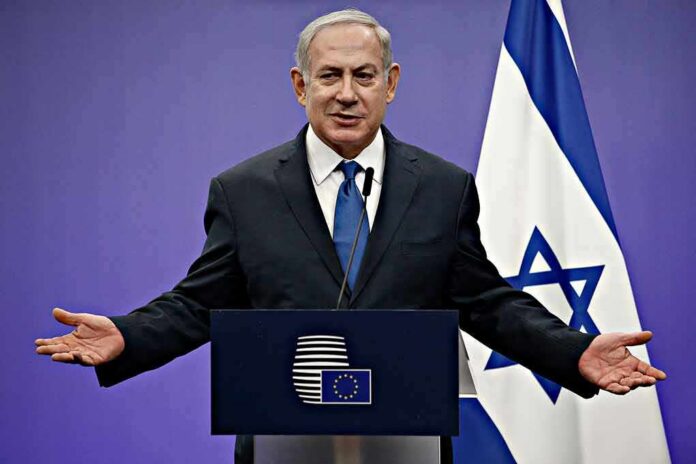
At the United Nations, Israel’s leader called Gaza genocide claims “the greatest lie of the century,” even as many delegates walked out in protest.
Story Snapshot
- Prime Minister Benjamin Netanyahu rejected genocide allegations in a high-profile United Nations speech.
- Netanyahu said Israel acted in self-defense and took steps to protect civilians, including warnings and aid.
- Dozens of delegates walked out, underscoring deep diplomatic rifts over the war.
- Critics, including New York City Mayor Zohran Mamdani, accuse Israel of genocide and cite legal scrutiny.
What Netanyahu Said On The World Stage
Prime Minister Benjamin Netanyahu used his United Nations General Assembly address to deny that Israel committed genocide in Gaza. He called the charge “the greatest lie of the century” and said Israel’s war aimed to defeat Hamas while protecting civilians. He tied Israel’s actions to the October 7, 2023 Hamas attack and ongoing threats from Iran-backed groups. He framed the campaign as self-defense and insisted that Israel “prevented genocide,” not carried it out.
Netanyahu claimed Israel warned civilians before strikes and enabled aid into Gaza. He cited food deliveries and vaccinations as proof of intent to spare civilians, and he said Hamas used people and protected sites as shields, turning hospitals, schools, and mosques into command posts. These points formed the core of his case: Israel, he said, both fought a deadly foe and tried to limit harm. He presented these claims to counter the growing use of the term genocide.
Walkouts And Protests Signal A Hardening Divide
Many delegates left the hall during Netanyahu’s speech. Reuters photo coverage and reporting captured the walkouts and protests in New York, which framed the moment as one of sharp diplomatic isolation for Israel’s leader. The exits did not prove or disprove the charge itself, but they did show how the word “genocide” has reshaped debate. The visual message was blunt: a large share of world diplomats reject Israel’s framing of the war.
New York City Mayor Zohran Mamdani amplified the criticism. After the speech, he said Netanyahu used “baseless lies” to hide a genocide against Palestinians. He pointed to an International Criminal Court arrest warrant that alleges war crimes and crimes against humanity, and he called Netanyahu a war criminal who should be arrested and tried. These statements keep legal pressure front and center and deepen public doubts about Israel’s defense narrative.
Why The Word “Genocide” Now Dominates The War Debate
This fight is about intent as much as actions. United Nations-linked investigators, rights groups, and genocide scholars have argued Israel’s campaign meets the standard for genocide or may be heading there, while Israeli officials and allied experts say the threshold is not met and the war is a case of urban combat and self-defense. The back-and-forth has turned legal labels into political weapons that shape public opinion and foreign policy.
Israeli Prime Minister Benjamin Netanyahu directly confronted New York City Mayor Zohran Mamdani during his September 24 address to the United Nations General Assembly, ⱥccusing him of trying to silence him and of making Jewish New Yorkers feel unsafe.
Netanyahu said Mamdani… pic.twitter.com/IBjgQUHMOy
— The Logical Indian (@LogicalIndians) September 25, 2026
The research record here relies heavily on Netanyahu’s own claims, with gaps in independent proof on key points like the exact amounts of aid and the full reach of civilian warnings. Major news outlets reported his assertions but did not supply detailed logs or audits in the same reports. That means the public is left with clashing claims, strong emotions, and few shared facts to test intent. This is the kind of ambiguity that feeds distrust in global institutions.
What Both Sides Want You To Remember
Netanyahu wants the world to remember October 7 and see Israel’s war as a hard but lawful defense against a group that hides behind civilians. He stresses warnings, aid flows, and medical steps to argue against genocidal intent. His critics want the world to remember the scale of death and damage in Gaza and to see legal action as proof of grave crimes. They argue that words about aid and warnings cannot erase civilian harm or change the pattern they see.
For Americans tired of spin from all sides, two things stand out. First, our leaders often ask us to pick a team before all the records are public. Second, dramatic images like walkouts and protests can crowd out the harder questions: What did the orders say? How were targets chosen? What civilian protections worked or failed? Clear answers, backed by documents and audits, would help citizens judge claims without trusting any one politician or institution.
What Would Bring Clarity Next
Independent access to data would help. Audited counts of food, medicine, and vaccinations delivered. Verified logs of civilian warnings by time and place. Reviews of strike files and legal opinions that show how risk to civilians was weighed. Evidence of Hamas command sites beneath civilian buildings. These items will not end the moral debate, but they would move it from slogans to facts. Until then, expect the loudest voices to set the tone while the public waits for receipts.
Sources:
time.com, news.un.org, cbc.ca, dw.com, abc7news.com, newscord.org, reuters.com