
Iran’s missile and drone strikes on ships in the Strait of Hormuz have reopened a dangerous front that now threatens global energy flows and could draw the United States deeper into war.
Story Highlights
- U.S. officials say Iran hit multiple commercial ships with missiles and a drone near the Strait of Hormuz.
- A United Nations-linked maritime pause and fresh warnings show rising risk for civilian crews and cargo.
- President Trump warned of stronger action as the U.S. launched retaliatory strikes after earlier incidents.
- Past “tanker war” patterns suggest disruption can be sharp even without mass casualties.
Confirmed Strikes On Merchant Ships Near A Vital Oil Chokepoint
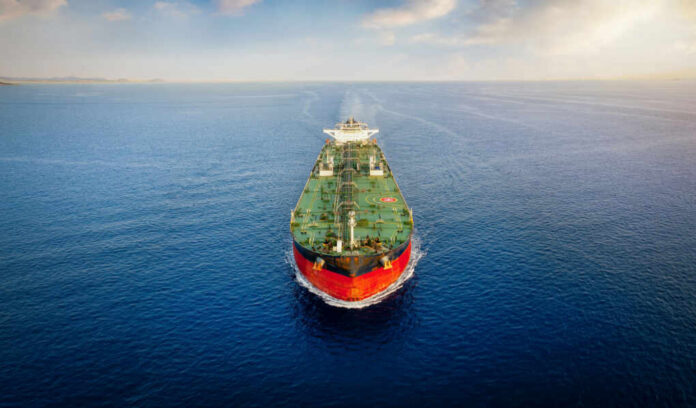
U.S. officials said Iran’s Revolutionary Guards fired at least two missiles at commercial ships transiting the Strait of Hormuz late Monday, July 6, causing significant damage but no reported deaths. A separate United Kingdom Maritime Trade Operations alert reported a tanker hit by a drone on Tuesday while crossing the same route. The New York Times also reported three ships were attacked, threatening a fragile recovery in oil and gas shipments through the strait. These events mark a clear escalation.
The Strait of Hormuz carries a large share of the world’s seaborne oil. When ships come under fire there, energy markets react and insurance costs rise. The British military and maritime watchdogs have repeatedly urged caution to civilian crews. A United Nations agency paused escorted evacuations for a time after earlier attacks, showing how fast safety conditions can change. Shipping companies now face hard choices on routes, timing, and risk buffers while crews worry about basic survival.
U.S. Response, Iranian Signals, And The Risk Of Wider War
Washington has tied recent military action to Iran’s behavior around the strait. Reuters reported U.S. strikes on Iranian targets after an earlier drone attack on a cargo ship, while Tehran claimed it has the right to control shipping there. President Trump and defense leaders have warned they will keep sea lanes open and answer attacks on civilian vessels. That stance raises the risk of miscalculation, since Iranian leaders also frame these waters as a core security zone.
The cycle follows a familiar script in the Gulf. Iran uses drones, anti-ship missiles, and fast boats to pressure traffic and send political messages. The United States responds with force, sanctions, or patrol surges to secure trade. Each step tries to deter the other side but can instead spark another hit-and-response loop. Civilian mariners, nearby Gulf states, and global consumers bear the costs first, through danger, delays, and price shocks.
Historical Pattern: High Disruption, Low Sinking Rates, Real-World Costs
Research on the 1980s “tanker war” shows most targeted ships were oil carriers, but only a fraction were sunk. Even then, limited physical losses still caused sharp slowdowns and higher costs across the system. Today’s attacks again show serious disruption without mass casualties. Modern drones and guided rockets can disable a ship, light a fire, or force a tow, all without sinking the hull. That is enough to rattle markets and test allied unity while avoiding a full naval war.
⚠️ U.S. REPOSITIONS F-22s, IRAN THREATENS RETALIATION, TALKS RESUME AS INTELLIGENCE DISPUTE EMERGES OVER ALLEGED TRUMP ASSASSINATION PLOT
✈️ U.S. repositioning F-22 fighters According to the Israeli Broadcasting: Authority, the U.S. military is transferring a squadron of F-22… pic.twitter.com/7tUOFj8ul6
— Israel Realtime (@IsraelRealtime) July 10, 2026
Energy price spikes and supply fears hit everyday people in the end. Higher fuel and shipping bills show up in grocery costs, airline tickets, and home energy budgets. Many Americans across the political spectrum see this as another example of global crises adding stress while leaders in Washington argue and posture. Voters who feel ignored by elites will ask whether U.S. strategy reduces danger, or drags them into open-ended conflict with no clear end state or accountability.
What To Watch Next: Tanker Traffic, Rules For Escorts, And Diplomatic Backchannels
Watch ship counts and delays to gauge real risk. The more ships divert or wait at anchor, the more insurance and freight prices will climb. Look for coordinated naval escorts or clearer routing rules to lower near-term danger. On the political side, any backchannel talks that set red lines at sea could slow the cycle. But fresh attacks, harsher warnings, or claims of control over the strait will point to more escalation and new costs for working families.
Sources:
independent.co.uk, reuters.com, npr.org, youtube.com, rferl.org