
New York City will disband a 600‑officer police unit and delay Rikers Island’s closure to 2032, shifting safety bets while costs and readiness questions pile up.
Story Snapshot
- The city is dissolving the NYPD Strategic Response Group and reassigning its officers.
- City Hall says protest policing and counterterrorism will be split, not reduced.
- The plan to close Rikers now targets 2032, five years past the prior deadline.
- Four borough jails will replace Rikers at an estimated multibillion‑dollar price.
What City Hall Changed in Policing
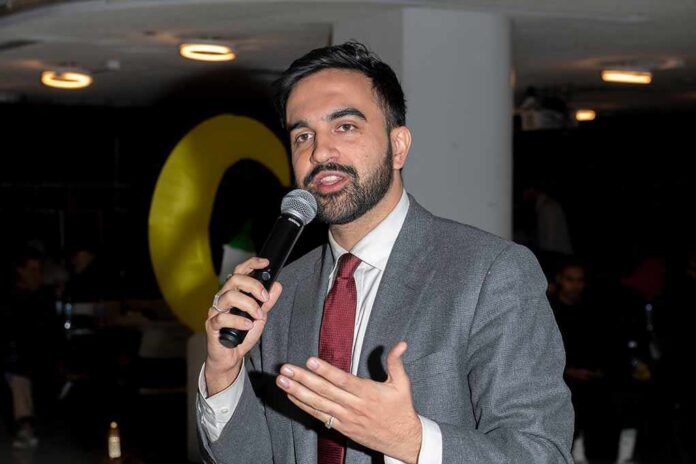
Mayor Zohran Mamdani and Police Commissioner Jessica Tisch ordered the New York Police Department to disband the Strategic Response Group, a specialized unit of about 600 officers. The city said those officers will be reassigned across the department, keeping overall headcount flat. The announcement framed the move as separating protest response from counterterrorism duties. City leaders presented the shift as a campaign promise kept and a reset in how New York handles demonstrations.
Officials emphasized that counterterrorism capacity will not vanish. They said heavy weapons posts and related duties will be consolidated inside the Intelligence and Counterterrorism Bureau. The city plans a new, civilian‑led approach for protest events that focuses on dialogue and de‑escalation. Supporters argue protesters using First Amendment rights should not face the same posture used for terrorism threats. The announcement did not publish response‑time data or a side‑by‑side capability chart.
Why Critics See a Readiness Risk
Veteran officers and some residents worry the shift could reduce surge capacity during fast, overlapping crises. The Strategic Response Group handled large protests and also helped secure major venues, bridges, and transit hubs. NBC News noted observers who viewed the unit as important to counterterrorism preparedness, even as it drew controversy during protests. The city has not released metrics showing how reassigned officers will match the old unit’s mobilization speed or specialized training.
Those concerns cut across politics. People on the right worry about softer protest tactics and slower terror response. People on the left worry that a reshuffle without clear data could mask the same problems under new labels. Both groups share a larger fear: that government leaders announce big reorganizations without proving they can handle worst‑case events. The record so far includes statements of intent but limited public performance evidence to test those claims.
The Rikers Closure Plan Slips to 2032
On jails, the mayor unveiled a timeline to close Rikers Island by the end of 2032. That pushes past a prior legal target set for 2027, reflecting years of construction delays and planning changes. The plan would replace the island complex with four borough facilities. City Hall argues the new jails will be safer and closer to courts, services, and families, which could reduce delays and improve outcomes for people in custody and staff alike.
The schedule sets openings in stages across the city and ties success to a lower jail population. The approach depends on building capacity in neighborhoods and coordinating with courts and service providers. Supporters say this will deliver more humane buildings and better access that can reduce repeat offenses over time. The city’s press materials describe a safer system as part of public safety itself, not a trade‑off against it.
Costs, Delays, and the Trust Gap
Money is a major fault line. Recent reporting puts the four borough jails in the roughly $13.7 to $16 billion range, well above earlier figures. These estimates vary by outlet and timing, but all point to a large bill during a period of strained budgets. Backers counter that older facilities on Rikers are costly to operate and maintain and that borough construction can, in some cases, be cheaper than rebuilding on the island, depending on assumptions.
Zohran Mamdani
𝙿𝚑𝚊𝚜𝚎 𝟷: 𝙶𝚎𝚝 𝚛𝚒𝚍 𝚘𝚏 𝚝𝚑𝚎 𝚙𝚘𝚕𝚒𝚌𝚎
arrested twice by elite NYPD counterterrorism unit he's disbanding𝙿𝚑𝚊𝚜𝚎 𝟸: 𝙲𝚕𝚘𝚜𝚎 𝚝𝚑𝚎 𝚙𝚛𝚒𝚜𝚘𝚗𝚜
Rikers, one of the most violent prisons in America𝙿𝚑𝚊𝚜𝚎 𝟹: 𝙿𝚞𝚝 𝚌𝚘𝚗𝚟𝚒𝚌𝚝𝚜… pic.twitter.com/dqKI0TlwLt
— 🇺🇸𝕄𝔸𝔾𝔸 𝑵𝒂𝒏𝒄𝒚 ن ♱ (@45LVNancy) November 24, 2026
For everyday New Yorkers, the pattern feels familiar: big promises, shifting deadlines, rising numbers, and little clarity on who is accountable. Conservatives see a city paying more while weakening visible tools against crime and terror. Liberals see humane goals delayed and public money stretched without clear proof of better justice. Both sides question whether leaders are leveling with them about risks, costs, and timelines, or protecting careers with talking points.
What to Watch Next
Three tests will show whether these moves help or hurt safety. First, counterterrorism drills and real‑world mobilizations must match or beat prior response times. Second, protest events must stay peaceful with fewer injuries and arrests, without ceding streets to violence. Third, the jail projects must hit construction milestones within budget while lowering court delays and violence inside facilities. City Hall should publish data on each, so people can judge results, not press releases.
Sources:
youtube.com, nyc.gov, lavocedinewyork.com, reuters.com