
Iran’s army chief has announced a $30,000 reward for Iranians who kill or capture U.S. servicemembers, escalating an already dangerous standoff with Washington.
Story Snapshot
- Iranian Army chief Major General Amir Hatami announced a $30,000 reward for Iranians who kill or capture a U.S. servicemember.
- Hatami announced the offer publicly during a ceremony marking Iran’s National Journalists’ Day.
- Hatami said the reward program was backed by contributions from Iranians, though reports provided few details about how payments would be administered.
- The announcement came amid heightened U.S.-Iran tensions and repeated Iranian demands for American forces to leave the region.
What Iran Announced and How It Was Framed
On August 16, Iranian Army chief Major General Amir Hatami announced a $30,000 reward for any Iranian who kills or captures a U.S. servicemember. Reports said the reward would rise to $60,000 if a woman carried out the act. The reported offer specifically targeted U.S. military personnel rather than Americans generally.
Hatami said the program had been created after receiving a large number of requests from people who wanted to contribute financially. Reports did not provide detailed information about how eligibility would be determined or how a successful claim would be processed. The announcement was public and explicit, but details about administration, verification and payment remain limited in the initial reporting.
Why This Matters for U.S.–Iran Tensions
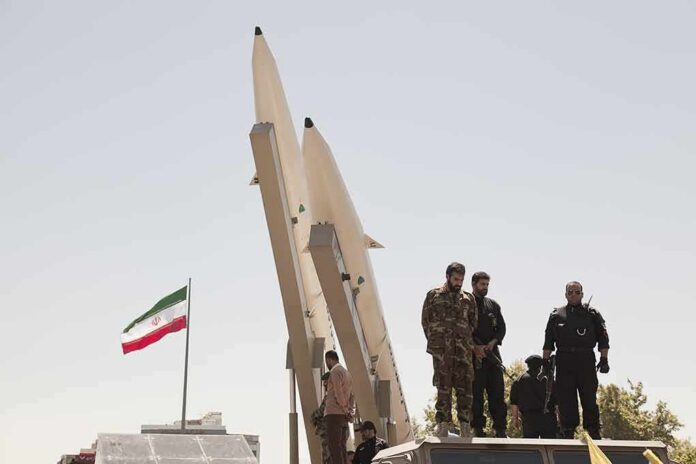
The offer lands amid months of sharp U.S.–Iran friction across the region. The announcement came as Washington and Tehran remain locked in a broader confrontation involving military operations, the Strait of Hormuz and demands over the future presence of U.S. forces in the region. The offer could serve both as a warning to Washington and as a mobilizing message for supporters inside Iran, but its practical effect remains difficult to measure.
This type of signaling aims to shape choices more than to lay out a policy manual. The announcement also gives Iranian authorities a highly visible way to portray resistance to U.S. forces as a patriotic cause. It can rally supporters by promising a clear cost for any foreign attack. That mix of deterrence and domestic messaging is common in Iran’s playbook when tensions rise with Washington and its partners.
What Remains Unclear About the Bounty
Initial reports provided few details about the program’s administration, including how claims would be verified, who would authorize payments and what documentation would be required. For now, the clearest facts are the $30,000 base reward, the higher payout for women and the stated target of U.S. servicemembers.
#NETSnippet | Iran has announced a $30,000 reward for anyone who kills or captures a US soldier, with the amount rising to $60,000 if the act is carried out by an Iranian woman, according to reports citing Iranian state news agency IRNA.
Iranian Army chief Amir Hatami reportedly… pic.twitter.com/PQcn8G7I3y
— NORTHEAST TODAY (@NortheastToday) August 17, 2026
For U.S. military personnel and their families, the announcement adds another threat to an already volatile security environment. For policymakers, it is another indication that rhetoric between Washington and Tehran is becoming increasingly hostile.
How Washington Might Respond Next
Washington’s response could include additional force-protection measures and stronger warnings that attacks on U.S. servicemembers will carry consequences. U.S. officials could also use the announcement to reinforce warnings that attacks on American personnel will draw a response. At the same time, backchannel lines often stay open in tense periods, since both sides know a single strike can spiral into a wider fight neither wants.
The broader confrontation could also affect energy markets and shipping if tensions disrupt traffic through the Strait of Hormuz. The Strait of Hormuz remains particularly important because disruptions there can affect commercial shipping, insurance costs and global energy markets. Even talk that raises the risk to crews, bases, or ports can push up insurance and shipping costs. When the stakes include both troop safety and household budgets, words like these from Tehran carry weight far beyond the region.
Bottom Line for Readers
Iran’s army chief has publicly offered a $30,000 reward to Iranians who kill or capture U.S. servicemembers, with reports saying the payout doubles when the act is carried out by a woman. The announcement adds another provocative element to the confrontation between Washington and Tehran. The funding structure and payment procedures remain less clear than the public offer itself, but the message from Iran’s military leadership is unmistakable: U.S. forces are being openly targeted in Iranian rhetoric as the conflict continues.
The next question is whether the announcement remains a propaganda and mobilization tool or becomes connected to actual attempts to target American personnel. Hatami also called for U.S. forces to leave the region, including the Persian Gulf, Gulf of Oman and Strait of Hormuz, tying the bounty announcement to Iran’s broader demand for an American military withdrawal.
Sources:
redstate.com, english.ahram.org.eg, yahoo.com, hamerintel.com, facebook.com