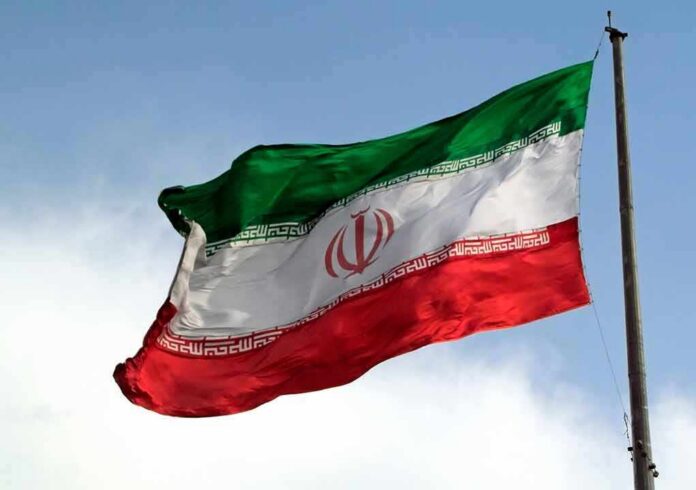
Washington launched an “Economic D‑Day” to choke Iran’s cash and warn every enabler: help Tehran and face U.S. penalties.
Story Highlights
- Treasury detailed an expanded campaign to cut Iran off from oil sales, shipping, and illicit finance.
- President Trump’s team threatened the “toughest sanctions in history,” including secondary hits on foreign facilitators.
- U.S. actions target Iran’s shadow fleet, weapons procurement networks, and digital asset laundering.
- Skeptics question whether pain alone will force Tehran to change course on nuclear ambitions.
Treasury’s Plan: Squeeze Revenue, Deny Access, Enforce Everywhere
The Department of the Treasury said the United States is cutting off Iran’s money streams that fund weapons, terror proxies, and nuclear work. Treasury Secretary Scott Bessent said the campaign, revived and expanded under President Trump, has already deprived the regime of key revenue and disrupted illicit flows. Officials said the focus now is isolation, not symbolism. That means hitting buyers, brokers, insurers, shippers, and banks that help Tehran move oil or money, regardless of where they operate.
Treasury announced sanctions on networks that support nuclear and missile programs, citing specific individuals, firms, and front companies. The list includes actors tied to procurement and sanctions evasion schemes across several countries. Officials also moved against the “shadow fleet” that ferries sanctioned crude, naming dozens of people, companies, and vessels linked to covert petroleum sales and weapons production inputs. These steps aim to raise costs, create fear in counterparties, and slow Iran’s ability to trade.
Secondary Pressure: A Warning Shot to Foreign Enablers
U.S. statements warned that countries and companies helping Iran will face consequences under American law. Reuters reported that Bessent called these measures the “toughest sanctions in history” and urged cooperation from Beijing, while making clear that resistance will bring risk. Treasury has previously sanctioned the Central Bank of Iran and other state funds under counterterrorism powers, signaling that core regime institutions are fair targets when they finance malign conduct. The message is simple: choose Iran and lose access to America.
Officials paired energy sanctions with actions across logistics and finance. A Treasury notice said the United States is sanctioning brokers moving millions of barrels of Iranian crude to the People’s Republic of China, choking off a major outlet for Tehran’s oil. Another action targeted foreign networks that obtain parts and technology for Iran’s Islamic Revolutionary Guard Corps and the defense ministry, trying to block inputs that strengthen missiles and drones. The campaign now reaches into every layer of Iran’s global support web.
Cutting Off New Workarounds: Crypto, Insurance, and Maritime Evasion
U.S. authorities moved on digital asset hubs that Tehran uses to wash funds and skirt banks. Treasury said new sanctions hit exchanges and services that enable billions in laundering tied to the Islamic Revolutionary Guard Corps and other regime organs. Maritime pressure also tightened. Targets include ships that disable tracking, conduct risky ship‑to‑ship transfers, and falsify paperwork to move Iranian oil. By naming vessels and managers, the United States raises insurance and financing costs for anyone who touches them.
Ranking of major first-term priorities/actions …
1. Immigration, border security, and travel restrictions — Core early executive priority and campaign promise; sustained enforcement push.
🚨
2. Military rebuilding, readiness, and budgets — Significant defense budget…— 🐸 🌞 Sunshine 🌞 🐸 (@ValBennett2021) August 24, 2026
The administration argues this “whole ecosystem” approach is working as cash dries up and evasion grows harder. Skeptics counter that sanctions pain has not yet proven it can force policy change in Tehran. The International Crisis Group and Brookings say past pressure caused real damage but did not secure nuclear concessions or lasting moderation. That debate matters. But the current effort is wider and sharper, with constant updates, global enforcement, and clear penalties for partners who look the other way.
Sources:
zerohedge.com, reuters.com, home.treasury.gov, thehill.com