
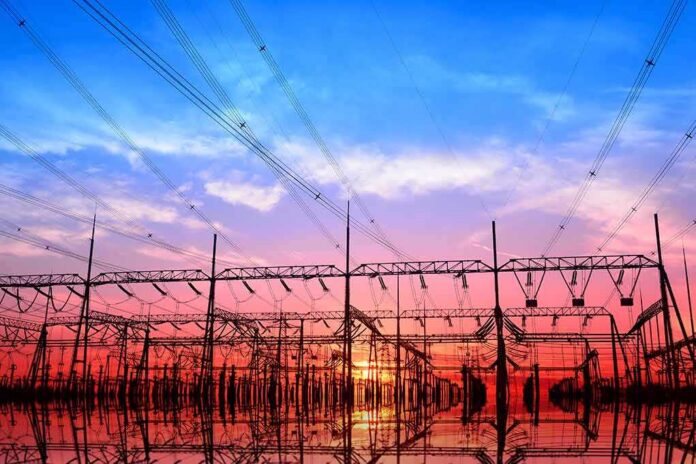
A four-day shutdown of a British power plant by Iran-linked hackers shows how a distant rival can still switch off part of a modern nation’s energy supply.
Story Highlights
- Iran-linked hackers forced a small UK power plant offline for four days.
- UK officials said the incident never threatened the wider electricity system.
- Security leaders say hostile states drive most attacks on critical infrastructure.
- The plant’s identity remains undisclosed for security reasons.
What Happened And What Officials Confirmed
British media reported that hackers tied to Iran disabled a small UK power generator for four days in July. The Telegraph broke the story and described it as a first-of-its-kind shutdown in Britain tied to Iranian-linked actors. A United Kingdom government spokesperson said the incident affected a small-scale site and posed no risk to the wider grid. Officials declined to name the facility or assign blame on the record, citing security concerns.
Reporters and analysts echoed the core facts across outlets. Coverage stated that the attack took one plant offline, did not spread to other sites, and led departments to brief energy companies on risk. The basic timeline and scale were consistent: four days offline, limited to a single generator, with no broader power shortage. The United Kingdom kept technical details close, which is common after cyber incidents involving critical systems.
Why This Fits A Larger Pattern Of State-Linked Cyber Pressure
United Kingdom cyber leaders say most serious attacks on vital services come from hostile states. The National Cyber Security Centre has reported that about three-quarters of incidents hitting critical infrastructure tie back to state actors, including Iran, Russia, and China. This latest shutdown fits that picture. United Kingdom assessments in recent years have also described Iran as active against key sectors, using intrusions to steal, probe, or disrupt when it serves strategic aims.
The pattern helps explain the government’s tight hold on specifics. Investigators often shield plant names, access paths, and digital indicators. That protects defenses while they patch systems and watch for follow-on moves. It can also frustrate the public, who want clear answers. In this case, officials balanced both: they confirmed the impact and scale while avoiding details that could aid copycats or trigger market panic.
What It Means For Reliability, Costs, And Deterrence
This was not a grid crisis, but it was a proof of concept. A foreign-backed team reached across borders and stopped power at a real site for days. That matters for families and businesses who already face high bills and worry about outages. Even a small hit can raise costs if operators must rebuild systems, pay for downtime, and buy new defenses. Those costs can roll downhill to ratepayers and taxpayers if procurement and insurance do not cover them.
Iranian Hackers Shut Down British Power Plant for Four Days
Iran-linked hackers disabled a small British power plant for four days, believed to be the first successful cyberattack to bring a UK generating facility to a standstill. pic.twitter.com/fcTeTmXiOA
— Adam Scott (@chefcascottccc) August 24, 2026
The lesson for governments on both sides of the Atlantic is simple: basics still matter. Operators need strong network separation, tested backups, and fast recovery plans. Agencies need clear alerts and drills with private owners. The United Kingdom briefed energy firms after the attack; that is a start. But the bar keeps rising as rivals probe for weak links. Deterrence requires raising the price of attack and lowering the payoff through resilience.
Sources:
feedpress.me, telegraph.co.uk, bbc.co.uk, cnbc.com, iranintl.com, x.com, aol.com