
An FBI leak probe hanging over America’s top counterterrorism post has collided with a very public resignation over President Trump’s Iran strikes—raising hard questions about accountability, classified information, and trust inside the national security apparatus.
Quick Take
- Former National Counterterrorism Center (NCTC) Director Joe Kent resigned on Tuesday after sharply criticizing President Trump’s Iran airstrikes.
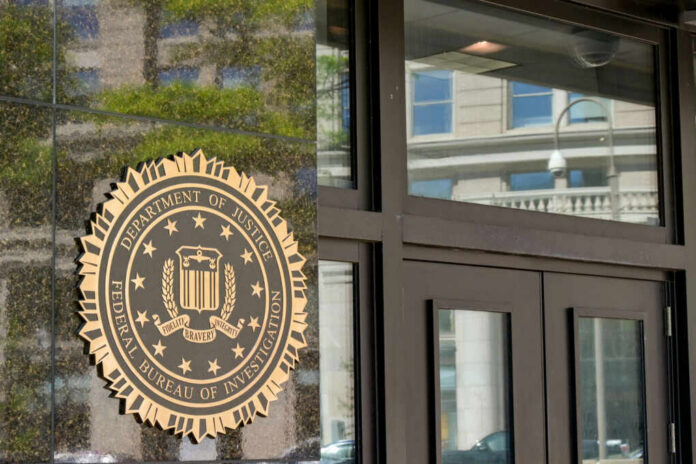
- CBS News reported the FBI had opened an investigation into Kent over an alleged classified leak before he resigned, according to multiple sources.
- President Trump publicly dismissed Kent as “weak on security” and called his departure a “good thing.”
- The episode spotlights a core tension in government: lawful dissent versus unauthorized disclosure of classified information.
Resignation Lands in the Middle of an Iran Strike Dispute
Joe Kent stepped down as NCTC Director on March 17, 2026, as the administration defended U.S. airstrikes on Iran announced February 28. Kent used his resignation to argue Iran posed no “imminent threat” and claimed the U.S. was being pushed toward conflict by outside pressure, comparing the situation to pre-Iraq War claims. The White House, by contrast, has insisted the strikes were based on evidence of serious danger.
President Trump responded bluntly, saying Kent was “nice” but “weak on security,” and indicated the resignation was welcome rather than disruptive. It also connected Kent’s statement to internal disagreement about the “imminent threat” rationale for strikes. Tulsi Gabbard, referenced in coverage as an administration defender of the action and described as a past Kent connection, argued Trump had “strong evidence” drawn from multiple sources.
FBI Investigation Reportedly Predated the Departure
CBS News reported March 18 that the FBI had launched an investigation into Kent over an alleged classified leak and that the probe began before his resignation. The report cited multiple sources with direct knowledge of the matter, but provided limited public detail about what information was allegedly disclosed, how it was transmitted, or whether any criminal charge is expected. As of the reporting, the status remained an investigation, not a public indictment.
That timing matters because it separates two issues that can easily get blurred in political commentary: Kent’s policy objections to military action, and the government’s duty to protect classified intelligence. A resignation letter or social media statement—however inflammatory—generally isn’t the same thing as leaking protected material. If investigators believe classified information was improperly disclosed, the legal and national-security stakes shift immediately from debate to potential damage assessment.
Who Kent Is—and Why His Tenure Was Politically Charged
Kent arrived at NCTC with a résumé built for credibility with a security-focused electorate: roughly two decades in the Army as a Green Beret, numerous deployments, multiple Bronze Stars, and later work in a CIA paramilitary role after he retired from the military. Senate confirmation in July 2025 was close, 52–44, underscoring how contentious his selection was even before this latest flare-up.
Coverage also emphasizes why Democrats and some critics opposed him: Kent’s associations with right-wing figures, his endorsement of claims tied to 2020 election fraud, and commentary around Jan. 6 conspiracies. Separately, CBS reported that during his leadership he pushed analytical priorities toward cartels and counternarcotics and that he pressed analysts on assessments involving a Venezuelan gang to align with administration policy. Those details fueled accusations of politicizing intelligence—an especially sensitive charge for an agency built to warn, not to please.
The Bigger Issue: Order, Oversight, and the Constitution
For conservative voters who watched years of politicized bureaucracy, the Kent episode lands in a familiar place: Washington’s internal power struggles often spill into public view, while the public gets fragments instead of clarity. The constitutional principle is straightforward—civilian leaders set policy, agencies execute it, and employees follow lawful channels for dissent. If classified material was leaked, the government has an obligation to investigate, regardless of politics.
BREAKING: FBI investigating former counterterrorism chief Joe Kent over alleged classified leaks.https://t.co/Ox4pUdkk7e
— Fox News (@FoxNews) March 19, 2026
At the same time, the key questions is unanswered: what was allegedly leaked, whether it involved Iran, and whether investigators found intent or negligence. With no public charging document, those specifics remain unverified in open sources. What is clear is that the resignation and the probe together create a pressure test for the Trump administration’s national security team—one that will demand transparency where possible, discipline where required, and strict adherence to legal process to avoid turning intelligence work into factional warfare.
Sources:
https://www.cbsnews.com/news/joe-kent-what-to-know-iran/
https://www.dni.gov/index.php/nctc-who-we-are/director-nctc