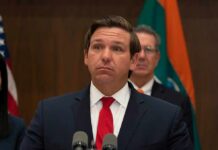


Sen. Elissa Slotkin’s vote to block DHS funding—followed by messaging that DHS “should be funded” after new attacks—captures the budget brinkmanship and mixed signals driving Washington’s immigration fight.
Story Snapshot
- Michigan Sens. Elissa Slotkin and Gary Peters voted against a package that included full-year DHS appropriations, tying support to legislated ICE reforms.
- Democrats used the Senate’s 60-vote threshold to force DHS funding into a short-term stopgap instead of a full-year deal.
- Slotkin cited Minneapolis fatal shootings involving federal agents as a catalyst for restricting ICE operational practices.
- Proposed changes included limits such as bans on masks during operations and requirements for judicial warrants for home searches.
- Republicans faced pressure to keep core homeland security functions funded while negotiating policy conditions demanded by Democrats.
How a DHS Funding Vote Turned Into a Leverage Play on ICE
Senators Slotkin and Peters opposed a funding package that included Department of Homeland Security appropriations, arguing they could not support more money without “serious, legislated change” to immigration enforcement operations. Their position wasn’t framed as defunding DHS in general, but as conditioning votes on new statutory limits for ICE. In a closely divided Senate, that conditional “no” mattered because Republicans lacked the votes to clear the 60-vote hurdle.
Senate math created leverage. With Republicans holding 53 seats, passage required Democratic votes, giving Minority Leader Chuck Schumer’s caucus a meaningful veto point on DHS appropriations. Instead of approving a full-year DHS plan inside a broader appropriations package, negotiators moved toward separating DHS funding. The result was a two-week stopgap measure for DHS rather than a long-term appropriation, buying time while the two parties fought over enforcement policy.
Minneapolis Shootings Drove the Push for New Restrictions
Slotkin’s demands intensified after fatal incidents in Minneapolis involving federal agents. The killing of 37-year-old Alex Pretti by Border Patrol agents on January 25, 2026, and Slotkin referenced a second fatal shooting as part of what she described as a troubling enforcement pattern. This does not fully clarify the second incident’s timing relative to her first statements, but it does show Democrats tying the funding fight directly to those events.
Slotkin’s public posture escalated beyond budget votes. She delivered a Senate-floor speech calling for DHS Secretary Kristi Noem to resign, be fired, or face impeachment, even though Slotkin previously voted to confirm Noem. That shift matters because it underscores the core dispute: Democrats weren’t only asking for oversight or internal policy tweaks; they were demanding leadership consequences and statutory constraints. The sources provided do not include a detailed response from Noem or from Senate Republicans to these specific demands.
What “ICE Reform” Meant in This Funding Standoff
The reform wish list centered on operational rules that would bring federal immigration enforcement closer to state and local policing standards. Reported demands included banning masks during enforcement operations, requiring judicial warrants for home searches, and adopting procedures modeled on local law enforcement. Peters argued DHS immigration enforcement was creating “chaos and fear” and violating constitutional rights. Supporters of strong border enforcement will note that broad operational constraints could change how quickly and safely agents can identify and detain suspects.
At the same time, the debate exposed a familiar Washington contradiction: homeland security agencies are expected to stop threats and enforce immigration law, but political actors can still use funding deadlines to extract policy concessions. The compromise avoided an immediate shutdown scenario, according to reporting on the stopgap plan, yet it also kept DHS operating under temporary funding and political uncertainty. That uncertainty can complicate planning for staffing, training, and operations across a department responsible for border security and public safety.
Why the Flip-Flop Narrative Is Resonating—and What’s Confirmed
Conservative criticism has focused on the optics of voting against DHS funding while later emphasizing the need to fund DHS after “recent attacks,” a framing highlighted in social media commentary linked to the story. What is clearly supported is that Slotkin opposed the DHS funding package as structured and insisted on legislated ICE limits as a condition for support. The sources provided do not document a single, definitive reversal vote, but they do show shifting messaging around funding urgency versus policy conditions.
Dem Sen. Elissa Slotkin Says Recent Attacks Show DHS Should Be Funded (Shortly After Voting Against It) https://t.co/IugsSAZlYr
— Joe (@JoeC1776) March 13, 2026
The bigger takeaway for voters is structural: when one party can’t reach 60 votes, the minority can force concessions by withholding support, even on core agencies like DHS. That reality can produce stopgap funding cycles that frustrate the public and strain federal operations. This also leaves key gaps—especially the lack of detailed rebuttals from DHS leadership and the limited clarity on the second Minneapolis fatal shooting timeline—so readers should expect more documentation as negotiations and oversight demands continue.
Sources:
Slotkin Statement on Voting No Against Funding for the Department of Homeland Security
Peters, Slotkin both plan to vote against Homeland Security funding bill
Michigan Sen. Slotkin Vows to Vote Against Homeland Funding Bill After 2nd ICE Fatal Shooting
Slotkin Calls Noem Step Down; DHS Funding Be Halted Without ICE Reform