
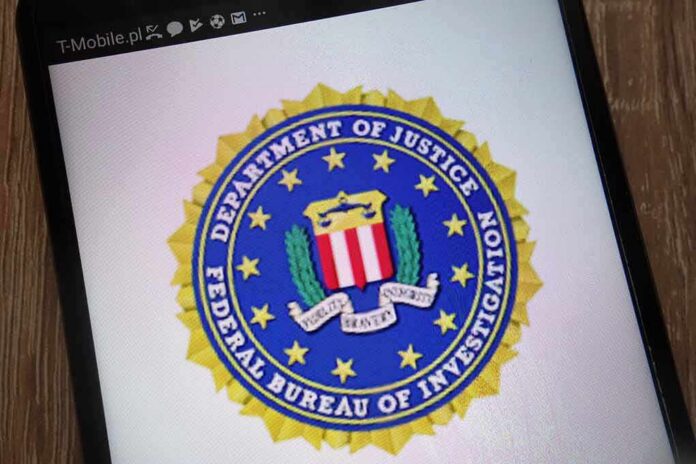
Newly declassified Federal Bureau of Investigation memos revive hard questions about foreign money, defensive briefings, and why Washington so often leaves the public in the dark.
Story Highlights
- Declassified files describe a 2014 Federal Bureau of Investigation probe into Eric Swalwell’s ties to Christine “Fang” Fang.
- Reports say Fang helped fundraising and placed at least one intern before the Federal Bureau of Investigation warned Swalwell in 2015.
- The House Ethics Committee closed its inquiry in 2023 with no action against Swalwell.
- Swalwell denies wrongdoing and says he cooperated with agents and ended contact after the warning.
What The Newly Released Files Reportedly Show
Reports say newly declassified records describe how the Federal Bureau of Investigation opened a counterintelligence case in 2014 that involved Representative Eric Swalwell and Christine “Fang” Fang, a suspected Chinese operative linked to political circles in California. Coverage says the records note internal reviews and interest from the Department of Justice’s Public Integrity Section. The same reporting says agents at one point tried to recruit Fang as a source on Chinese influence efforts, underscoring the complexity of running such cases.
Axios and other outlets previously reported that Fang took part in fundraising for Swalwell’s 2014 campaign and helped place at least one intern in his office before leaving the United States around 2015. After a defensive briefing in 2015, Swalwell cut ties, according to the same accounts. These details mirror a broader pattern that national security officials warn about: foreign influence targets relationships, access, and money around Congress, often in ways that blur legal and ethical lines without clear courtroom proof.
Swalwell’s Response And The Ethics Committee’s Decision
Representative Swalwell has denied wrongdoing from the start, saying he cooperated with agents and ended contact once warned by the Federal Bureau of Investigation. In 2023, the House Ethics Committee closed its two‑year review and took no further action, a result he points to as confirmation that he did not violate House rules or laws. His attorneys recently argued that releasing old files risks violating privacy laws and would smear him during a statewide campaign.
These outcomes do not make the underlying questions disappear for many voters. A defensive briefing means officials saw enough risk to warn a sitting lawmaker, which is serious even if it falls short of a charge. When files emerge later, they often reignite anger about double standards, selective leaks, and whether the government shields insiders. That frustration spans left and right because both sides see elites play by different rules while the public gets few clear answers.
Why This Matters: Influence, Money, And Trust
Congress has long been a target for influence by the People’s Republic of China through travel, intermediaries, donations, and personal ties, according to research and testimony to Congress. These tactics aim to shape access and agendas without overt espionage. That gray zone is where many cases stall. The line between poor judgment and provable misconduct is thin, and our system often resolves it with briefings and quiet fixes rather than charges and open records. That leaves citizens feeling shut out and unprotected.
Newly declassified FBI memos detail the investigation into Congressman Eric Swalwell and suspected Chinese spy Christine Fang. The files document her fundraising assistance, placement of interns in his office, and alleged contributions routed through American conduits to conceal… pic.twitter.com/ko8wbcnLFx
— Morse Report (@MorseReport) August 17, 2026
Two facts can be true at once. The Federal Bureau of Investigation can warn a member that they are a target, and the House Ethics Committee can still find no rule broken. But when fundraising, interns, and foreign influence intersect, oversight must be faster and clearer. Congress writes the rules that govern itself. It can mandate quicker disclosures after defensive briefings, tougher vetting of campaign donations, and audits of internships tied to foreign nationals. That would help rebuild trust without trial by rumor.
Sources:
twitchy.com, nypost.com, reddit.com, nbcnews.com, hoover.org, govinfo.gov