

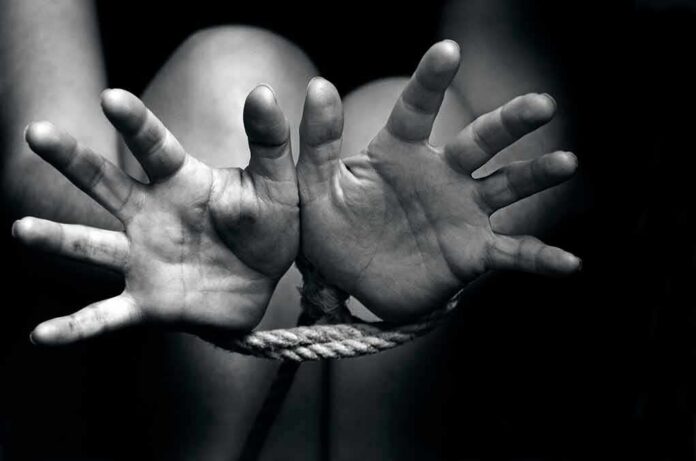
When police across Ontario say they broke up “Project Time,” they are not just talking about arrest numbers, but about how easy it has become for predators to use the internet to reach children while the system struggles to keep up.
Story Snapshot
- Ontario’s Project Time led to 63 arrests, 213 charges, and 51 identified child victims across the province.
- Police seized 814 electronic devices and say 154 related investigations are still ongoing.
- The operation used 25 different police services, yet depends heavily on police-controlled messaging and court publication bans.
- The case highlights both the scale of online child abuse and how hard it is for regular citizens to see what government is really doing about it.
Major Ontario Sweep Targets Online Child Abuse
Ontario Provincial Police, working with 25 local police services, ran a month-long operation called Project Time to target online child sexual exploitation across the province. Police say the joint effort led to 63 arrests between ages 15 and 79, and 213 criminal charges. Officers report that 51 child victims were identified and “safeguarded,” meaning they were removed from harm and connected with support services. Police describe the suspects as people who made, possessed, and shared child sexual abuse material, with some also accused of luring minors and sending explicit material to children.
Police say Project Time grew out of Ontario’s broader Provincial Internet Child Exploitation Strategy, which focuses on finding child abuse that happens or spreads online. Investigators launched 264 criminal cases during the sweep and seized 814 phones, computers, and other devices for forensic work. According to police, 154 of those investigations are still active, which means more charges could come later. Local news reports list arrests in places such as London, Chatham, Windsor, Hamilton, Niagara, Kingston, and other communities, showing this was not limited to big cities alone.
Victims, Repeat Offenders, and People in Positions of Trust
News reports say police identified 51 victims and took steps to protect them, but they do not show the actual case files, victim statements, or forensic reports. Officers told media that some suspects held positions of trust and authority in their communities, and that at least eight were repeat offenders, yet they did not release full details of those past records or jobs. Some adults are accused of making abuse material themselves, which suggests direct contact with victims, while many others are accused of collecting or sharing images and videos online. The presence of three teenagers among the accused adds pressure to keep names private and limits what the public can see.
Court publication bans to protect young victims are common in these kinds of cases, and they are meant to prevent more harm. At the same time, these bans and privacy rules mean ordinary people cannot easily check who was arrested, what evidence exists in each case, or how many charges lead to convictions. Media stories focus on headline figures like 63 arrests and 213 charges, but they rarely follow up months later to show which suspects were found guilty, which were cleared, or whether any cases collapsed. That gap feeds a wider frustration among both conservatives and liberals who already believe government talks big about child safety while letting powerful people hide behind closed doors.
What Project Time Reveals About Online Abuse and the System
Project Time fits a larger trend in Canada, where major sweeps like Project Steel have also made over 100 arrests and seized more than 1,000 devices in national child exploitation operations. Official numbers show that from 2018 to 2020 there were thousands of police-reported online child sexual offences, and tens of thousands of related charges in Canadian courts. Those figures confirm what many parents already feel: the internet has made it far easier for abusers to reach children from behind screens, while law enforcement races to catch up. These sweeps show police are working, but they also reveal how large the problem has become.
For many citizens on both the right and the left, Project Time is another example of a system that seems strong in press conferences but weak in transparency and long-term results. People who distrust “elites” and the so-called deep state see police and prosecutors controlling almost all the information, while courts seal off details and governments rarely explain how they use money meant to protect children. Skeptical conservatives may worry that bureaucrats and tech companies are slow to act against abuse, while skeptical liberals may fear that poor and marginalized families suffer more from both crime and enforcement. In both cases, trust depends on proof, not just numbers.
Balancing Protection, Privacy, and Public Trust
Operations like Project Time raise hard questions we rarely answer in public. How do we protect child victims and respect their privacy, while still showing enough evidence for citizens to judge whether government is doing its job? How do we make sure powerful offenders or officials are not quietly shielded by vague phrases like “positions of trust and authority” without details? And how do we keep these sweeps from becoming only media moments, rather than steps toward real change in how we monitor the web, train police, and support families? Those questions matter as much as the arrest totals, because they decide whether people believe the system is truly on their side.
Sources:
lifesitenews.com, theepochtimes.com, cbc.ca, theturtleislandnews.com, youtube.com, facebook.com, globalnews.ca