An attack campaign used an AI voice that sounded like Los Angeles Councilmember Nithya Raman to speak in “her” voice days before the election, and her campaign is asking ethics officials to step in.
Story Highlights
- Raman’s campaign filed ethics complaints over an AI phone line that spoke in her voice.
- The complaint cites California laws on fake audio and AI disclosure in political ads.
- Reports say the phone line did not clearly disclose AI or the sponsor at the start.
- Thrive LA denies wrongdoing and calls the ads protected satire.
What Raman’s Campaign Says Happened
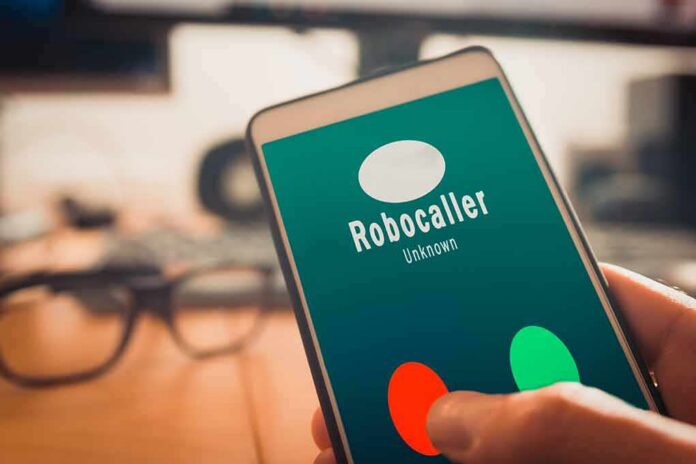
Raman’s campaign says a political group called Thrive LA set up a phone line where an artificial intelligence voice clone of Raman spoke in the first person, answered questions, and made statements she did not say. The campaign filed complaints on October 26 with the Los Angeles City Ethics Commission and the California Fair Political Practices Commission, eight days before Election Day. News reports describe the phone line as part of a broader attack that mocked Raman’s record on homelessness.
Coverage says the phone system was tied to fake “real estate” signs and social media posts that pushed people to call and hear the AI voice. The Los Angeles Times reported the voice did not say it was artificial unless asked, and another outlet reported the line did not identify Thrive LA as the sponsor at the start of the call. Those details raise disclosure questions under state rules for political ads that use synthetic media.
The Laws Cited in the Complaints
Reports say the complaints cite California Elections Code Section 20012, which concerns distributing digitally fabricated audio of a candidate within 30 days of an election, and Government Code Section 84514, which covers disclosure when committee ads include AI-generated or substantially AI-altered media. The timing of the calls, within the final days before voting, sits inside the law’s window. The filings ask regulators to review whether the ads broke these rules.
The campaign also alleges five disclosure lapses tied to sponsorship and AI labeling across the signs, social media, and the phone line. Public reporting does not list each specific violation or include copies of all creatives, so the exact count and legal hooks for each item are not fully detailed in the coverage available so far. No agency has issued a finding on the complaints at this time.
How Thrive LA Responds
Thrive LA rejects the claims. The group’s executive director called the complaints “false and absurd” and said the ads were satire that followed campaign finance rules. The group says its spending has been properly disclosed through the city system. Thrive LA argues Raman is trying to silence critics, while the campaign says the issue is deceptive impersonation, not criticism. That clash sets up a free-speech versus fake-speech fight as voting nears.
Live phone chats with an AI Raman, from a number on signs around LA. Thrive LA calls it satire with proper disclosure. The ethics complaint will settle whether callers were told. Weird election year to work on voice proof at https://t.co/LEUpynI0Oh
— M Thomas George (@mthomasgeorge) October 27, 2026
Los Angeles Magazine reported that, when prompted, the AI line identified Thrive LA and admitted it was AI. That detail may matter if investigators weigh whether on-demand disclosures satisfy the law or if disclosures must come upfront. The complaints argue listeners should not need to ask first to learn they are hearing synthetic audio of a candidate in a political ad during the final days of an election.
Why This Fight Matters Beyond Los Angeles
This case shows how fast synthetic media has become a normal campaign tool. Researchers tracking the 2026 cycle report almost 170 political ads used artificial intelligence and about 80 million dollars in related spending. They also report that roughly seven in ten of those ads lacked an AI disclosure, a figure that includes both harmless editing and more serious impersonation. That mix helps explain why disputes like this are growing nationwide.
Voters from left and right already doubt that political insiders tell the truth. Synthetic voices that sound like real officials raise that concern even more. Clear labels for sponsorship and for AI use are basic guardrails so people know who is speaking and whether a human actually said the words. When those labels appear late or not at all, trust suffers and bad actors can flood the zone while watchdogs chase them after the fact.
What To Watch Next
Watch for any quick action from the Los Angeles City Ethics Commission or the California Fair Political Practices Commission before ballots are counted. Look for records that tie the phone line’s setup, scripts, and timing to specific legal tests, including the 30-day window and the requirement for clear, upfront disclosures. Also track whether the group releases full recordings or call logs, which could help confirm what callers heard first when they dialed in.
Beyond this election, lawmakers and courts are still sorting out the line between satire and impersonation when a synthetic voice speaks in the first person as a candidate. Rules that are easy to follow and easy to enforce can protect speech while stopping tricks that fake a person’s voice. Without that clarity, both parties and their supporters will keep testing the edges, and voters will keep wondering who is really talking to them.
Sources:
nypost.com, latimes.com, ktla.com, lamag.com, dnyuz.com