

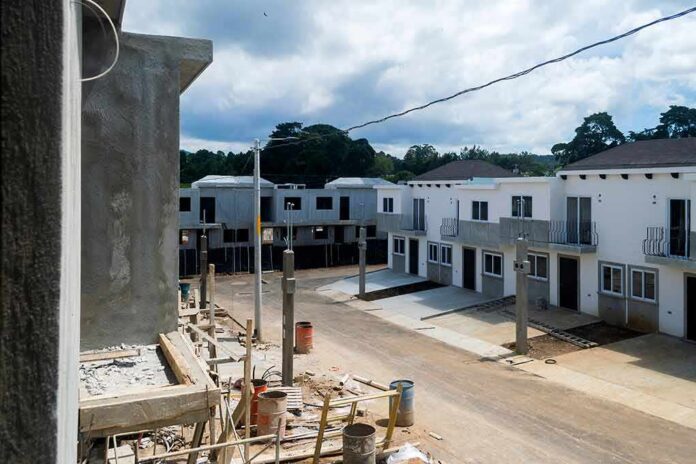
California directed about $369 million in wildfire-recovery housing money to general affordable rentals without reserving units for fire survivors, reigniting anger over who benefits when disaster aid flows.
Story Highlights
- State steered about $368.7 million to affordable housing with no survivor set-asides.
- Officials funded a separate $107.3 million program that gives survivors first dibs.
- Leaders say spreading projects across the county eases pressure and keeps families near jobs.
- Critics see a mismatch between fire victims’ urgent needs and program rules.
What the money funded and what it did not
State housing officials awarded about $368.7 million for affordable rental projects after the 2025 Los Angeles wildfires. Reports say those awards did not require developers to reserve units for displaced fire survivors. Instead, the funds went to broader low-income housing. That gap fueled claims that aid missed the very people who lost homes. The California Post and New York Post drove the initial charge and put a hard number on it.
California’s defense points to a separate, disaster-specific program. The state set aside $107.3 million for nine projects and 673 affordable rental homes across Los Angeles County. Those units include occupancy preferences for people displaced by the 2025 fires. Officials framed this as targeted relief paired with countywide supply growth. This is the clearest on-record pledge to give survivors first access to new homes tied to the fires.
Why the state split its approach
Housing leaders argue a split strategy helps more residents faster. They say adding affordable homes around, not only inside, burn areas eases price pressure and lets survivors stay near schools and work. They also say they can prioritize survivors on waiting lists for funded buildings when they qualify. That keeps program rules uniform while carving out some preference for those displaced. That logic appears in state messages after the fires.
Officials also cite near-term capacity in existing properties. A mid-2025 survey found 723 vacant units across 141 properties funded by the state. Leaders presented those openings as a bridge for people who needed housing right away, while longer builds moved ahead. That is a small number next to regional need, but it was the stock they could point to in the moment. The vacancy figure comes from the agency’s own records.
Why this fight hits a nerve across politics
Fire survivors want clear promises they will get back home. General affordable housing can feel like a moving target to them. They hear “help is coming,” then learn they must meet income rules and wait in line with others. That can sound like officials shifting focus. Critics ask why recovery dollars did not produce survivor set-asides in the larger pool, given the stated disaster purpose. Those questions cut across ideology.
The state’s case leans on long-term recovery practice. Leaders say disasters strain the whole market, not just burn zones. Spreading units across communities can lower rents and shorten commutes. The separate disaster fund with occupancy preferences is meant to anchor survivors while broader awards raise supply. The messaging does not deny the mismatch claim; it argues a different fix. The clearest description of that strategy comes from official notices and releases.
What to watch next: results, not headlines
Two tests will show whether the plan works. First, how many displaced families actually lease the 673 preference units when they open. Second, how many survivors gain homes through waiting-list priorities in the wider funded projects. Those numbers will reveal whether stated priorities beat the fine print. If they do not, the outcry will grow, because the core promise of disaster aid is to help those who lost the most first.
California pours $369M in wildfire recovery funds into low-income housing – but reserves none for fire victims https://t.co/yAzJkPP93V
— JV (@joveg8) October 19, 2026
For now, the record shows a large general allocation without survivor set-asides and a smaller, targeted track with preferences. That structure tries to balance fairness, speed, and cost. But balance means trade-offs that feel harsh to people still living in rentals, cars, or far from work. Trust will hinge on transparent placement data. Clear tracking of who gets keys, and when, can turn a policy defense into proof of impact.
Sources:
nypost.com, us.headtopics.com, mynewsla.com