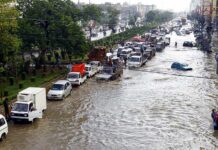

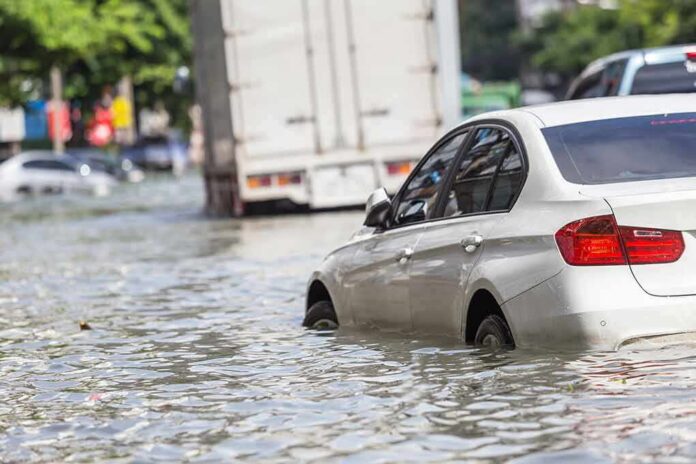
Bangkok declared all 50 districts a disaster zone after nearly 300 millimeters of rain flooded roads, canals, and homes.
Story Highlights
- Bangkok’s governor activated citywide disaster powers after days of torrential rain.
- Major roads were submerged and residents were urged to stay off flooded streets.
- Officials cited canal levels and drainage strain as key risks across the capital.
- Early counts show large household impacts and targeted evacuations in low-lying areas.
Bangkok Activates Citywide Disaster Declaration
Bangkok Governor Chadchart Sittipunt declared the capital a disaster-affected zone on Saturday after relentless rain swamped the city. Officials reported widespread flooding on major roads, with vehicles partly underwater and traffic crippled. The city’s move unlocked faster emergency steps and coordination across the capital’s 50 districts. Weather forecasters warned that thunderstorms could linger into the weekend, which raised concern that water levels might remain high in vulnerable neighborhoods.
The Bangkok Metropolitan Administration expanded the designation across all districts as reports showed water covering critical arteries and side streets. The order enabled emergency crews to reroute traffic, open shelters, and deploy pumps more quickly. Local updates urged people to avoid flooded zones and allow responders to work. Images from across the city showed neighborhoods wading through deep water as drainage struggled to keep up with the storm’s pace.
Drainage, Canals, and Rising Water Levels
Officials said the city’s canal network and drainage system faced severe stress after the downpour. Thailand’s Department of Disaster Prevention and Mitigation warned that canal levels around Bangkok were at critical marks and could continue rising. That risk threatened homes built along waterways and low-lying streets that usually flood first. Emergency managers placed assets near choke points and moved pumps to priority areas to push water toward main channels more quickly.
Rain totals reported by city officials approached 300 millimeters in roughly 48 hours, overwhelming normal runoff routes and filling major canals. That amount equals a typical month’s rain packed into two days. The result was predictable: gridlock, stalled cars, and water backing up into neighborhoods far from the river. The governor said the declaration would keep crews focused on drainage, road clearing, and protection of public facilities while storms lingered.
Household Impact and Targeted Evacuations
Early reports from city agencies showed hundreds of thousands of households felt the effects of the weekend flooding, from power issues to blocked access and water damage. Officials said evacuations remained targeted to the hardest hit spots, where shelters, food, and medical aid were in place. These figures tend to shift as crews survey more areas, but the scope already showed a capital-wide disruption that closed streets and slowed essential services in several districts.
Severe flooding has struck Thailand’s two major cities, with fast-moving water sweeping through Pattaya while prolonged rainfall overwhelms Bangkok’s canals and drainage systems.Floodwater reached around one metre in parts of Pattaya and approximately 1.5 metres near homes in… pic.twitter.com/7osQIdYRpn
— Taj Pharmaceuticals—Official (@taj_pharma) September 29, 2026
Authorities signaled that priorities now include lowering canal levels, reopening key corridors, and preventing fresh overflow if more storms arrive. The disaster status gives managers extra flexibility to direct funds, hire gear, and coordinate with national ministries. That can save time when each hour of pumping matters. Residents were asked to follow city alerts, move cars and valuables to higher ground, and report hazards so teams can target help where it will do the most good.
Why This Matters to American Readers
This flood shows how fast a major city can get swamped when infrastructure meets extreme weather. For Americans, the lesson is simple: plan, harden key systems, and cut red tape so crews can act fast. President Trump’s team has pushed U.S. agencies to clear bottlenecks and speed up projects that protect roads, power, and water. Bangkok’s challenge underlines why strong local control, quick relief, and smart spending beat sprawling bureaucracy when minutes matter.
What Comes Next in Bangkok
City leaders said water levels had started to stabilize in some zones as pumping increased and rains eased in periods. Crews will keep moving water out of neighborhoods, clearing debris, and checking embankments. Officials will update impact numbers as access improves and inspections continue. Residents should expect rolling closures while the city works to reopen major routes. Weather services remain on alert for more rain cells that could slow the drainage gains made so far.
Sources:
youtube.com, abc.net.au, th.usembassy.gov, thestar.com.my, dw.com, thenationalnews.com